NeuroThrive Review and Ads Breakdown: A Research-First Look
The video opens on a Pacific island where elderly residents drink heavily, skip the brain puzzles, and somehow remember their wedding days in cinematic detail. It is a deliberately disorienting image, and that disorientation is the entire point. Before a single product claim has…
8,226+
Videos & Ads
+50-100
Fresh Daily
$29.90
Per Month
Full Access
12.5 TB database · 72+ niches · 29 min read
The video opens on a Pacific island where elderly residents drink heavily, skip the brain puzzles, and somehow remember their wedding days in cinematic detail. It is a deliberately disorienting image, and that disorientation is the entire point. Before a single product claim has been made, the viewer has been pulled out of their existing mental model of aging and memory, forced to ask a question they did not arrive with: why would those seniors be cognitively sharper? The answer, the narrator promises, will arrive in a matter of minutes, and it involves a "bizarre breakfast" that modern medicine has somehow overlooked. This is not accidental storytelling. It is a precisely engineered opening designed to arrest the attention of a specific person, someone in their 60s or 70s who has already tried the crosswords, cut back on alcohol, and paid for more than a few doctor visits, yet still watches their recall erode.
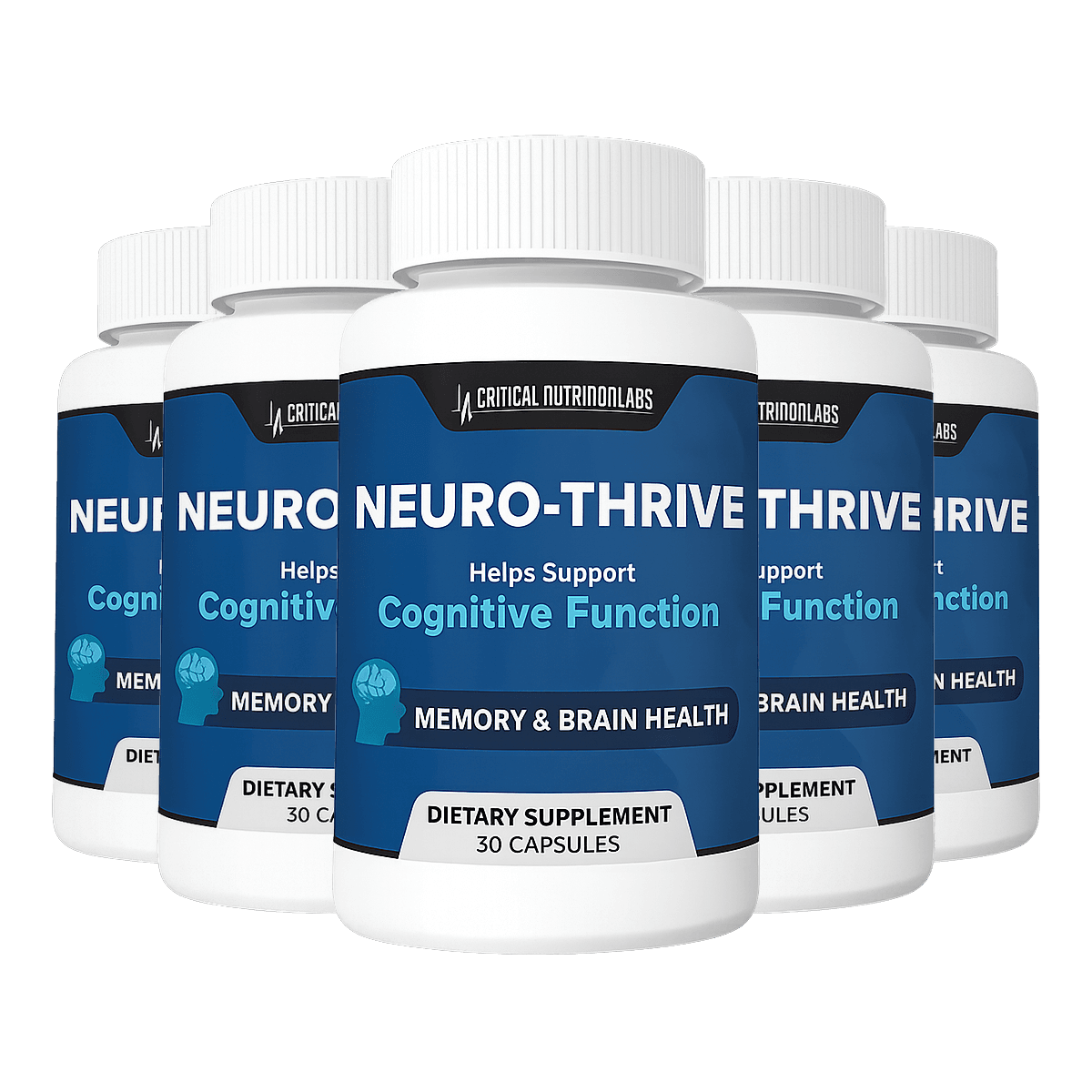
The product being sold is NeuroThrive, a seven-ingredient vegetarian capsule positioned as the only memory supplement that actively regrows mitochondria in the brain rather than merely supporting them. The distinction matters to the pitch, if not always to the science. Marketed by Chris Wilson, a self-described certified brain health trainer with a large YouTube presence, NeuroThrive sits in one of the most crowded and legally scrutinized categories in the direct-response supplement industry: cognitive health for aging adults. The VSL (video sales letter) that introduces it is a sophisticated piece of long-form persuasion, part narrative documentary, part scientific briefing, part emotional intervention, and it rewards close reading precisely because it does so many things simultaneously and does most of them well.
This analysis examines NeuroThrive from two angles: what the product actually contains and what independent research says about those ingredients, and how the VSL is architecturally constructed to convert a skeptical, pain-aware audience into buyers. These two questions are not independent. The way a supplement is sold tells you something real about who it is designed for, what fears and hopes it is calibrated to address, and whether the science supporting it is being represented accurately or strategically. Readers who are actively researching NeuroThrive before purchasing, or who are curious about why these kinds of ads are so effective, will find both threads useful.
The central question this piece investigates is straightforward: does NeuroThrive's marketing make honest use of legitimate science, and does the product's formulation hold up to scrutiny when the emotional machinery of the pitch is set aside?
What Is NeuroThrive?
NeuroThrive is an oral dietary supplement sold in vegetarian capsule form, with 30 capsules per bottle and a recommended dose of one capsule daily, though the VSL introduces a "loading method" of two capsules per day for faster results. The product is manufactured in an FDA-registered, GMP-certified facility in Ohio, a credential the VSL mentions to signal quality control and domestic production. It is sold exclusively through the brand's own website, bypassing retail or marketplace channels like Amazon, a distribution choice the narrator frames as cost-saving but which also serves to control the information environment around the product.
The supplement is designed for adults experiencing age-related cognitive decline, specifically those noticing memory lapses, reduced focus, mental fatigue, or the social embarrassment of forgotten names and repeated stories. It positions itself at the premium end of the memory supplement market, not as an everyday multivitamin, but as a targeted therapeutic formulation built around a single featured compound: PQQ (pyrroloquinoline quinone), an antioxidant naturally concentrated in fermented natto, the traditional Japanese soybean dish. The remaining six ingredients, Bacopa Monnieri, Alpha-GPC, GABA, Vitamin D3, Vitamin B3, and Vitamin B6, are framed as amplifiers and synergists that make PQQ's mechanism more effective rather than independent active agents.
In market terms, NeuroThrive occupies a well-established but fiercely competitive category. The global brain health supplement market was valued at approximately $7.6 billion in 2022 and is projected to grow at a compound annual rate above 8% through 2030, according to Grand View Research. Within that market, products targeting the 60-plus demographic represent a disproportionate share of direct-response spending, because this audience combines high pain awareness, disposable income, and a willingness to act on health information consumed through video. NeuroThrive's VSL is engineered to capture that specific audience at the precise moment of maximum anxiety about cognitive decline.
The Problem It Targets
Dementia and age-related cognitive decline represent one of the most consequential public health challenges of the current era. According to the World Health Organization, approximately 55 million people worldwide live with dementia, with nearly 10 million new cases diagnosed annually. In the United States, the Alzheimer's Association estimates that more than 6.7 million Americans aged 65 and older are living with Alzheimer's disease alone, a figure projected to reach 13.8 million by 2060 absent medical breakthroughs. These are not manufactured fears. The epidemiology is real, the economic burden is staggering, and the emotional weight on families, the Tom-and-Lori scenario the VSL dramatizes, is well-documented in the clinical literature on caregiver burden.
The VSL frames this problem with considerable sophistication. Rather than opening with statistics, it opens with contrast: a population that defies the expected pattern. Okinawa, Japan, genuinely does have exceptional longevity data. Research published in The Journals of Gerontology and cited repeatedly in the Blue Zones literature confirms that Okinawa historically had some of the world's highest concentrations of centenarians and notably lower rates of cardiovascular disease and certain cancers. The dementia picture is more complex, the VSL's claim of "one-third the dementia rate compared to the USA" reflects epidemiological observations from earlier decades, and more recent data suggests that as Okinawans have adopted Western diets, these advantages have narrowed. The VSL presents the historical advantage as a stable, current fact, which is a selective reading of the evidence.
The commercial opportunity this problem represents is precisely why so many supplements compete in the space: fear of cognitive decline is one of the most motivating forces in consumer health behavior. A 2019 survey by the AARP found that brain health ranked as the top health concern among Americans over 50, ahead of heart disease and cancer. The VSL does not manufacture this anxiety, it finds it already present in its audience and amplifies it through narrative, diagnostic interactivity (the WORLD spelling test), and vivid worst-case imagery. Understanding that the fear is real and legitimate is essential to evaluating the product honestly: the emotional register of the pitch is appropriate to the genuine gravity of the condition, even when specific claims shade toward exaggeration.
The "one-word test", spelling WORLD backward and then alphabetically, is presented as a clinical dementia screening tool with 95% predictive accuracy. The test does have a basis in neuropsychological assessment; variants appear in the Montreal Cognitive Assessment (MoCA) and the Mini-Mental State Examination (MMSE), both validated screening instruments. However, the VSL's framing, that failing any part of the test means "your mitochondria may be dying" and you have a "95% chance of suffering from dementia", is a dramatic overstatement of what these screening tools actually measure and predict. They identify possible cognitive impairment warranting clinical follow-up, not a near-certain dementia diagnosis.
How NeuroThrive Works
The mechanistic claim at the center of NeuroThrive's pitch is built on real neuroscience, extrapolated further than the evidence cleanly supports. The core argument runs as follows: mitochondria in brain cells produce energy but also generate toxic reactive oxygen species (ROS) as a byproduct; ROS accumulate with age and from environmental toxins; damaged mitochondria trigger neuronal apoptosis (cell death); the hippocampus, the brain region most critical for memory consolidation, shrinks as neurons die; and this shrinkage explains the memory loss associated with aging. This chain of reasoning is scientifically grounded at each individual link. Mitochondrial dysfunction is a genuine and active area of neurodegeneration research, and the role of oxidative stress in hippocampal volume reduction is supported by peer-reviewed literature, including work published in Nature Neuroscience and Cell Metabolism.
Where the VSL's mechanism claim becomes speculative is in the leap from "PQQ supports mitochondrial health" to "PQQ regrows youthful mitochondria, reversing memory loss." PQQ is a real compound with a real body of research. It is a redox cofactor found in high concentrations in natto, and several peer-reviewed studies, including work published in the Journal of Nutritional Biochemistry, have documented its role in stimulating mitochondrial biogenesis (the creation of new mitochondria) in cell and animal models. The 60.2% increase in mitochondrial quantity cited in the VSL appears to reference a study by Chowanadisai et al. published in the Journal of Biological Chemistry (2010), which found PQQ supplementation influenced mitochondrial biogenesis markers in human subjects. That is a legitimate finding. However, the clinical translation, that taking PQQ as a supplement will meaningfully reverse hippocampal shrinkage and restore memory in people with age-related cognitive decline, remains to be demonstrated in large, well-controlled human trials.
The distinction between "biologically plausible" and "clinically proven" is one the VSL deliberately blurs. When the narrator says NeuroThrive "regrows youthful mitochondria" and invokes Harvard Medical School in the same paragraph, the audience is likely to interpret the Harvard reference as endorsing that specific claim, when in reality the Harvard research cited appears to be about the general neuroscience of hippocampal aging rather than PQQ supplementation specifically. This is a technique known in media studies as borrowed authority, associating a product claim with an institution's credibility without that institution having evaluated or endorsed the claim. It is common in supplement marketing and technically avoids direct fabrication while creating a misleading impression.
The supporting ingredients each have legitimate research profiles, though again the VSL presents the most favorable findings without discussing limitations. Bacopa Monnieri has the strongest independent evidence base of the seven ingredients: multiple randomized controlled trials, including a meta-analysis published in the Journal of Ethnopharmacology (2014), support its role in improving memory acquisition and retention in healthy older adults, though effect sizes are modest and onset is slow, consistent with the VSL's 12-week timeframe claim. Alpha-GPC's link to acetylcholine synthesis is well-established biochemistry, and its cognitive benefits in patients with Alzheimer's disease have been studied in European clinical trials. GABA's cognitive effects are more contested; while the VSL cites Japanese research on GABA and IGF-1, the blood-brain barrier permeability of orally ingested GABA remains a debated question in pharmacology.
Curious how other VSLs in this niche structure their pitch? Keep reading, the section below breaks down the psychology behind every claim above.
Key Ingredients and Components
NeuroThrive's formulation draws on a mix of well-researched nootropic compounds and standard brain-health vitamins. The VSL presents them as uniquely synergistic, though each ingredient is also independently available as a commodity supplement. What follows is an assessment of each component against the available independent literature.
PQQ (Pyrroloquinoline Quinone): A redox-active cofactor found abundantly in natto and kiwi fruit. The VSL claims it eliminates ROS toxins and signals mitochondrial biogenesis. The Chowanadisai et al. study (Journal of Biological Chemistry, 2010) provides credible mechanistic evidence for mitochondrial biogenesis effects. A small human trial published in Food and Chemical Toxicology (Nakano et al., 2012) found PQQ supplementation improved self-reported measures of fatigue and sleep quality. Large-scale human RCTs specifically targeting memory restoration remain limited.
Bacopa Monnieri (50% bacosides): An Ayurvedic herb with one of the stronger evidence bases in the nootropic category. A 2014 meta-analysis in the Journal of Ethnopharmacology (Kongkeaw et al.) reviewed nine randomized controlled trials and concluded Bacopa significantly improved cognition, particularly speed of attention. The standardization to 50% bacosides is a meaningful quality signal, lower standardizations reduce dose consistency. The HealthGOT Research Institute study cited in the VSL for the 400% memory improvement figure is not traceable to a publicly indexed peer-reviewed journal, which warrants caution.
Alpha-GPC: A choline-containing compound that crosses the blood-brain barrier and raises acetylcholine levels. Low acetylcholine is genuinely implicated in Alzheimer's pathology. A multi-center Italian trial (Clinica Terapeutica, 1994) found Alpha-GPC improved cognitive function in patients with Alzheimer's-type dementia over six months. The MIT research on choline and verbal memory, referenced in the VSL, appears consistent with work from the Nutrition and Cognitive Neuroscience laboratory at MIT, though the specific claim should be independently verified.
GABA (Gamma-Aminobutyric Acid): The brain's primary inhibitory neurotransmitter. Its role in promoting calm and sleep quality is well-established. The VSL's claim that oral GABA enhances memory via IGF-1 is based on Japanese research (Nakamura et al., 2009, Bioscience, Biotechnology, and Biochemistry), which is real but limited in scope. Whether orally consumed GABA reaches the brain in meaningful concentrations, given the blood-brain barrier, is a legitimate pharmacological question that the VSL does not address.
Vitamin D3: Deficiency in Vitamin D is associated with cognitive decline in multiple epidemiological studies, including a large analysis published in JAMA Neurology (2014). The VSL's claim that D3 slows memory loss and cognitive function is a reasonable reading of the epidemiological literature, though supplementation trials in cognitively normal adults have shown mixed results.
Vitamin B3 (Niacin) and Vitamin B6: Elevated homocysteine, the biomarker both B vitamins help lower, is robustly associated with increased risk of cognitive decline and dementia in large population studies, including the Framingham Heart Study. B-vitamin supplementation to lower homocysteine is a credible and widely recommended strategy, though whether it translates to meaningful dementia prevention remains debated.
Hooks and Ad Angles
The VSL's opening hook, "On a remote island in the Pacific Ocean, a special group of seniors enjoys crystal clear memories as if they're still in their 20s", operates as a pattern interrupt in the classical direct-response sense: it violates the viewer's schema for what a supplement ad should sound like, replacing the expected before-and-after testimonial format with something closer to a National Geographic documentary. The cognitive effect is significant. When a stimulus departs from its predicted category, attention sharpens involuntarily, a mechanism well-documented in surprise-as-information theory (Meyer, Reisenzein, & Schützwohl, 1997). By the time the viewer registers they are watching a sales pitch, they have already absorbed the core premise and emotionally invested in the mystery.
This hook belongs to what Eugene Schwartz would identify as a Stage 4 or Stage 5 market sophistication play. The memory supplement audience has been saturated with direct claims, "improve memory", "boost focus", "support brain health", for decades. A sophisticated buyer in this market no longer responds to those phrases; they trigger skepticism rather than curiosity. The VSL sidesteps this problem entirely by opening with a story about a place rather than a claim about a product. The Okinawa framing does double work: it provides geographic and cultural exoticism (a classic curiosity-gap mechanism), and it pre-frames the mechanism (diet, not pills or puzzles) in a way that separates NeuroThrive from the undifferentiated supplement noise the viewer has learned to dismiss.
The contrarian twist, that these seniors drink heavily yet remember better, is a particularly sharp creative choice. It directly addresses and dismantles the objections a skeptical viewer might already hold ("I've already cut out alcohol and it didn't help"), simultaneously qualifying the audience (people who have tried conventional approaches) and deepening the curiosity gap. This is sophisticated pre-objection handling embedded in the hook itself, rather than reserved for the FAQ section of the pitch.
Secondary hooks observed in the VSL:
- "The one word test to instantly determine if your brain is dying", interactive diagnostic hook designed to create personal stakes
- "Harvard Medical School. Why super-ager brains and young adult brains look the same", authority-curiosity hybrid hook
- "How to regrow tiny power plants in your brain in seven seconds a day", mechanism hook using vivid mechanical metaphor
- "If you exit this page, I'd hate to see your memory fade away", loss-aversion retention hook
- "It's the closest thing to stepping in a time machine", aspirational identity hook targeting the viewer's desire to reclaim a former self
Ad headline variations for Meta or YouTube testing:
- "Okinawan Seniors Drink More, Forget Less. A Harvard Doctor Explains Why."
- "The 7-Second Brain Habit That Keeps Seniors Sharp Into Their 90s"
- "She Forgot Her Husband's Face. This Is What Brought Her Memory Back."
- "Spell WORLD Backward. If You Hesitated, Read This."
- "Why Your Brain Supplements Aren't Working, And What the Science Actually Says"
Psychological Triggers and Persuasion Tactics
The VSL's persuasive architecture is notably layered rather than sequential. Most amateur long-form sales copy front-loads authority, drops in testimonials mid-script, then closes with price. NeuroThrive's VSL stacks its major psychological levers, fear, identity, belonging, authority, and loss aversion, in a continuously escalating compound, so that by the time the price is revealed, the viewer has already made several small internal commitments (agreeing that toxins are the real problem, performing the WORLD test, accepting that Lori's story resonated emotionally) that make the final purchase decision feel like a logical conclusion rather than an external pressure. This architecture is consistent with what Robert Cialdini describes as commitment and consistency: each micro-agreement increases the psychological cost of declining the final offer.
The Tom-and-Lori narrative deserves particular attention as a persuasion instrument. It is not a testimonial in the conventional sense, it is an epiphany bridge (Russell Brunson's term) that takes the viewer through the narrator's emotional journey of failure, breakthrough, and rescue, transferring the emotional resolution of that journey onto the product. The bedroom scene, Lori screaming, not recognizing her own husband, is the narrative's emotional apex, calibrated precisely to trigger the viewer's deepest fear: not merely forgetting a name, but being forgotten by, or becoming a stranger to, one's own identity. This moment converts a health concern into an existential one, which is far more motivating as a purchase driver.
- Pattern interrupt (Cialdini, 2006): The Okinawa opening violates the viewer's expected stimulus pattern for supplement advertising, sharply increasing attention and engagement before any product claim is made.
- Loss aversion (Kahneman & Tversky, 1979): The binary choice close at the VSL's conclusion presents Option 1 as a vivid, personalized loss (forgetting a spouse, ending in a nursing home) versus Option 2 as risk-free gain. Research consistently shows losses are weighted approximately twice as heavily as equivalent gains in human decision-making, the VSL's framing exploits this asymmetry deliberately.
- Social proof with specificity (Cialdini's liking and consensus): Testimonials are not generic; they include full names, specific cities, and granular details ("I read an entire book in just three days"). Specificity increases credibility because vague praise is easy to fabricate and audiences know it.
- Authority stacking (Cialdini's authority principle): Harvard Medical School, MIT, UC Davis, the Journal of Nutrition, and the Journal of Toxicology are invoked within a single four-minute narrative window, creating the impression of an overwhelming scientific consensus behind the product mechanism.
- Cognitive dissonance via self-diagnostic (Festinger, 1957): The WORLD spelling test places the viewer in a moment of potential failure, even slight hesitation is enough to trigger anxiety. Once the viewer has identified themselves as potentially at risk, the product presents itself as the resolution to that cognitive discomfort.
- Endowment effect and sunk-cost framing (Thaler, 1980): The VSL asks viewers to imagine already experiencing the benefits ("one week from now, you could stop feeling like an old codger") before revealing the price, priming the endowment effect, the tendency to value something more once it is mentally "owned."
- False enemy / villain reframe: Pharmaceutical companies and mainstream media are positioned as either complicit in or indifferent to the viewer's suffering, consolidating the viewer's in-group identity as a skeptic of conventional medicine and making NeuroThrive the only trustworthy option. This is a textbook application of Seth Godin's tribes framework: define the enemy clearly so the in-group coheres around the alternative.
Want to see how these tactics compare across 50+ VSLs? That's exactly what Intel Services is built to show you.
Scientific and Authority Signals
The VSL's authority strategy is sophisticated enough to merit careful disaggregation. At the legitimate end of the spectrum, the mechanistic science it invokes is largely real. Mitochondrial dysfunction and its role in neurodegeneration is an active, peer-reviewed research area. The Journal of Biological Chemistry study on PQQ and mitochondrial biogenesis (Chowanadisai et al., 2010) is a real published paper. Bacopa Monnieri's cognitive effects have been studied in multiple randomized controlled trials. The MoCA-adjacent cognitive test deployed as the "one-word dementia test" has genuine clinical precedent. These are not invented citations, they are real findings that the VSL selectively foregrounds.
The authority becomes borrowed rather than legitimate when Harvard Medical School and MIT are invoked without specifying which researchers, which studies, or which specific findings. The phrase "based on Harvard doctors and research published in the Journal of Nutrition" in the VSL's early minutes is structurally designed to imply Harvard endorsement of the Okinawa-PQQ connection, when the Harvard reference likely applies to general research on Okinawan longevity and the Journal of Nutrition reference likely applies to PQQ's antioxidant properties, two separate threads that the VSL rhetorically fuses into a single authoritative-sounding claim. This is not fabrication in the legal sense; it is assembly of real sources in ways that imply a connection the sources themselves do not make.
Dr. Yamashiro is the VSL's most significant authority figure and its most opaque. He is presented as a medical doctor whose office is papered with credentials, whose appearance is notably youthful, and who delivers the core mechanistic explanation in a scene presented as a candid personal consultation. His full name is given as Dr. Yamashiro, but no institution, specialty, publication record, or verifiable professional identity is provided. His function in the narrative is not credentialing in the scientific sense, it is narrative authority, the rhetorical device of delivering expert knowledge through a dramatic scene rather than a citation. This makes the authority emotionally resonant but epistemically unverifiable. Readers should treat Dr. Yamashiro's explanations as consistent with real science in their broad strokes while recognizing they cannot be independently confirmed.
The HealthGOT Research Institute, cited for the Bacopa study claiming 400% greater memory improvement at 12 weeks versus 6 weeks, is the one reference in the VSL that raises the most concern. The institute does not appear in indexed medical databases or on PubMed. A Bacopa study with those parameters, a 400% differential between week-six and week-twelve outcomes, is an extraordinary claim that would represent a landmark finding if published in a credible peer-reviewed journal. Credible independent Bacopa research (Kongkeaw et al., Journal of Ethnopharmacology, 2014) shows meaningful but considerably more modest effects. This citation warrants independent verification before being treated as evidence.
The Offer, Pricing, and Risk Reversal
NeuroThrive's pricing structure is a textbook example of decoy pricing combined with strategic anchoring. The stated retail price of $149 per bottle functions as the anchor, a number high enough to establish the product as premium and to make all subsequent prices feel like significant discounts, but which may not reflect any actual market price at which the product has ever been sold at scale. The video-exclusive price of $69 (single bottle), $59 (three-bottle), and $49 (six-bottle) then produces a cascading discount effect, with each tier feeling progressively more rational. The six-bottle option is framed as "$1.50 a day", a reframing from total outlay ($294) to daily micro-cost that makes the purchase feel trivially small relative to the promised benefit.
The 60-day money-back guarantee is a meaningful risk-reversal mechanism in that it offers a full refund with no stated conditions beyond emailing support. Sixty days is a standard guarantee window in the supplement industry, long enough to be credible but short enough that many buyers who experience modest or ambiguous results will have already rationalized the purchase rather than initiated a return. The VSL's framing, "I doubt that's going to happen", is a confidence signal that also subtly discourages return initiation by associating it with doubt about the product rather than with a consumer's legitimate right. Whether the refund process is frictionless in practice is something only verified customer reviews on third-party platforms can confirm.
The scarcity and urgency framing, limited inventory, 1-3 month restock times, video-exclusive pricing available "today and for a limited time only", follows the standard direct-response playbook. The inventory scarcity claim ("we run out of our current inventory often") is plausible for a supplement with premium sourcing requirements but cannot be independently verified. Its primary function is to compress the decision window and suppress comparison shopping, both of which are rational consumer behaviors the pitch is designed to prevent.
Who This Is For (and Who It Isn't)
The ideal NeuroThrive buyer, based on the VSL's targeting signals, is an American adult between roughly 62 and 78 who has noticed meaningful memory lapses in the past year, forgotten names, misplaced items, lost conversational threads, and who has already tried at least one conventional approach without satisfying results. This person is likely a regular consumer of health content (YouTube, email newsletters, Facebook groups for seniors), financially comfortable enough to spend $49-$69 per month on a supplement, and emotionally motivated less by the hope of improvement than by the fear of continued decline. The Tom-and-Lori narrative specifically targets the spouse or family member of a declining person as much as the declining person themselves, caregivers experiencing grief and guilt are a highly responsive demographic in this market, and the VSL's most emotionally intense moments are calibrated for that viewer.
This product is likely less well-suited for adults under 55 experiencing normal cognitive variation (tip-of-the-tongue moments, multitasking fatigue) rather than progressive decline. It is also not well-matched to anyone currently under neurological or psychiatric care, given the VSL's almost complete silence on drug interactions, it claims the formula "doesn't have any stimulants that could interfere with medication" while ignoring that Alpha-GPC and Bacopa have known interactions with anticholinergic drugs and sedatives respectively. Anyone taking prescription medications for cognitive, cardiovascular, or psychiatric conditions should consult a physician before adding any of these compounds.
For the reader who is simply looking for a well-formulated nootropic stack and is not in the grip of active memory decline, several of NeuroThrive's individual ingredients, particularly Bacopa Monnieri and Alpha-GPC, are available in standalone, third-party-tested forms at lower per-dose cost. The value of the combined formulation lies partly in convenience and partly in the specific PQQ sourcing, which is genuinely difficult to find at comparable standardization in retail channels.
If you're weighing this product against similar options, the Intel Services library includes breakdowns of competing VSLs in the cognitive health space, useful context for any comparison.
Frequently Asked Questions
Q: Is NeuroThrive a scam?
A: NeuroThrive is a real product manufactured in a GMP-certified facility with a documented ingredient list. Its marketing makes several claims that exceed what the current clinical evidence cleanly supports, particularly around mitochondria "regrowth" as a memory restoration mechanism, but the core ingredients (PQQ, Bacopa, Alpha-GPC) have legitimate research profiles. The product is not a fabrication, though buyers should calibrate their expectations to the actual evidence rather than the VSL's most dramatic promises. The 60-day refund guarantee provides meaningful recourse if results are unsatisfactory.
Q: Does NeuroThrive really work for memory loss?
A: The honest answer is: some people will notice improvement, and some will not. Bacopa Monnieri has the strongest clinical evidence base of the ingredients and has shown measurable memory benefits in multiple randomized controlled trials, though effects are typically modest and onset is slow (8-12 weeks). PQQ's mitochondrial biogenesis effects are documented in cell and animal models with limited large-scale human RCT data. Individuals with early-stage age-related cognitive decline are more likely to notice benefit than those with advanced neurological conditions.
Q: Are there any side effects from taking NeuroThrive?
A: The VSL claims the formula is "100% safe" with no stimulants. Bacopa Monnieri can cause gastrointestinal upset (nausea, cramping, diarrhea) in some users, particularly on an empty stomach. Alpha-GPC has been associated with headaches and dizziness in higher doses. GABA is generally well-tolerated. Vitamin B3 (niacin) can cause flushing at higher doses. None of these effects are severe for most healthy adults, but the blanket "safe" claim without discussion of these known effects is an oversimplification.
Q: Is NeuroThrive safe to take with other medications?
A: The VSL does not adequately address this question. Alpha-GPC may interact with anticholinergic medications (used for overactive bladder, COPD, and certain psychiatric conditions). Bacopa may potentiate the effects of sedatives and thyroid medications. Anyone taking prescription medications, particularly for neurological, cardiovascular, or psychiatric conditions, should consult a physician or pharmacist before starting NeuroThrive.
Q: What is PQQ and does it actually regrow mitochondria?
A: PQQ (pyrroloquinoline quinone) is a redox-active compound found naturally in fermented foods like natto and in trace amounts in human breast milk. Research, including a study by Chowanadisai et al. published in the Journal of Biological Chemistry (2010), documents its ability to stimulate mitochondrial biogenesis markers in human subjects. Whether this translates to meaningful brain mitochondria regeneration and clinically significant memory improvement in aging adults has not been confirmed in large-scale randomized controlled trials. The mechanism is plausible and worth investigating further; the clinical outcome claim is currently ahead of the evidence.
Q: How long does it take to see results from NeuroThrive?
A: The VSL cites research (attribution unclear) suggesting Bacopa's effects continue improving through 12 weeks, with substantially greater gains at week 12 than week 6. Independent Bacopa trials generally show onset of cognitive effects between 4 and 12 weeks of consistent use. The VSL's claim that some users feel a difference "from the very first serving" likely reflects the placebo effect or the mild stimulatory effect of Alpha-GPC and B vitamins, rather than mitochondrial regeneration, which is a slower biological process.
Q: What is the NeuroThrive money-back guarantee?
A: NeuroThrive offers a 60-day full refund, initiated by emailing the company's customer support team. The VSL states no questions will be asked and no strings are attached. Before purchasing, it is advisable to confirm the refund terms on the order page and to retain your order confirmation email, as supplement refund processes vary widely in practice regardless of the stated policy.
Q: Why can't I find NeuroThrive in stores or on Amazon?
A: The VSL states that NeuroThrive is sold exclusively through its own website to avoid middleman markups and maintain pricing control. This is a common direct-response supplement distribution model. It also means that independent third-party reviews, Amazon customer feedback, and retail return policies are not available, which reduces the amount of unfiltered consumer data prospective buyers can access before purchasing.
Final Take
The NeuroThrive VSL is a well-constructed piece of persuasion that operates at a higher level of sophistication than most supplement advertising in its category. Its opening hook sidesteps the attention-resistance that saturated buyers in the cognitive health market have built up against direct claims; its narrative architecture converts a product pitch into an emotionally resonant rescue story; and its scientific framework, centered on mitochondrial biogenesis and PQQ, is genuinely grounded in real research rather than invented from whole cloth. The product itself, viewed separately from the marketing, contains several ingredients with credible independent evidence for cognitive benefit, particularly Bacopa Monnieri and Alpha-GPC. For a person experiencing early-stage age-related memory decline who has not previously tried these compounds, the formulation is reasonable.
The weakest elements of both the VSL and the product are intertwined. The claim that NeuroThrive is "the only formula that regrows youthful mitochondria" is an exclusivity assertion that cannot be substantiated, PQQ is available from other manufacturers, and the mitochondrial biogenesis claim applies to the compound, not uniquely to this product. The HealthGOT Research Institute citation for the 400% Bacopa memory improvement figure is unverifiable and, if fabricated, represents a significant credibility problem that undermines the otherwise legitimate scientific narrative. The borrowed-authority technique, stitching Harvard, MIT, and UC Davis into a single paragraph to imply their endorsement of the specific NeuroThrive mechanism, is a practice that the FTC has increasingly scrutinized in supplement marketing, and sophisticated readers should parse those claims carefully.
What this VSL reveals about its market is, in a sense, more interesting than what it reveals about its product. The memory supplement category is populated by an audience that is genuinely desperate, medically underserved (primary care visits for early cognitive decline are often brief and unsatisfying), and increasingly skeptical of both pharmaceutical solutions and generic supplement claims. NeuroThrive's pitch succeeds in large part because it takes that skepticism seriously, it is anti-pharmaceutical, anti-mainstream-media, and explicitly anti-generic-supplement in its positioning. It builds its authority through scientific specificity rather than celebrity endorsement. This is a response to real shifts in consumer sophistication, and it reflects a marketer who understands their audience with unusual depth.
If you are researching NeuroThrive before purchasing, the most useful thing this analysis can offer is a frame: the ingredients are real, the mechanism is scientifically plausible, the clinical evidence for the specific outcome claimed (memory restoration through mitochondrial regrowth) is less conclusive than the VSL implies, and the 60-day guarantee provides a reasonable risk buffer. Approach it as a supplement worth testing for 90 days if the ingredients align with your specific needs, not as the categorical breakthrough the pitch presents it as. This breakdown is part of Intel Services, our ongoing library of VSL and ad-copy analyses for health, finance, and consumer products. If you're researching similar supplements or want to understand how comparable pitches are built, keep reading.
Disclaimer: This article is for research and educational purposes only. It is not medical, legal, or financial advice, and it is not affiliated with the product or its makers. Always consult a qualified professional before making health or financial decisions.
Comments(0)
No comments yet. Members, start the conversation below.
Related reads
 reviews
Mind Lab Pro Review: Does the 30-Day Study Match v4?
Mind Lab Pro v4 lists exact amounts for 11 ingredients and contains no caffeine or stimulants, according to its official page. A 30-day finished-product study reported favorable memory findings, but its abstract does not identify v4 or disclose the tested form or dose.
Read reviews
Life Extension Two-Per-Day Multivitamin Review: Evidence Limits
Life Extension Two-Per-Day is a 120-capsule multivitamin displayed as a 60-day supply. Its identity and dated prices are verified, but the supplied evidence does not reproduce the complete quantitative Supplement Facts panel or include a trial of the finished product. Research involving another multivitamin cannot prove that these capsules improve memory or deliver Life Extension’s broader health-support claims.
Read reviews
Ritual Essential for Women 50+ Review: Label, Study Fit, and Verdict
Ritual Essential for Women 50+ is an iron-free capsule multivitamin positioned by Ritual for women after menopause. Its verified label lists 100 micrograms of vitamin K2 as menaquinone-7. The supplied study did not test this finished product, and the packet provides no exact price.
Read