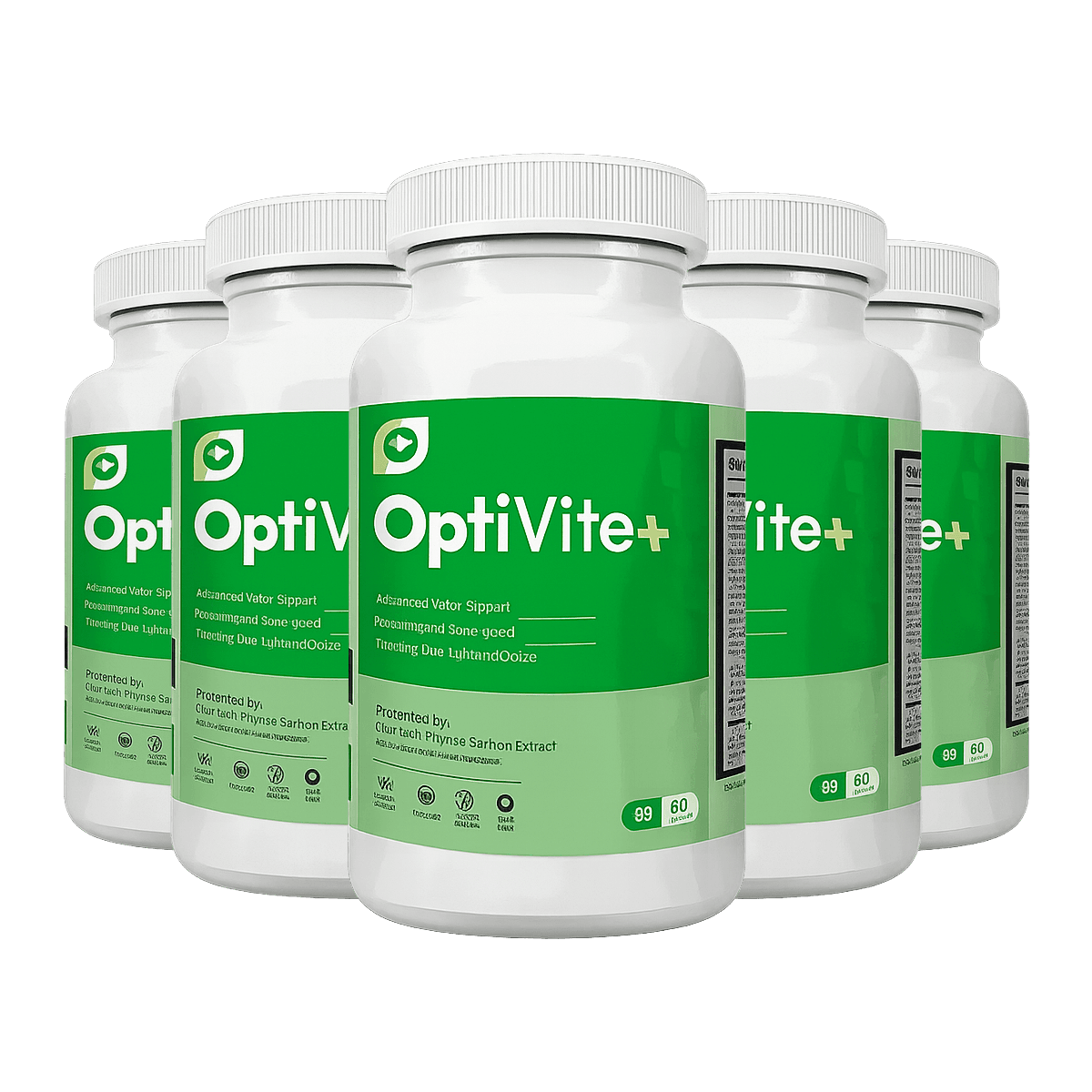
OptiVite+ Guide Against Sugar Review: What the Sales Pitch Really Says
Somewhere in the crowded middle of the internet health market, between celebrity-endorsed supplements and viral TikTok cures, sits a short but carefully constructed video pitch for OptiVite+'s digital product, the Guide Against Sugar. The video opens not with a product claim but…
8,226+
Videos & Ads
+50-100
Fresh Daily
$29.90
Per Month
Full Access
12.5 TB database · 72+ niches · 24 min read
Somewhere in the crowded middle of the internet health market, between celebrity-endorsed supplements and viral TikTok cures, sits a short but carefully constructed video pitch for OptiVite+'s digital product, the Guide Against Sugar. The video opens not with a product claim but with a category of claims the presenter is about to demolish: herbal teas for diabetes. It is a disarming move, and it works precisely because the audience it targets has almost certainly tried at least one of those teas. Passion fruit leaf tea. Cinnamon tea. The so-called "insulin tea from China." The presenter, Tom Bueno, names them all, not to sell them, but to carefully disqualify them, before pivoting to the product he actually wants to sell. That rhetorical structure, so quiet it barely registers as salesmanship, is worth examining in detail.
This piece is a marketing analysis, not a product endorsement. It reads the VSL (Video Sales Letter) for OptiVite+ the way a researcher reads a primary document: looking at what is said, what is implied, what authority is invoked and how, and what the target audience is being asked to believe and to do. If you are researching this product before deciding whether to buy it, or if you work in health marketing and want to understand how this category of pitch is constructed, this breakdown is written for you. The goal is to give you better information than a five-star testimonial page or an anonymous forum post, neither of which will tell you whether the underlying persuasive architecture is sound or manipulative.
The central question this analysis investigates is deceptively simple: does the VSL's marketing approach hold up under scrutiny, and does what is sold match what is promised? The answer, as with most things in the health information market, is more textured than a yes or a no.
What Is OptiVite+?
OptiVite+ is a digital health brand, and the product at the center of this VSL is an eBook titled the Guide Against Sugar (original Portuguese title: Guia Contra o Açúcar). The guide is positioned as a structured, science-informed resource specifically designed for people living with type 2 diabetes who want to reduce their sugar intake and improve dietary habits. It is not a supplement, not a physical product, and not a coaching program, it is a downloadable guide, which places it squarely in the crowded but relatively low-cost-of-entry information product market that has expanded rapidly alongside the growth of direct-response health content on platforms like YouTube and Instagram.
The product's market positioning is defined largely by contrast rather than by positive differentiation. Rather than opening with a list of features or ingredients, the VSL establishes what the product is not: it is not another herbal tea, not a folk remedy, not a magic cure. This negative positioning strategy is common in health information markets where consumer skepticism is high and competing claims are abundant. By distancing itself from the crowded field of unproven natural remedies, the Guide Against Sugar attempts to occupy a credibility niche, the rational, science-backed alternative to wishful thinking.
The stated target user is an adult with type 2 diabetes who has already explored natural remedies, is aware of the debate around alternative treatments, and is ready for something more structured. This is a psychographically specific audience, not just a demographic one, the pitch assumes prior exposure to health misinformation and frames itself as a corrective, which both flatters the audience's intelligence and positions the presenter as a trustworthy guide.
The Problem It Targets
Type 2 diabetes is one of the most commercially significant health conditions in the world, and not by accident, it is also one of the most misunderstood at the patient level. According to the International Diabetes Federation, approximately 537 million adults were living with diabetes globally in 2021, with type 2 accounting for roughly 90 to 95 percent of all cases. In Brazil, where this VSL clearly originates (the product names, the expert citation from the Brazilian Diabetes Society, and the referenced teas are all markers of Brazilian health culture), the Ministry of Health has estimated that more than 16 million adults carry a diabetes diagnosis, with millions more undiagnosed. This is an enormous, anxious, and informationally underserved population, precisely the conditions in which health information products thrive.
The specific pain point the VSL targets is not diabetes itself, but the confusion that surrounds managing it through natural means. The folk medicine tradition of using herbal teas for blood sugar control is deeply embedded in Brazilian popular health culture. Teas like quebra pedra (Phyllanthus niruri), pata de vaca (Bauhinia forficata), and cinnamon have circulated in family knowledge and online communities for decades, often passed between patients who feel underserved by conventional medicine's time constraints and communication gaps. The VSL meets the audience exactly where that frustration lives: it names the teas, validates the desire to try them, and then, gently but firmly, delivers a correction.
That correction is itself based on real science, though stated in broad terms. A 2003 study published in Diabetes Care by Khan et al. did find that cinnamon supplementation reduced fasting blood glucose in people with type 2 diabetes, though subsequent meta-analyses have produced inconsistent results and the clinical significance remains debated. The broader point the VSL makes, that no single herbal intervention constitutes a cure, and that some may carry risks for patients with compromised kidney or liver function, is medically defensible and consistent with guidance from bodies like the American Diabetes Association and Brazil's own Sociedade Brasileira de Diabetes. The problem framing is not fabricated; it is a legitimate and underrepresented gap in patient education.
What makes this commercially interesting is that the problem is emotionally loaded in addition to being medically real. Patients who have been told by a family member or a Facebook group that a certain tea will lower their blood sugar, and who have tried it with hope, experience something close to grief when that hope fails. The VSL does not exploit that grief crudely, it acknowledges it, names the specific teas so the audience feels seen, and then offers a reframe. That empathic sequence is not accidental; it is structural.
How OptiVite+ Works
The Guide Against Sugar is a digital document, so its "mechanism" is not biochemical but pedagogical: it works, in theory, by changing what the reader knows and then what the reader does. The VSL describes the guide as containing "science-backed tips, practical strategies, and easy-to-follow advice" for reducing sugar intake and transforming diet, a description broad enough to encompass nearly any well-researched dietary guide for type 2 diabetes management. Without access to the guide itself, this analysis cannot evaluate the accuracy or depth of its content. What can be evaluated is the logic of the mechanism as presented.
The underlying claim is that sustainable dietary change, specifically reducing sugar, is a more effective long-term strategy for managing type 2 diabetes than relying on any single herbal remedy. This claim is well-supported in the clinical literature. Research published in journals including The Lancet and the New England Journal of Medicine has demonstrated that structured dietary intervention, particularly reductions in refined carbohydrate and added sugar intake, can meaningfully improve glycemic control and in some cases lead to type 2 diabetes remission. The NHS-partnered DiRECT trial (Lean et al., The Lancet, 2018) showed that a structured low-calorie dietary program produced remission in approximately half of participants at one year, a finding that substantially raised the evidence bar for dietary intervention in this condition.
The guide's mechanism is therefore plausible as a category, even if the specific guide's quality cannot be assessed here. The gap between the VSL's claims and what the literature supports is not one of direction, dietary change matters, but of specificity. The VSL makes no claims about the magnitude of benefit, the timeline, or the protocols inside the guide, which is both honest (it avoids overclaiming) and vague (it gives the buyer very little information to evaluate the guide's actual value before purchase). A prospective buyer should understand that they are purchasing an information product whose quality depends entirely on the curation and accuracy of its contents, which the VSL does not preview in meaningful detail.
One important caveat the VSL does include is the instruction to consult a healthcare professional before making changes, a standard but genuinely useful disclaimer that distinguishes this pitch from more reckless health content. That guidance is appropriate and consistent with how legitimate patient education resources typically present themselves.
Curious how other VSLs in this niche structure their pitch? Keep reading, the hooks and psychological architecture sections below break down every move in detail.
Key Ingredients / Components
Because the product is an eBook rather than a supplement, "ingredients" here refers to the content components described in the VSL. The description is deliberately high-level, which limits what can be evaluated. Based on the VSL's language, the guide appears to comprise the following elements:
- Science-backed dietary tips for type 2 diabetes management. The VSL claims the guide is grounded in research rather than folk wisdom, positioning it against the herbal tea tradition it has just debunked. Independent research supports the general approach of dietary modification for glycemic control; whether the guide accurately represents that research depends on the quality of its sourcing, which is not verifiable from the VSL alone.
- Practical strategies for reducing sugar intake. Behavioral strategies for reducing added sugar, such as label reading, meal planning, substitution frameworks, and habit-stacking, are well-documented in nutritional behavior literature. Authors including Brian Wansink (though his work has faced replication scrutiny) and more recently Traci Mann (Secrets from the Eating Lab, 2015) have documented the behavioral architecture of sustainable dietary change.
- Easy-to-follow advice for dietary transformation. The emphasis on simplicity is a deliberate positioning choice. Complexity is a known barrier to dietary adherence, and the promise of accessibility is a meaningful differentiator in a market where clinical nutrition guidance is often technically dense and practically unhelpful for lay audiences.
- Contextualized safety information about natural remedies. The VSL's core reframe, that herbal teas are not cures, and may carry risks, implies the guide includes some treatment of alternative remedies and their evidence base. If accurate, this is a genuinely useful addition, as patients making decisions about herbal supplements alongside prescribed medications need reliable information about potential interactions.
Hooks and Ad Angles
The VSL's opening move is a textbook example of what marketers call a false enemy frame: establish a commonly held belief, position it as the actual obstacle to the audience's goal, and then present the product as the corrective. The main hook, "there's no magic diabetes-killing tea out there", lands in the first thirty seconds and functions as a pattern interrupt (a disruption of expected cognitive flow, as defined in Cialdini's Pre-Suasion, 2016) for an audience that came to the video specifically because it is curious about, or already using, herbal teas for blood sugar management. The phrase "magic diabetes-killing tea" is strategically designed: by naming a belief with a slightly absurd formulation, the presenter nudges the audience to feel that they always knew better, rather than that they are being corrected. This is a subtle but important psychological move, it flatters rather than shames.
The hook also operates at the level of what Eugene Schwartz, in Breakthrough Advertising (1966), described as a Stage 3 to Stage 4 market sophistication transition. At Stage 3, the market has heard many direct claims and has become numb to them; the effective pitch introduces a new mechanism. At Stage 4, even new mechanisms have been oversold, and the effective pitch must position against competitive claims. This VSL is making a Stage 4 move: rather than claiming "our guide works better than tea," it argues that "the entire category of tea-as-cure is wrong", a far more sophisticated rhetorical position that implicitly elevates the product without having to name specific competitors. For a Brazilian audience that has been immersed in herbal remedy culture for generations, this is a well-calibrated choice.
Secondary hooks observed in the VSL:
- "You've probably heard about passion fruit leaf tea, quebra pedra tea, pata de vaca tea..." (familiarity hook, audience recognition of named remedies builds instant relevance)
- "Sounds amazing, right? But here's the deal." (open loop setup, the concession followed by a reversal creates forward momentum)
- "Let's get real." (authenticity signal, positions the presenter as someone willing to say what others won't)
- "Managing diabetes is about more than just teas." (scope expansion, reframes the problem as larger than the audience may have understood)
Ad headline variations for Meta or YouTube media buyers:
- "You've been drinking diabetes teas for months. Here's what experts actually say."
- "The truth about cinnamon tea and blood sugar that your doctor probably didn't explain"
- "Type 2 diabetes: the one thing herbal teas cannot do for you"
- "Before you brew your next 'insulin tea', read this guide first"
- "Why the most popular diabetes tea advice is medically incomplete"
Psychological Triggers and Persuasion Tactics
The persuasive architecture of this VSL is relatively compact, the transcript is short by industry standards, but it stacks several high-impact mechanisms in a deliberate sequence. The structure follows a logic that Cialdini (Influence, 1984) would recognize: authority is established first (the expert citation), then social proof by implication (the audience's own prior behavior with teas is validated before being corrected), and finally reciprocity is primed (the presenter gives genuinely useful health information for free before asking for a purchase). This is not a spray-and-pray approach; it is a sequenced architecture that mirrors how trust actually builds between strangers.
What makes this VSL structurally notable is that it does not rely on fear-mongering or shame, which are common but increasingly ineffective in a health audience that has grown sophisticated about being manipulated. Instead, it uses what behavioral economist Richard Thaler would describe as a choice architecture intervention: by narrowing the audience's perceived options (teas don't work; medication alone isn't enough; therefore a structured guide is the rational next step), the VSL makes the purchase decision feel like logic rather than emotion. The audience is guided to a conclusion they feel they reached themselves.
- False Enemy / Contrarian Frame, Russell Brunson's Epiphany Bridge concept, The VSL dismantles the herbal tea belief system before the product is introduced, so that the product appears to fill a vacuum the audience now recognizes as real. The intended cognitive effect is a sense of "finally, someone is being honest with me."
- Authority Transfer, Cialdini's Authority principle, Naming Silvia Ramos of the Brazilian Diabetes Society attaches institutional legitimacy to the presenter's claims. The audience does not need to verify the citation; the presence of a named expert from a named institution is sufficient to trigger the authority heuristic.
- Loss Aversion / Risk Priming, Kahneman and Tversky's Prospect Theory, 1979, Warnings about kidney and liver risks from certain teas activate loss aversion, making inaction (continuing to use teas without guidance) feel more costly than the price of the guide.
- Parasocial Relationship Activation, Horton and Wohl, 1956, The opening "Hey everyone, Tom Bueno here" and the phrase "many of you have asked me" simulate a pre-existing relationship, lowering the psychological distance between presenter and buyer.
- Choice Architecture / Option Narrowing, Thaler and Sunstein's Nudge framework, 2008, By eliminating teas as a credible option and declining to recommend any specific alternative natural remedy, the VSL leaves the guide as the only practical next step presented to the viewer.
- Motivational Bundling in the CTA, BJ Fogg's Behavior Model, "Let's do this together, click the button, grab your copy and let's kick sugar to the curb" combines shared identity (together), simplicity (click the button), and vivid emotional imagery (kick sugar to the curb) to reduce friction at the moment of conversion.
- Reciprocity Priming, Cialdini's Reciprocity principle, The free debunking of dangerous misinformation about herbal teas constitutes a genuine informational gift. This creates a mild but real sense of obligation in the audience before the purchase ask arrives.
Want to see how these persuasion tactics compare across other VSLs in the diabetes and blood sugar niche? That's exactly the kind of pattern Intel Services maps across dozens of transcripts.
Scientific and Authority Signals
The VSL deploys authority in two primary ways: through a named expert and through an implied evidence base. The named expert is Silvia Ramos, identified as being from the Brazilian Diabetes Society (Sociedade Brasileira de Diabetes). The citation is used to support the claim that teas are not a cure and should not replace prescribed medications, a position that is genuinely consistent with the Brazilian Diabetes Society's published guidance. Whether Silvia Ramos is a real individual affiliated with that organization and whether she was actually consulted cannot be verified from the VSL transcript alone. The citation functions rhetorically as borrowed authority: the real institution's credibility is attached to the presenter's argument, whether or not the institution would endorse the product being sold. This is a common pattern in health VSLs and should be noted by any prospective buyer.
The implied evidence base, the repeated use of phrases like "science-backed tips" and the general reference to cinnamon tea reducing blood sugar "by a few points", is vague but not fabricated. The cinnamon-blood sugar connection has genuine research support, including the frequently cited 2003 study by Khan et al. in Diabetes Care and subsequent meta-analyses including one by Allen et al. in Annals of Family Medicine (2013). The VSL's characterization of this effect as modest rather than dramatic is actually more accurate than many competing health content pieces, which suggests either careful research or conservative copywriting, both of which are favorable signs. The VSL does not cite a specific study by name or link, which limits the audience's ability to evaluate the evidence, but the broad claims are directionally consistent with the published literature.
What is absent is equally informative. The VSL makes no claim about the guide's authorship credentials beyond the presenter's role in its creation. Tom Bueno is not described as a nutritionist, physician, endocrinologist, or registered dietitian. He is positioned as a content creator who has done his homework, a persona that is honest in its self-description but should prompt a degree of caution in buyers who expect clinical-level expertise. The product is information, not medical treatment, but in a category as medically sensitive as type 2 diabetes management, the distinction between lay health communication and professional guidance matters significantly.
The Offer, Pricing, and Risk Reversal
The VSL presents the offer in deliberately minimal terms. No price is stated. No bonus packages are offered. No money-back guarantee is mentioned. No artificial scarcity or countdown timer appears. This is an unusual choice in the digital health product market, where the standard direct-response playbook typically stacks bonuses, anchors price against a much higher "regular" value, and wraps the purchase in a thirty- or sixty-day guarantee to reduce conversion friction. The absence of these elements either reflects a different conversion strategy, directing viewers to a separate sales page where pricing and guarantee information live, or a relatively early-stage VSL that has not yet been fully optimized for conversion rate.
The only urgency mechanism in the VSL is motivational rather than structural: "It's time to make a change" creates a sense of present-tense importance without invoking any external deadline or limited availability. This is a softer and arguably more honest form of urgency than the countdown timers and "only 3 copies remaining" tactics common in this market. Whether it converts as effectively is an empirical question that would require A/B testing data to answer, but from a trust-building standpoint, the absence of manufactured scarcity is a signal that works in the product's favor for a sophisticated audience.
Prospective buyers should visit the linked sales page to evaluate pricing and guarantee terms before making a decision. The absence of that information from the VSL itself means the full offer cannot be assessed here.
Who This Is For (and Who It Isn't)
The ideal buyer for the Guide Against Sugar is a Brazilian adult, or a Portuguese-speaking reader in a cultural context where the referenced teas are familiar, living with a type 2 diabetes diagnosis who has explored folk remedies without consistent success, feels overwhelmed by conflicting health information, and is looking for a structured but accessible starting point for dietary change. This is someone who may not have the resources or motivation to engage with a registered dietitian regularly but who is motivated enough to seek out health information proactively. The product's digital format and (presumed) accessible price point make it a plausible fit for this profile.
The VSL is less well-suited to buyers who require clinical-level precision, for example, those managing complex comorbidities, those on insulin or multiple diabetes medications where dietary changes need medical coordination, or those who have already made significant dietary changes and are looking for advanced guidance rather than foundational strategies. The guide is framed as a starting point, not a clinical protocol, and buyers with advanced needs should seek guidance from a registered dietitian or endocrinologist rather than an eBook. Similarly, buyers outside the Brazilian or Lusophone health culture may find the tea references and some of the contextual framing less resonant, since the product's cultural positioning is fairly specific.
For the right buyer, someone early in their journey toward better dietary management of type 2 diabetes, looking for credible and actionable information in an accessible format, the product's positioning is reasonable and the VSL's informational content (particularly the debunking of herbal tea myths) is a genuine value add, regardless of whether the guide is ultimately purchased.
If you are researching products in the diabetes management and blood sugar niche, Intel Services has additional breakdowns covering supplement VSLs, behavioral coaching programs, and dietary guides in this category.
Frequently Asked Questions
Q: Is the OptiVite+ Guide Against Sugar a scam?
A: Based on the VSL transcript alone, the product appears to be a legitimate digital guide, not a scam. The health claims made in the VSL are broadly consistent with established science, and no false cure claims are made. However, the guide's actual content cannot be evaluated without access to it, and buyers should verify pricing and guarantee terms on the sales page before purchasing.
Q: Do diabetes teas like cinnamon tea really work?
A: Some evidence exists that cinnamon supplementation may modestly reduce fasting blood glucose in people with type 2 diabetes, a 2003 study in Diabetes Care by Khan et al. showed this effect, but the clinical significance is debated and subsequent meta-analyses have produced inconsistent results. No herbal tea should be considered a primary treatment for type 2 diabetes, and none should replace prescribed medication.
Q: Is it safe to use herbal teas if you have type 2 diabetes?
A: Some herbal teas may be safe as part of a healthy routine, but others, particularly those metabolized by the kidneys or liver, carry risks for people with compromised organ function. Any herbal supplement used alongside prescription diabetes medications should be discussed with a healthcare provider, as interactions are possible.
Q: Are there any side effects of following the Guide Against Sugar diet advice?
A: A dietary guide focused on reducing sugar intake is unlikely to carry significant risks for most adults. However, people using insulin or sulfonylureas should be aware that meaningful reductions in carbohydrate intake can lower blood sugar substantially, potentially causing hypoglycemia if medication doses are not adjusted. Any significant dietary change should be coordinated with a physician or diabetes care team.
Q: Who is Tom Bueno and is he a credible health expert?
A: Tom Bueno appears to be a health content creator rather than a licensed clinician. He is not described in the VSL as a physician, nutritionist, or registered dietitian. His presentation style is that of an informed educator who has consulted experts, which is a legitimate content creator role but is different from professional clinical expertise. Buyers should factor this into their evaluation of the guide's authority.
Q: Can the Guide Against Sugar replace diabetes medication?
A: No, and the VSL explicitly states this. The guide is presented as a complementary resource for dietary management, not a medical treatment. People with type 2 diabetes should never discontinue or adjust prescribed medication without guidance from their healthcare provider.
Q: How does OptiVite+ compare to other diabetes management resources?
A: Without access to the guide's content, a direct comparison is not possible. As a category, digital dietary guides for diabetes management vary enormously in quality. The best ones, such as those produced by the American Diabetes Association or registered dietitians, are grounded in current clinical guidelines. Buyers should look for guides that cite specific research, provide actionable and personalized guidance, and recommend professional consultation for individual medical decisions.
Q: What makes the Guide Against Sugar different from free diabetes information online?
A: The VSL's primary differentiation claim is that the guide is structured, science-backed, and specifically curated for type 2 diabetes management, implying a higher signal-to-noise ratio than general online health content. Whether the guide delivers on that promise is something only the content itself can answer, but the organizational and curation value of a well-structured paid guide can be real even when free information theoretically covers the same territory.
Final Take
The Guide Against Sugar VSL is a well-constructed piece of health content marketing that succeeds in its core goal: it builds trust by giving something away (accurate debunking of a popular myth) before asking for something in return (a purchase). The false enemy frame is executed cleanly, the authority signal is plausible if unverifiable, and the overall tone avoids the fear-mongering and shame-based tactics that characterize the worst of this market segment. For a short VSL with no price anchor, no testimonials, and no guarantee structure, it demonstrates unusual restraint, which is either a sign of marketing maturity or of an early-stage funnel that has not yet been fully built out.
The weakest element is also the most commercially significant: the offer is incomplete. A buyer watching the VSL gets the problem framing and the credibility setup, but essentially nothing about what the guide contains, what it costs, what happens if it doesn't help, or how it compares to freely available resources. In a market where buyer skepticism is high and alternatives are plentiful, leaving those questions unanswered in the VSL itself represents a meaningful conversion gap. The pitch works as a trust-building instrument; it is less effective as a closing argument.
From a product standpoint, the underlying premise, that structured dietary guidance is more effective for managing type 2 diabetes than relying on herbal remedies, is scientifically sound and ethically defensible. The product category (digital dietary guides) is a legitimate and valuable one when the content is accurate and actionable. The VSL does not overclaim, does not fabricate credentials, and does not promise a cure. These are meaningful marks of distinction in a market where those behaviors are far from universal. The product may well be worth the purchase for the right buyer; the VSL simply does not give that buyer enough information to be confident.
The broader implication of this VSL is visible in its structure: the health information market is maturing. Audiences that once responded to "miraculous cure" language now respond to "let me debunk the miracle claims and give you something real instead." That shift in market sophistication, what Schwartz would call the movement from Stage 3 to Stage 4, is visible across the diabetes, weight loss, and cardiovascular health niches, and it rewards content creators who can play the long game of trust-building rather than the short game of hype. OptiVite+ appears to be playing that longer game, whether by design or by instinct.
This breakdown is part of Intel Services, our ongoing library of VSL and ad-copy analyses across the health, wellness, and finance categories. If you are researching similar products in the diabetes management or dietary supplement space, there is more here worth reading.
Disclaimer: This article is for research and educational purposes only. It is not medical, legal, or financial advice, and it is not affiliated with the product or its makers. Always consult a qualified professional before making health or financial decisions.
Comments(0)
No comments yet. Members, start the conversation below.
Related reads
 reviews
Mind Lab Pro Review: Does the 30-Day Study Match v4?
Mind Lab Pro v4 lists exact amounts for 11 ingredients and contains no caffeine or stimulants, according to its official page. A 30-day finished-product study reported favorable memory findings, but its abstract does not identify v4 or disclose the tested form or dose.
Read reviews
Life Extension Two-Per-Day Multivitamin Review: Evidence Limits
Life Extension Two-Per-Day is a 120-capsule multivitamin displayed as a 60-day supply. Its identity and dated prices are verified, but the supplied evidence does not reproduce the complete quantitative Supplement Facts panel or include a trial of the finished product. Research involving another multivitamin cannot prove that these capsules improve memory or deliver Life Extension’s broader health-support claims.
Read reviews
Ritual Essential for Women 50+ Review: Label, Study Fit, and Verdict
Ritual Essential for Women 50+ is an iron-free capsule multivitamin positioned by Ritual for women after menopause. Its verified label lists 100 micrograms of vitamin K2 as menaquinone-7. The supplied study did not test this finished product, and the packet provides no exact price.
Read