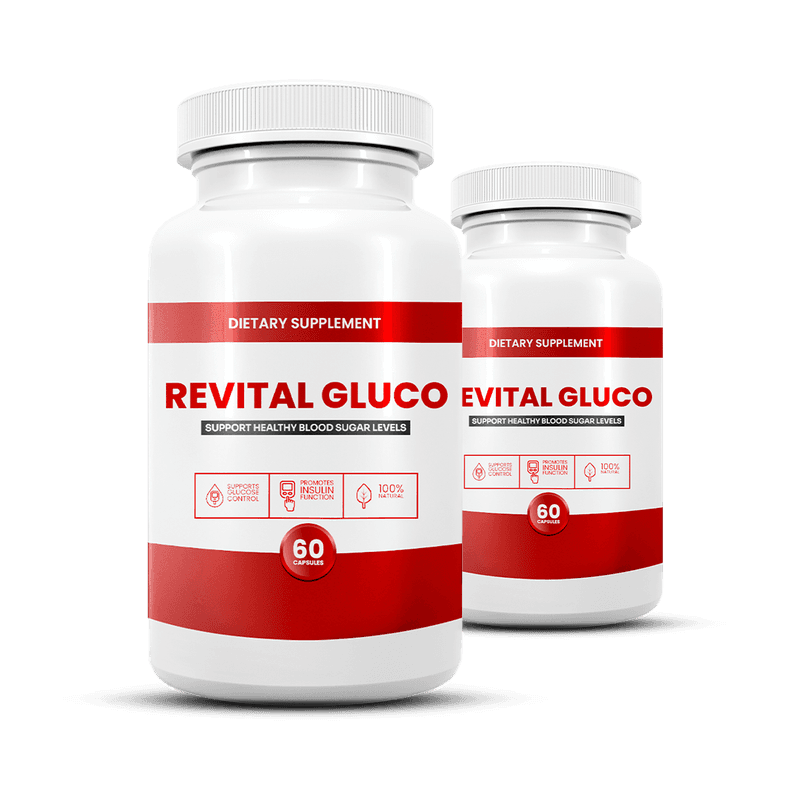
RevitalGluco VSL and Ads Analysis: What the Sales Pitch Really Says
Somewhere in the architecture of a well-constructed health VSL, there is usually a moment where the pitch crosses from aggressive-but-plausible into something more structurally interesting: the point at which the persuasion machinery operates almost entirely independent of the…
8,226+
Videos & Ads
+50-100
Fresh Daily
$29.90
Per Month
Full Access
12.5 TB database · 72+ niches · 28 min read
Introduction
Somewhere in the architecture of a well-constructed health VSL, there is usually a moment where the pitch crosses from aggressive-but-plausible into something more structurally interesting: the point at which the persuasion machinery operates almost entirely independent of the underlying product. The RevitalGluco video sales letter reaches that point early, within the first ninety seconds, and sustains it for the full length of a presentation that borrows the identity of one of the world's most recognized billionaires, invents researchers at Harvard and Yale, and claims to have produced the "scientific discovery of the century" for under ten dollars' worth of ingredients. What makes this VSL worth studying is not that it deceives people (many VSLs do), but how it deceives them: through a layered architecture of fabricated authority, medically plausible-sounding mechanism language, and emotional manipulation timed with unusual precision.
RevitalGluco is presented as a liquid-drop supplement, also called the "green antidote" throughout the script, that allegedly reverses type 2 diabetes permanently by targeting a liver hormone called glucagon. The pitch is delivered by a character who identifies himself as Warren Buffett, CEO of Berkshire Hathaway, and the VSL weaves in interview segments with named researchers from Johns Hopkins, Yale, Harvard, MIT, Oxford, and the University of Coimbra. Whether any of these individuals or studies exist in the forms described is a central question this analysis addresses, because the entire evidentiary architecture of the pitch rests on them.
For a researcher or prospective buyer trying to evaluate this product honestly, the relevant questions are not simply "does glucagon cause blood sugar problems?" (it does, in a real and well-documented way) or "can stem cells play a role in diabetes research?" (they can, at an early experimental stage). The relevant questions are whether this specific product does what it claims, whether the claimed mechanism is coherent, whether the authority figures cited actually exist, and whether the marketing architecture has been designed to help buyers make good decisions or to prevent them from making rational ones. This piece examines all four dimensions in detail.
What Is RevitalGluco?
RevitalGluco, styled variously as RevitalGluco, RevitalGlucol, and "Revital Glucose" across the transcript, is a dietary supplement sold in liquid drop form, packaged in bottles, and marketed specifically to adults with type 2 diabetes. The product is sold in tiered bundles: two bottles (positioned for individuals under 40 kg), three bottles (for those under 65 kg), and a six-bottle "complete treatment" for anyone above 65 kg. The pricing structure descends with bundle size, from $79 per bottle to $49 per bottle, with a 180-day money-back guarantee attached to every tier.
According to the VSL, the product contains three primary active compounds: a proprietary extract from black snake oil containing something called "GLY-Varnet," a compound called "citrullinex" derived from the rind of a Greek watermelon variety, and a nitrate sourced from Icelandic seaweed. A fourth component, a natural analog of tirzepatide, the GLP-1/GIP receptor agonist found in Mounjaro, is also claimed to be present for weight regulation. The product is positioned not as a blood sugar management aid but as a permanent reversal of type 2 diabetes, a claim that distinguishes it categorically from every FDA-approved diabetes treatment currently on the market.
In terms of market positioning, RevitalGluco sits in the high-aggression end of the direct-response supplement category, competing with other "natural diabetes reversal" products that have proliferated on platforms like Facebook, YouTube, and email list ecosystems targeting older Americans with metabolic conditions. The target user, as constructed by the VSL, is a diabetic American aged roughly 50 to 80, overweight, financially strained by medication costs, and emotionally exhausted after years of ineffective conventional treatment, a demographic that is both genuinely underserved by the mainstream healthcare system and, precisely because of that, highly susceptible to the kind of promise RevitalGluco makes.
The Problem It Targets
Type 2 diabetes is one of the most significant chronic disease burdens in the United States, and the scale of the problem is not invented by RevitalGluco's marketing team, it is real, documented, and growing. According to the Centers for Disease Control and Prevention (CDC), more than 38 million Americans have diabetes, with approximately 90-95% of those cases classified as type 2. The condition is disproportionately prevalent among older adults, low-income populations, and communities with limited access to consistent medical care. Annual costs attributable to diagnosed diabetes in the US exceeded $327 billion as of 2022, according to the American Diabetes Association's own economic impact report, a figure that encompasses both direct medical costs and lost productivity.
The VSL capitalizes on a real gap in patient experience: the widespread frustration among type 2 diabetics who feel that conventional treatment manages their condition rather than resolving it. This frustration is clinically documented. Research published in Diabetes Care, the journal of the American Diabetes Association, consistently shows that long-term glycemic control among American adults with type 2 diabetes is poor, with fewer than half of patients achieving A1C targets. The VSL's description of patients following restrictive diets while still seeing uncontrollable blood sugar is not a fabrication, it reflects the genuine complexity of insulin resistance and metabolic dysfunction. That authenticity of description is precisely what makes the subsequent fabrications more dangerous: the listener has already nodded in recognition before the false mechanism is introduced.
The fear-amplification section of the VSL, covering cardiovascular risk, nephropathy, cognitive decline, and pulmonary complications, also draws on real epidemiology, though with significant numerical inflation. The claim that diabetics are "three times more likely" to develop cardiovascular disease is a rough approximation of real findings; the WHO and ADA both note substantially elevated cardiovascular risk in diabetics, though the precise multiplier varies by population and comorbidities. The 50% increased dementia risk figure is in the range of findings published in journals like Diabetologia and The Lancet Diabetes & Endocrinology. The VSL borrows the credibility of genuine medical concern and then attaches to it a mechanism and a solution that have no independent evidentiary basis.
What the VSL frames as a conspiracy, doctors hiding the "true cause" of diabetes, pharmaceutical companies burning research labs, is actually a much more mundane commercial reality: chronic disease management is more profitable than cure, and the healthcare incentive structure does not always reward the most effective long-term interventions. The VSL takes a structural critique that has legitimate intellectual roots and distorts it into a paranoid persecution narrative, because that narrative is more emotionally activating and more commercially useful than a nuanced argument.
Curious how other VSLs in this niche structure their pitch? The psychological triggers section below breaks down every manipulation mechanism deployed in this presentation.
How RevitalGluco Works
The claimed mechanism in the RevitalGluco VSL centers on a genuine area of diabetes biology, the role of glucagon in blood sugar regulation, and then builds an elaborate, internally consistent but scientifically fabricated explanatory framework on top of it. Glucagon is a real hormone, produced by alpha cells in the pancreas (not, as the VSL claims, "produced by the liver", a fundamental anatomical error). Its function is indeed to raise blood glucose by signaling the liver to release stored glycogen. And it is genuinely true that in type 2 diabetes, glucagon dysregulation contributes to hyperglycemia: alpha cell responsiveness to glucose is impaired in type 2 diabetic patients, which means glucagon secretion is not properly suppressed after meals, contributing to post-meal blood sugar spikes. This is an active area of pharmaceutical research and is part of why GLP-1 receptor agonists like semaglutide (Ozempic) suppress glucagon as one of their mechanisms of action.
The VSL's extension of this real biology becomes speculative and then fictional. The claim that GLP-1 receptors become coated in fat, causing them to "go blind" and send false emergency signals to the liver, has no established basis in the peer-reviewed literature as described. GLP-1 receptor function is impaired in obesity and type 2 diabetes, but the mechanism is complex, involving receptor downregulation, altered post-receptor signaling, and changes in incretin secretion, not a physical coating of fat that a snake oil compound can dissolve. The "GLY-Varnet compound" found in black snake oil does not appear in any public scientific database, pharmacological index, or chemistry registry. It is, to the best of available knowledge, an invented name.
The stem cell mechanism is similarly constructed from real-but-misrepresented science. Stem cell research in diabetes is genuine and ongoing: a 2023 study published in Cell by researchers at the University of California, San Francisco demonstrated that implanted stem-cell-derived islet cells could achieve insulin independence in some patients with type 1 diabetes. China did conduct experimental work using mesenchymal stem cells in small cohorts of type 2 diabetic patients, with some positive signals. But the leap from "experimental stem cell implantation in clinical settings" to "four drops of snake oil under your tongue increases your stem cell count by 200% overnight" is not a scientific extrapolation, it is marketing copy that appropriates the emotional valence of legitimate research while bearing no mechanistic relationship to it.
The assessment here must be direct: the biological framework the VSL constructs is internally coherent enough to sound plausible to a non-specialist, but it rests on fabricated compounds, misattributed anatomical functions, and a theoretical chain that breaks down at every link when examined against the published literature. The real glucagon biology is used as a credibility anchor for claims that have no independent verification.
Key Ingredients / Components
The VSL describes the green antidote as a combination of three to four primary compounds, each introduced by a named researcher from a named institution. The formulation framing is designed to communicate scientific rigor, specific compound names, specific institutions, specific studies, while remaining untraceable by any standard scientific search. Below is what the VSL claims and what independent research shows.
Black snake oil (GLY-Varnet compound): Described as the primary ingredient, extracted from a species of black snake, containing a compound called GLY-Varnet that stimulates stem cell production by 200%. Snake oil has a long history in American alternative medicine marketing and has been studied to a limited degree, some snake-derived oils (particularly from Chinese water snakes, Enhydris chinensis) contain omega-3 fatty acids including eicosapentaenoic acid (EPA), as noted in a comparative analysis by Wan and others in the Western Journal of Medicine (1995). However, GLY-Varnet does not appear in any public chemical database, and no peer-reviewed study supports the stem-cell stimulation mechanism as described.
Citrullinex (from Greek yellowish watermelon rind): Described as a vasodilator 70% more effective than Losartan and 10 times more potent than common citrulline. Citrulline is a real amino acid found in watermelon rind that is converted to arginine in the body, contributing to nitric oxide production and modest vasodilation. Research published in the American Journal of Hypertension (Figueroa et al., 2012) does show blood pressure benefits from citrulline supplementation. However, "citrullinex" as a named compound does not exist in the literature, the Greek watermelon variety described is unspecified, and the comparison to Losartan (a prescription ARB medication) is unsupported by any published trial.
Seaweed nitrate (from Icelandic green algae): Described as revitalizing the pancreas, liver, and kidneys, and preventing kidney failure in 99% of cases. Dietary nitrates from green vegetables, including some algae, do have documented cardiovascular benefits, primarily through the nitrate-nitrite-nitric oxide pathway, research by Ahluwalia and colleagues published in Hypertension (2013) supports nitrate supplementation for blood pressure. The claim of 99% kidney failure prevention from this compound, however, has no traceable scientific basis.
Natural GLP-1/tirzepatide analog: Described as replicating the weight-loss effects of Mounjaro (tirzepatide) without side effects. Tirzepatide is a dual GLP-1/GIP receptor agonist requiring specific molecular geometry to bind its receptors; the notion that a naturally occurring plant or animal compound replicates this mechanism without the drug's known side-effect profile is pharmacologically implausible. No natural tirzepatide analog has been identified in the published literature.
Indian aloe vera and black cinnamon: Mentioned early in the VSL as forming a "super insulin." Aloe vera has been examined in small trials for modest blood sugar effects (Yongchaiyudha et al., Phytomedicine, 1996), and cinnamon has been studied for glycemic effects with mixed and generally modest results (Allen et al., Diabetes Care, 2013). Neither constitutes a "super insulin," but both have enough real-world familiarity to function as credibility props at the opening of the presentation.
Hooks and Ad Angles
The VSL opens with what is, by the standards of health direct-response copy, a compact and technically well-constructed hook: "This four-minute tutorial is the last video you need to watch to keep your sugar levels at 94 points forever." Every word is doing deliberate work. "Four-minute tutorial" reduces perceived commitment and reframes a commercial pitch as educational content. "Last video" is a finality claim that simultaneously flatters the viewer (your search is over) and creates an implicit obligation to stay. "94 points forever" is specific enough to be credible and absolute enough to be aspirational, the precision of "94" rather than "normal" or "under 100" functions as what copywriters in the Eugene Schwartz tradition would recognize as a stage-four market sophistication move: the audience has seen "reverse diabetes naturally" a hundred times, so the pitch must offer a new mechanism (the liver hormone) and a new specific outcome (94 points) rather than retreating to category-level claims.
The hook is immediately followed by a pattern interrupt (Cialdini, Influence, 2006): "It seems impossible, but it is already reality." This two-clause structure acknowledges the listener's skepticism before it can form into resistance, then neutralizes it by conceding the point and pivoting to technology as the legitimizing force. The conspiracy-reveal structure that follows, pharmaceutical companies suppressing the cure, people bribed not to speak, labs burned, operates as what Russell Brunson calls an epiphany bridge: the presenter claims to have experienced the same disillusionment the buyer feels, discovered a hidden truth, and is now sharing it at personal risk. The emotional arc moves from frustration (your current situation) to outrage (you were lied to) to hope (there is a real solution) to urgency (this video will be removed).
The secondary hooks observed throughout the VSL include:
- "Your body is becoming a ticking time bomb, and synthetic medications are accelerating the process", fear amplification through body-as-machine metaphor
- "Less than 0.5% of diabetics know this root cause", exclusivity and insider knowledge framing
- "The skeptics are always the first to die", identity threat combined with mortality salience
- "If the button is red, I am very sorry you lost your chance", color-coded artificial scarcity
- "Doctors always cover something up", anti-authority seeding that pre-empts medical counter-advice
For media buyers testing this creative on Meta or YouTube, the most transportable ad angles from this VSL are:
- "Johns Hopkins discovered the real cause of type 2 diabetes, it's not sugar, carbs, or your pancreas"
- "Why Ozempic may be making your diabetes worse (and what to use instead)"
- "A $2 home remedy locked 67,000 Americans' blood sugar at 94 points, here's the recipe"
- "Warren Buffett funded a diabetes study. The results shocked every endocrinologist."
- "The liver hormone your doctor never told you about, and how to shut it down tonight"
Psychological Triggers and Persuasion Tactics
The persuasive architecture of this VSL is not a simple list of tactics deployed in sequence, it is a stacked and interlocked system in which each trigger reinforces the previous one, making it progressively harder for the listener to exit the presentation with their skepticism intact. The overall structure follows an authority-building phase (first third), a mechanism-education phase (middle third), and an urgency-compression phase (final third), with emotional manipulation woven through all three. What is technically sophisticated about the construction is that the fabricated Warren Buffett identity does not merely add credibility, it functions as an authority shield that protects every subsequent claim: if you believe Buffett is presenting, then Johns Hopkins, Harvard, and Yale seem plausible as institutional partners, and the testimonials seem vetted rather than invented.
The tactic of empathy-then-shame escalation deserves particular attention because it is less commonly analyzed than loss aversion or scarcity. The VSL moves repeatedly between genuine-sounding empathy ("I know the mental weight you carry, the judgments you suffer") and overt shame-based pressure ("no one who had the opportunity you are having was as careless as you are being"). This oscillation maps onto what Leon Festinger's theory of cognitive dissonance would predict: the empathy creates a momentary feeling of being understood, which lowers defenses; the shame then exploits those lowered defenses by making inaction feel like personal failure rather than rational caution. The listener who resists buying must now consciously identify with "the careless person", an identity most people will spend money to avoid.
Celebrity identity appropriation (Cialdini's Authority): Warren Buffett's name, title, and personal narrative are used without any real authorization. The figure's stated net worth of "almost $110 million", while large in absolute terms, is orders of magnitude below Buffett's actual wealth (circa $100+ billion), suggesting either a poorly localized script or deliberate obfuscation. The authority is entirely borrowed and entirely fabricated.
Loss aversion and mortality salience (Kahneman & Tversky, Prospect Theory): The VSL specifies vivid worst-case outcomes, leg amputation, cardiac arrest, dementia, lung collapse, at multiple points, always tied to inaction. The framing "leaving this video without RevitalGluco is asking to be the next one" among 300,000 annual diabetes deaths is a textbook loss-aversion trigger that makes the $294 six-bottle purchase feel like insurance against death.
Conspiracy framing as in-group identity (Godin's Tribes): By positioning pharmaceutical companies, the government, and media as a unified enemy, the VSL creates an in-group of "awakened diabetics who know the truth", a powerful identity that makes the purchase feel like an act of rebellion rather than a commercial transaction. People who identify with this in-group are less likely to consult their doctors (framed as corrupt) or research the product independently (framed as pointless, since the internet is controlled).
False social proof (Cialdini's Social Proof): Six testimonials with suspiciously precise numerical outcomes (A1C from 13% to 5%, weight loss of exactly 15 kg, blood sugar dropping from 390 to 95) are distributed throughout the VSL. The specificity is designed to signal authenticity, vague testimonials are associated with scams, so false testimonials are made specific. The aggregate figure of "70,000 to 79,876 Americans" shifts between two values across the script, suggesting the number was not fact-checked even internally.
Artificial scarcity with color-coded urgency (Cialdini's Scarcity): The traffic-light button system is a sophisticated scarcity mechanic because it makes unavailability visible and immediate, rather than hypothetical. The claim that the previous two releases sold out within 24 hours anchors the expectation that hesitation equals loss.
Endowment effect and reciprocity through the guarantee (Thaler; Cialdini): The 180-day no-form guarantee is presented as a selfless gift from Buffett, and is immediately paired with a reciprocal obligation: "I just ask that you be fair with me." This soft language converts a contractual right (a refund) into a moral transaction, reducing the psychological ease of exercising it.
Fear of physician corruption pre-empting consultation: The claim that "your doctor will not prescribe RevitalGluco because I do not make commissions available to doctors" is designed to intercept the most rational action a diabetic viewer could take, talking to their physician, and reframe it as evidence of the conspiracy rather than appropriate medical caution.
Want to see how these tactics compare across 50+ VSLs in the health and wellness niche? That is exactly what Intel Services is built to show you.
Scientific and Authority Signals
The VSL's authority architecture is elaborate enough to merit a systematic inventory. Six named researchers are presented as interview subjects: Jeff Oss (Yale), Yashin Vitaleano (Harvard), Luigi Thuini (University of Coimbra / endocrinologist), Robert (MIT), Steve (Johns Hopkins), and the main presenter who identifies as Warren Buffett. None of these individuals return results in standard academic databases, faculty directories, or PubMed author searches. The institutions named, Johns Hopkins, Yale, Harvard, MIT, Oxford, are real and prestigious, but their use here constitutes what would be classified as borrowed authority: the institutions are referenced in ways that imply endorsement or direct institutional participation without any evidence that the actual universities have conducted or validated the described research.
The studies cited are similarly constructed. A "Johns Hopkins University study from April 2025 analyzing 4,123 diabetics" is presented with enough procedural detail (the sequence of three discarded hypotheses, the specific participant count) to sound like a genuine clinical trial, but no such study appears in any preprint server, clinical trial registry (ClinicalTrials.gov), or published journal. An "Oxford University 2023 trial of 5,000 diabetics" testing snake oil drops is described with a 30-day timeline, weekly progress reports, and an A1C outcome, but again, no traceable record exists. The "Yale University February comparison study" and the "MIT 2024 citrullinex study" follow the same pattern: enough procedural scaffolding to sound real, no public record to verify them against.
The FDA claim deserves special scrutiny. The VSL asserts that RevitalGluco holds "diamond certification from the FDA" and represents "the only compound approved by the FDA to ever receive a score as high." The FDA does not issue "diamond certifications" for supplements, the agency's regulatory framework for dietary supplements under DSHEA (1994) does not involve scoring systems or certification tiers. The FDA approval language is almost certainly fabricated, and using it in connection with a supplement product raises serious questions under FTC and FDA regulations governing health product marketing.
The mentions of Stanley Meyer (inventor of a water-powered car), Mark Smith (Alzheimer's cure), and Gonzalez (alternative cancer treatment) as martyrs killed by suppressive forces are a rhetorical device borrowed from a well-documented tradition of pseudoscientific conspiracy marketing. Meyer was a real figure whose claims were tested and debunked by independent engineers; the others are more obscure but follow the same pattern, real names attached to a narrative of suppression that makes any counter-evidence feel like part of the conspiracy. This is the persuasion equivalent of an unfalsifiable claim.
The Offer, Pricing, and Risk Reversal
The pricing structure of RevitalGluco is built around a classic anchor-and-discount framework, but with unusually aggressive anchoring. The VSL first floats a hypothetical price of $500,000 (the cost of the first 10 treatments), then $2,000, then $1,000, before revealing the actual prices of $79, $69, and $49 per bottle. Each comparison makes the actual price feel like an extraordinary bargain by contrast. The anchor of $179 per bottle (the "original" price before Buffett's personal subsidy of $100) is the operative number, it turns a $294 six-bottle purchase into something that feels like a $726 saving, a framing that follows standard retail anchoring practice but rests on a reference price with no market basis (no competing product at $179 per bottle for this category exists to anchor against).
The bonus structure layers additional perceived value efficiently. The Dexcom G7 continuous glucose monitor, a real product retailing at approximately $300-$400, is offered to the first 30 six-bottle buyers, providing a concrete, nameable, high-value anchor that is likely familiar to the target audience. The first-10-buyers refund drawing converts the purchase into a lottery, introducing a gambling dynamic (something-for-nothing possibility) that further reduces price resistance. The invocation of Microsoft and Bill Gates for the payment page security is a secondary borrowed authority signal designed to neutralize the final checkout hesitation.
The 180-day guarantee is structurally generous, longer than most supplement guarantees, and the "no form required" framing is designed to sound frictionless. In practice, the reciprocal language ("I just ask that you be fair") and the shame framing throughout the VSL are designed to make requesting a refund feel like a moral failure. This is a well-understood pattern in the supplement industry: the guarantee reduces purchase hesitation while psychological conditioning reduces refund rates. Whether the company behind RevitalGluco actually honors the guarantee cannot be assessed from the transcript alone, but the pattern is consistent with operations that use generous guarantees as conversion tools rather than genuine risk-sharing mechanisms.
Who This Is For (and Who It Isn't)
The ideal buyer this VSL has been engineered to reach is a diabetic American, likely between 55 and 80 years old, who has been managing type 2 diabetes for at least several years with conventional medications, has experienced real frustration with the limitations of those medications, carries meaningful emotional shame about their condition, and has a degree of distrust toward the medical establishment, whether from personal experience, cultural background, or media exposure to alternative health content. This person has probably tried at least one other natural diabetes product and been disappointed, which is why the VSL explicitly addresses having "tried everything" and positions RevitalGluco as categorically different from previous scams. The emotional pain points, fear of amputation, financial stress from drug costs, feeling like a burden to family, are real for many in this demographic, and the VSL addresses them with enough specificity to feel personally relevant.
For this buyer, the combination of a famous and trusted name (Buffett), institutional names (Harvard, Yale), a specific biological mechanism (glucagon/GLP-1), and a money-back guarantee creates a risk profile that may feel acceptable, particularly when the alternative (continued conventional treatment with real side effects and imperfect outcomes) is framed as dangerous. The purchase decision, for someone in that emotional state, is not primarily rational, and the VSL is designed with that in mind.
Readers who should approach this product with significant caution, or avoid it entirely, include anyone who is relying on it as a replacement for physician-supervised diabetes management, anyone considering stopping their current medications (Metformin, insulin, GLP-1 agonists) in anticipation of the product working, and anyone whose diabetes is at a stage where glycemic control is medically urgent. The VSL's explicit claim that users "will notice they no longer need their medications" is particularly dangerous medical advice delivered outside of any clinical context. The product's described ingredients, even assuming the real versions of compounds like citrulline and dietary nitrates, have no evidence base for the degree of glycemic effect claimed, and no compound currently known to science can lower A1C from 13% to 5% in 30 days through a sublingual drop mechanism.
If you found this analysis useful, Intel Services publishes ongoing breakdowns of VSLs and ad campaigns across the health, finance, and consumer product niches.
Frequently Asked Questions
Q: Is RevitalGluco a scam?
A: Based on the VSL analysis, RevitalGluco exhibits numerous hallmarks of deceptive marketing: a fabricated celebrity identity (the "Warren Buffett" presenter), non-existent researchers and studies attributed to real universities, invented compound names (GLY-Varnet, citrullinex), and a false FDA "diamond certification." Whether the underlying product contains any real ingredients with modest blood sugar effects cannot be determined from the transcript alone, but the claims made, permanent diabetes reversal in under 24 hours, are not supported by any known science.
Q: What are the ingredients in RevitalGluco?
A: The VSL describes four primary components: black snake oil (containing a compound called "GLY-Varnet"), "citrullinex" from a Greek watermelon rind variety, a nitrate compound from Icelandic seaweed, and a natural GLP-1 analog for weight loss. None of these compound names (GLY-Varnet, citrullinex) appear in public scientific databases. The product also references Indian aloe vera and black cinnamon as earlier components. The actual formulation on any physical product label may differ from what is described in the VSL.
Q: Does RevitalGluco really work for type 2 diabetes?
A: There is no independent peer-reviewed evidence supporting RevitalGluco's claimed outcomes. The studies cited in the VSL, including a Johns Hopkins 2025 trial of 4,123 diabetics and an Oxford 2023 trial of 5,000 patients, do not appear in any public trial registry or published literature. The biological mechanism described (fat coating GLP-1 receptors, dissolved by snake oil) is not an established medical finding. Consumers should consult an endocrinologist before making changes to any diabetes treatment regimen.
Q: Are there side effects from taking RevitalGluco?
A: The VSL claims zero side effects across 70,000+ users, which is an implausible claim for any bioactive supplement. Some of the real-world analogs of described ingredients, citrulline, dietary nitrates, are generally well-tolerated at typical doses but can cause gastrointestinal discomfort and may interact with blood pressure medications. Anyone taking diabetes medications should consult a physician before adding any supplement, as blood sugar-lowering compounds can cause hypoglycemia when combined with insulin or sulfonylureas.
Q: Is it safe to take RevitalGluco with Metformin or Ozempic?
A: The VSL explicitly says users can take RevitalGluco alongside their current medications, but this advice is given without any clinical basis and without knowledge of individual health profiles. Any supplement claiming to lower blood sugar should be introduced under physician supervision when the patient is already on glucose-lowering medications, as the combination could cause dangerous hypoglycemia.
Q: Is Warren Buffett actually behind RevitalGluco?
A: No credible evidence supports this. The real Warren Buffett is the CEO of Berkshire Hathaway with an estimated net worth exceeding $100 billion, the VSL's presenter claims a net worth of "almost $110 million," an inconsistency that alone undermines the identity claim. Berkshire Hathaway has not announced any diabetes supplement venture, and no credible financial or health media has reported any Buffett connection to RevitalGluco. The use of Buffett's name and identity in this context is almost certainly unauthorized.
Q: What is the money-back guarantee for RevitalGluco?
A: The VSL promises a 180-day, 100% money-back guarantee with no forms required. The terms as described are unusually broad. However, the same presentation uses shame-based language ("I just ask that you be fair with me") designed to reduce refund requests. Prospective buyers should verify the actual written refund policy on the purchase page before ordering and retain proof of purchase.
Q: What does the FDA actually say about RevitalGluco?
A: The VSL claims RevitalGluco holds a "diamond certification from the FDA", the highest FDA score ever granted to a compound. The FDA does not issue "diamond certifications" for dietary supplements. Under the Dietary Supplement Health and Education Act of 1994, supplements do not require FDA approval before sale; the FDA's role is primarily post-market enforcement. Any claim of special FDA certification for a supplement should be treated as a red flag.
Final Take
The RevitalGluco VSL is one of the more technically accomplished pieces of deceptive health marketing to circulate in the 2024-2025 diabetes supplement space, not because its claims are unusually sophisticated but because its emotional and structural engineering is unusually precise. The choice to use Warren Buffett as the narrative anchor is not arbitrary: Buffett carries specific associations, folksy midwestern wisdom, proven judgment, selfless philanthropy, and above all, unthreatening familiarity, that are exactly the qualities a pitch targeting older, skeptical Americans needs to borrow. A fabricated Stanford professor would generate different objections than a fabricated national icon. The pharmaceutical conspiracy framing pre-empts the most effective countermeasure (physician consultation), and the color-coded buy button compresses deliberation time to a minimum. Every element is calibrated.
What is perhaps most revealing about this VSL is what it tells us about the market it is targeting. The product exists, and presumably generates revenue, because there is a large, real, and genuinely underserved population of American diabetics who have experienced the limitations of conventional treatment and carry significant emotional weight around their diagnosis. The VSL's description of that emotional reality, shame, fear, exhaustion, financial stress, is its most honest content, and it is the foundation on which everything false is constructed. The mechanism (glucagon dysregulation) borrows from real research. The institutions (Hopkins, Yale, Harvard) are real. The compounds (citrulline, nitrates, snake-derived oils) have some real-world analogs. The dishonesty is systematic and architectural, not random.
From a copywriting craft perspective, the VSL makes one significant structural error: it over-promises with such specificity ("94 points in under 24 hours," "180 days or your money back," "100% of 50 diabetics cured") that any user whose results fall short, which, given the implausibility of the claimed mechanism, will be the overwhelming majority, will immediately recognize the gap between promise and reality. High refund rates and consumer complaint filings tend to follow this pattern. The short-term conversion architecture is sophisticated; the long-term business model is fragile.
For anyone researching this product before purchasing, the summary assessment is straightforward: the authority figures are fabricated, the studies are unverifiable, the compound names do not exist in public science, and the claimed outcomes exceed anything the published literature supports for any dietary supplement. The real biological territory the VSL touches, glucagon dysregulation, GLP-1 receptor function, stem cell research in diabetes, is genuinely interesting science being pursued in legitimate academic settings. That science deserves better than being used as scaffolding for fraudulent marketing. This breakdown is part of Intel Services, our ongoing library of VSL and ad-copy analyses. If you are researching similar products in the diabetes, metabolic health, or supplement space, keep reading.
Disclaimer: This article is for research and educational purposes only. It is not medical, legal, or financial advice, and it is not affiliated with the product or its makers. Always consult a qualified professional before making health or financial decisions.
Source-backed reader context
Additional Reviews & Reported Experiences
These statements were presented in the product's sales transcript. Daily Intel did not independently verify the speakers, purchase status, or reported outcomes, and the statements are not used in Product aggregateRating.
Anonymous former teacher
Date not stated
levels dropped from 340 to 90 in 6 days, maintained below 100 for 6 months
Annie, 65
Date not stated
20 years of diabetes, levels at 6% A1C after using green antidote
Unnamed man, 61
Date not stated
levels dropped from 298 to 90 in 24 hours, metabolic age of 40 confirmed by doctor
Unnamed woman
Date not stated
glucose normal, lost 12 kg, burning in feet/hands disappeared, lost 7 kg in one month
Len, 76
Date not stated
blood sugar dropped from 390 to 95, lost 15 kg, A1C 5.5%, fasting glucose 90 mg/dL in 6 months
Edward, 65
Date not stated
A1C from 13% to 5%, no symptoms, bought for 78-year-old grandmother whose levels stabilized at 90
Comments(0)
No comments yet. Members, start the conversation below.
Related reads
 reviews
Mind Lab Pro Review: Does the 30-Day Study Match v4?
Mind Lab Pro v4 lists exact amounts for 11 ingredients and contains no caffeine or stimulants, according to its official page. A 30-day finished-product study reported favorable memory findings, but its abstract does not identify v4 or disclose the tested form or dose.
Read reviews
Life Extension Two-Per-Day Multivitamin Review: Evidence Limits
Life Extension Two-Per-Day is a 120-capsule multivitamin displayed as a 60-day supply. Its identity and dated prices are verified, but the supplied evidence does not reproduce the complete quantitative Supplement Facts panel or include a trial of the finished product. Research involving another multivitamin cannot prove that these capsules improve memory or deliver Life Extension’s broader health-support claims.
Read reviews
Ritual Essential for Women 50+ Review: Label, Study Fit, and Verdict
Ritual Essential for Women 50+ is an iron-free capsule multivitamin positioned by Ritual for women after menopause. Its verified label lists 100 micrograms of vitamin K2 as menaquinone-7. The supplied study did not test this finished product, and the packet provides no exact price.
Read