SightFlow Review and Ads Breakdown: A Research-First Look
The video begins with a 79-year-old woman named Dolly claiming she was "practically blind" just months ago and is now seeing with "100% clarity", all without surgery or prescription drops. Before the viewer can process that claim, a Gulf War veteran named Robert Miller appears,…
8,226+
Videos & Ads
+50-100
Fresh Daily
$29.90
Per Month
Full Access
12.5 TB database · 72+ niches · 29 min read
The video begins with a 79-year-old woman named Dolly claiming she was "practically blind" just months ago and is now seeing with "100% clarity", all without surgery or prescription drops. Before the viewer can process that claim, a Gulf War veteran named Robert Miller appears, vowing to "spit in the face" of billion-dollar vision companies and expose what he calls "criminal lies" hidden by the LASIK industry. Within the first three minutes, the letter has invoked Harvard, Johns Hopkins, the Bible, NASA, Jeff Bezos, Kobe Bryant, and a Nobel Prize-winning microscope. This density of authority signals is not accidental. It is a carefully engineered sequence designed to overwhelm analytical resistance before a single product claim is made. SightFlow, the oral vision supplement at the center of this campaign, is marketed through one of the most structurally complex Video Sales Letters circulating in the health supplement space today, a letter that deserves scrutiny not because it is uniquely dishonest, but because it is unusually sophisticated in how it builds and layers persuasive momentum.
The VSL runs well past the thirty-minute mark, long enough to take a skeptical viewer through a complete emotional and intellectual arc: fear, identification, discovery, hope, and finally urgency. That architecture is not accidental either. Long-form video sales letters in the health supplement category have evolved considerably since their infomercial ancestors of the 1990s. Today's best-performing examples in this niche fuse emotional storytelling with pseudo-scientific mechanism explanations, religious resonance, and institutional authority borrowing in ways that would have been structurally impossible before high-speed internet video delivery. SightFlow's VSL represents a mature, polished specimen of this form, and studying it closely reveals as much about how persuasion works on aging health consumers as it does about the product itself.
The central question this analysis investigates is a practical one for anyone who has landed on a SightFlow sales page: what is the product actually claiming, how credible is the science underpinning those claims, how should the persuasive architecture of the pitch be read by a research-oriented consumer, and is there a population of buyers for whom this product might deliver genuine benefit? Those four questions structure everything that follows.
What Is SightFlow?
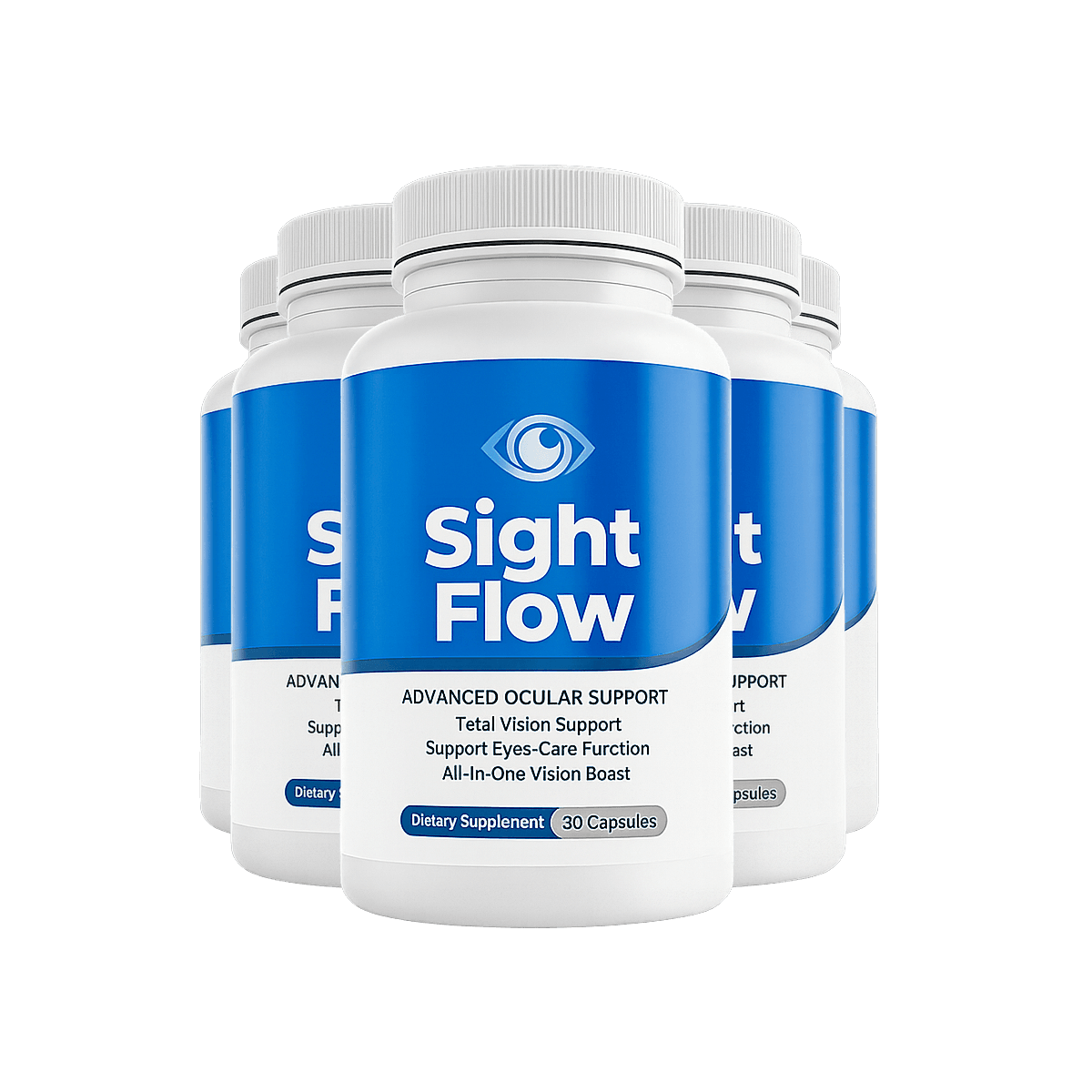
SightFlow is an oral dietary supplement sold in capsule form, marketed primarily to Americans aged 55 and older who are experiencing age-related vision decline, including conditions such as macular degeneration, cataracts, glaucoma, and general blurry or deteriorating sight. The product is positioned in the direct-response health supplement category, sold exclusively through a single online sales page, not through pharmacies, optometrists, or retail stores, and is available in two-, three-, and six-bottle kit configurations. Its manufacturer promotes it as "the only solution with the exact scientifically proven amounts of apigenin to flush out PROX-1", a specific mechanistic claim that distinguishes it from the broader, more generic eye-health supplement category populated by products like AREDS2 formulations.
The formulation centers on a concentrated extract of apigenin, a naturally occurring flavonoid, sourced from what the VSL describes as rare "Canaan honey", honey originating from geographic regions corresponding to the ancient biblical land of Canaan. Around this core ingredient, the formula adds a supporting cast of established vision-health compounds: lutein, meso-zeaxanthin, omega-3 fatty acids, CoQ10, and NAD (nicotinamide adenine dinucleotide). The capsules are delivered via what the VSL calls "advanced micro-encapsulation technology," a delivery mechanism the letter claims produces 278% higher absorption compared to standard supplement capsules. The product is manufactured in a GMP-certified facility in the United States, a baseline quality credential shared by the majority of serious dietary supplements in this market.
The category SightFlow occupies, vision loss supplements with a proprietary mechanism story, is a competitive and rapidly growing space. The American Academy of Ophthalmology estimates that over 37 million Americans currently live with age-related eye disease, a number projected to double by 2050 as the population ages. That demographic reality creates a large, highly motivated buyer pool: older adults who are frightened by vision decline, frustrated by the expense of traditional optical care, and actively searching for alternatives. SightFlow's market positioning is explicitly anti-establishment, it does not try to compete with glasses or LASIK on their own terms, but instead argues those solutions are structurally designed to fail so the industry can perpetuate dependency.
The Problem It Targets
Age-related vision loss is a genuine and widespread public health issue, which gives this VSL's problem framing a foundation of epidemiological reality even when the subsequent science becomes speculative. According to the National Eye Institute (NEI), approximately 12 million Americans aged 40 and older have some form of vision impairment, and age-related macular degeneration (AMD) is the leading cause of severe vision loss in adults over 50. The CDC estimates that AMD affects approximately 1.8 million Americans, with another 7.3 million at substantial risk. Cataracts affect more than half of all Americans by age 80. These are not manufactured anxieties, they are documented, clinically significant conditions that cause real suffering and real loss of independence, making them commercially potent pain points for any product claiming to address them.
The VSL frames the problem not just as a medical condition but as an identity threat and a relational loss. Robert Miller's story about being unable to see his newborn grandson's face in a family photograph is the emotional fulcrum of the entire letter. The scene is constructed with the precision of a short story: the weight of the baby in his arms, the tiny fingers gripping his collar, the son's excited voice describing a Miller jawline, and then nothing but "a peachy blur where his features should be." This is not accident; it is deliberate deployment of what behavioral economists call anticipatory regret, the visceral pain of imagining a future moment of loss that has not yet happened. The letter then scales that individual terror outward: the grandfather who cannot see his grandson today will not be able to watch his first steps, his kindergarten graduation, his little league games. The problem is no longer blurry vision. It is erasure from your own family's story.
The institutional framing of the problem, the claim that the "$147 billion vision industry" deliberately maintains a system of dependency through glasses and LASIK, borrows from a well-established populist health narrative. The assertion that corrective lenses cause progressive worsening ("you never actually improve by using them, you only get worse") is a claim that contradicts the scientific consensus as understood by bodies like the American Academy of Ophthalmology, which has reviewed and rejected the notion that spectacle correction accelerates myopia progression in adults. The VSL never cites a peer-reviewed source for this specific claim. What it does instead is use the truism, that many people's prescriptions do get stronger over time, and reattribute causality from the underlying disease process to the treatment itself, a logical inversion that is emotionally satisfying but scientifically unsupported.
The problem framing is, in other words, strategically bifurcated: the existence of age-related vision loss is real and documentable, while the claimed mechanism of its perpetuation (industry conspiracy, glasses making it worse) is presented without credible sourcing. This bifurcation is a standard feature of high-performing health VSLs, anchoring in genuine pain, then redirecting causal understanding in ways that prime the audience for a novel solution.
Curious how other VSLs in this niche structure their pitch? Keep reading, the section below breaks down the psychology behind every claim above.
How SightFlow Works
The mechanistic explanation SightFlow offers is, by the standards of the supplement category, unusually specific. The letter's central scientific claim is this: a protein called PROX-1 (Prospero Homeobox 1), present only in eye cells, accumulates with age and physically blocks the adult stem cells inside the eye from performing their repair function. As PROX-1 levels rise, the VSL attributes the data to Harvard's Stem Cell Institute, citing increases of 20% in the 30s, 150% in the 40s, 400% in the 50s, and 800% by the 60s, the eye's natural regenerative capacity is progressively shut down. Without active adult stem cells, the cumulative daily damage from UV radiation and blue light accumulates unchecked, producing cataracts, macular degeneration, and glaucoma. The solution, then, is to neutralize PROX-1, which apigenin from Canaan honey purportedly does by acting as a "biological off switch" that drives PROX-1 levels down by up to 78% within 48 hours.
It is worth separating what is real in this mechanism from what is speculative or unverifiable. PROX-1 (Prospero Homeobox 1) is a real transcription factor, a protein that regulates gene expression, and it genuinely is found in lymphatic endothelial cells and some eye structures, including the lens. There is legitimate published research examining PROX-1's role in lens development and in lymphatic biology. The 2014 Nobel Prize in Chemistry for Super Resolution Fluorescence Microscopy is also real and was awarded to Eric Betzig, Stefan Hell, and William Moerner, and the technique has genuinely expanded what researchers can observe at the cellular level. These anchors of verifiable fact are important, they give the mechanism story credibility scaffolding that a more purely invented mechanism would lack.
However, the specific claims the VSL builds on those foundations, that PROX-1 is the singular causal protein behind all age-related vision loss, that Harvard's Stem Cell Institute published the specific age-correlated percentage increases cited, that Tokyo University reversed blindness in mice by blocking PROX-1, and that apigenin from Canaan honey specifically neutralizes this protein, are either unverifiable from public literature, significantly overstated, or presented without accessible sourcing. Apigenin is a real flavonoid with genuine anti-inflammatory and antioxidant properties studied in the context of oxidative stress and cellular health, but the direct PROX-1-neutralizing mechanism described in the VSL at the concentrations claimed remains, based on publicly accessible literature, a speculative extrapolation rather than an established clinical finding. The honest framing is: the biological ingredients are real, the direction of effect is plausible, and the specific mechanism as described is unproven in human trials at the doses and timelines claimed.
Key Ingredients and Components
The SightFlow formulation combines its flagship apigenin extract with a set of supporting compounds that have more robust independent research bases than the mechanism story surrounding them. The formulation's credibility, to the extent it exists, rests more on these secondary ingredients than on the novel PROX-1 narrative.
Apigenin, A naturally occurring flavonoid found in many plants, including chamomile, parsley, and certain honeys. The VSL claims it is present in Canaan honey at concentrations 400% higher than any other honey and that a 500mg daily dose drives a 78% reduction in PROX-1 levels within 48 hours. Apigenin has documented antioxidant, anti-inflammatory, and potential neuroprotective properties in published literature (Salehi et al., Nutrients, 2019), but the specific PROX-1 neutralization claim at the doses and timelines described has not been independently verified in peer-reviewed human studies to the knowledge available at the time of this analysis.
Lutein, A carotenoid antioxidant that accumulates in the macula and lens of the eye, where it filters high-energy blue light and provides antioxidant protection. The AREDS2 study, sponsored by the National Eye Institute and published in JAMA Ophthalmology (2013), found that lutein and zeaxanthin supplementation significantly reduced the risk of advanced AMD progression, making this one of the better-substantiated ingredients in any vision supplement formula.
Meso-zeaxanthin, A carotenoid structurally similar to lutein, found at high concentrations in the central macula. Research from the Macular Pigment Research Group, including work by Nolan et al. (Investigative Ophthalmology & Visual Science, 2016), supports its role in increasing macular pigment optical density, which is associated with reduced AMD risk and improved visual performance.
Omega-3 fatty acids, Long-chain omega-3s (EPA and DHA) have been studied extensively in the context of dry eye syndrome and AMD. The Age-Related Eye Disease Study 2 (AREDS2) did not find omega-3 supplementation alone to significantly reduce AMD progression, but observational data from the NIH and other sources consistently associates higher dietary omega-3 intake with reduced dry eye severity.
CoQ10 (Coenzyme Q10), An endogenous antioxidant involved in mitochondrial energy production that declines with age. Research published in Ophthalmologica (2012) by Feher et al. found that CoQ10 supplementation combined with other antioxidants improved visual function in early AMD patients, suggesting plausible benefit for a vision-focused formula.
NAD (Nicotinamide Adenine Dinucleotide), A coenzyme essential for cellular energy metabolism and DNA repair. Research from Harvard Medical School, notably work by David Sinclair's laboratory, has demonstrated that restoring NAD precursors (NMN, NR) in aging mice extends markers of healthy cellular function. The direct translation of these findings to human vision specifically remains an area of ongoing research rather than established clinical consensus.
Hooks and Ad Angles
The VSL's opening move is a pattern interrupt, the counter-intuitive assertion "most people think vision loss is just part of aging, but that's not true at all" delivered by a 79-year-old woman claiming better eyesight than she had in her twenties. The pattern interrupt works here for a specific structural reason: the target audience has spent years being told by optometrists, family members, and their own daily experience that deteriorating vision is an inevitable feature of aging. A message that directly contradicts that consensus, delivered by a demographic peer rather than a clinician, creates immediate cognitive dissonance, Festinger's dissonance theory would predict that a viewer already suffering from vision loss will feel compelled to resolve the dissonance by staying in the video, because the alternative message ("this is inevitable, nothing helps") is the one they desperately want to be wrong about.
The subsequent hook, "this Canaan honey trick is restoring 20/20 vision in veterans in less than 13 days", operates as what Eugene Schwartz would classify as a Stage 4 or Stage 5 market sophistication move, targeting an audience that has already been exposed to and disappointed by standard vision supplement claims (lutein, zeaxanthin, bilberry, standard AREDS formulations). At this level of audience sophistication, a direct benefit claim no longer moves the market. What moves it is a new mechanism, a specific, named, scientifically-sounding biological process (PROX-1 protein, adult stem cell reactivation) that explains why everything else has failed and why this product works differently. The Canaan honey origin story adds the further dimension of divine sanction, which, for the VSL's explicitly Christian target audience, resolves the common supplement-market objection that something which sounds too good to be true probably is: if God himself pointed the researcher toward the solution, the implausibility of the claim becomes evidence of its divine origin rather than a reason for skepticism.
Secondary hooks observed throughout the VSL:
- "Oxford University's two-minute test predicts blindness with 89% accuracy", authority + fear
- "Hollywood celebrities and billionaires are boarding private jets to secret clinics", status and insider knowledge frame
- "The FDA was forced to grant us their seal of confirmed efficacy", institutional validation + underdog narrative
- "110,000 Americans already rescued from vision loss", social proof at scale
- "The $147 billion vision cartel engineering handcuffs in the form of eyeglasses", conspiracy and righteous anger
Ad headline variations suitable for Meta or YouTube testing:
- "Harvard Optometrist Discovers Biblical Honey That Reverses Vision Loss (New Study)"
- "Stop Buying Stronger Glasses, This 3-Minute Home Fix Is Restoring 20/20 Vision at Any Age"
- "PROX-1: The Hidden Protein Destroying Your Vision (And How to Block It)"
- "My Optometrist Said Nothing Could Help. Then I Found This."
- "The Vision Industry Doesn't Want You to See This, 79-Year-Old Proves Them Wrong"
Psychological Triggers and Persuasion Tactics
The persuasive architecture of this VSL is not parallel, it does not simply deploy multiple tactics simultaneously in the hope that something lands. It is sequential and cumulative: each mechanism conditions the viewer for the next, with the emotional temperature rising through a carefully designed arc from fear to hope to outrage to desire to urgency. Cialdini would recognize the stacking of authority, social proof, liking, and scarcity in their canonical forms. What is more advanced here is the order and the narrative binding tissue: the emotional story of the grandson's photograph binds the viewer's loss aversion to a specific human image, not an abstract health outcome, making every subsequent claim feel personally relevant rather than generically persuasive.
The letter also demonstrates a sophisticated understanding of its audience's prior resistance. These are older Americans who have tried glasses, eye drops, and possibly surgical options. They have been disappointed. Standard supplement marketing fails on this audience because they have either tried supplements or dismissed them as ineffective. The PROX-1 mechanism story is therefore doing important work beyond mere scientific theatre, it functions as a retroactive explanation for all prior failures: glasses don't work because they don't address PROX-1; eye drops don't work because they don't address PROX-1; previous supplements don't work because they don't contain the correct concentration of apigenin to address PROX-1. This is a classic false enemy reframe, the real villain was never your deteriorating vision, it was a specific protein that no treatment except this one targets.
Loss aversion through identity threat (Kahneman & Tversky, Prospect Theory, 1979): The "corrosive photo" metaphor at the close of the letter literalizes vision loss as the destruction of irreplaceable family memories, making the cost of inaction feel far greater than the cost of purchase. The pain of losing a photograph of three generations is weighted far more heavily than the equivalent gain of seeing it clearly, exactly as prospect theory predicts.
Authority stacking and credential telescoping (Cialdini, Influence, 1984): Harvard, Johns Hopkins, Oxford, Yale, the Nobel Prize, NASA, the FDA, and Dr. Sanjay Gupta are cited in rapid succession within the first half of the letter. No single institution or figure is given time for scrutiny before the next one arrives, creating an impressionistic sense of overwhelming institutional consensus.
Epiphany bridge narrative (Russell Brunson, Expert Secrets, 2017): The church scene, Robert sitting inattentively in a pew until the pastor's scripture reading strikes him like lightning, is structurally a classic epiphany bridge: the hero's breakthrough moment that the audience is invited to re-experience vicariously, installing the belief system required to accept the product's mechanism as revealed truth rather than a marketing claim.
In-group identity and tribal values alignment (Godin, Tribes, 2008): The explicit Christian framing, "100% Christian-approved stem cells," the biblical origin story, the contrast with "controversial embryonic stem cells", creates a values-congruent purchase, in which buying SightFlow is not merely a health decision but a statement of religious identity. This eliminates a major objection class (skepticism about stem cell ethics) while simultaneously activating group loyalty.
Fabricated institutional validation (Cialdini's authority principle, applied deceptively): The "FDA's seal of confirmed efficacy" is presented as a distinguished regulatory award beyond standard FDA registration. In reality, the FDA does not award a "seal of confirmed efficacy" to dietary supplements, this is not a standard regulatory designation. The claim appears to describe either a private clinical monitoring arrangement or a marketing construction that borrows the FDA's authority without a corresponding regulatory reality.
Scarcity through believable supply-chain constraint (Cialdini's scarcity; Thaler's endowment effect): The elaborate Canaan honey supply narrative, 22,000 lbs produced globally, 18,000 kept locally, 4,000 lbs available worldwide, only 900 lbs contracted, yielding just 10,000 bottles per six-month batch, is designed to feel investigatively specific rather than rhetorically generated. The precision of the numbers creates the impression of supply-chain research rather than marketing copy.
Reciprocity through offered value (Cialdini's reciprocity principle): The free Dr. Weigel consultation ($600 value), the Yellowstone giveaway, and the Pill Killers digital book are all positioned as gifts extended before the purchase, activating the social obligation to reciprocate, in this case, by clicking "Add to Cart."
Want to see how these tactics compare across 50+ VSLs? That's exactly what Intel Services is built to show you.
Scientific and Authority Signals
The VSL's relationship with scientific authority is layered and requires careful disaggregation into four categories: legitimate, borrowed, ambiguous, and fabricated. Treating it as a monolith, either entirely credible or entirely invented, would miss the sophistication of how the letter actually operates.
Legitimate authority signals include: the 2014 Nobel Prize in Chemistry for Super Resolution Fluorescence Microscopy (real and awarded to Betzig, Hell, and Moerner); the existence of PROX-1 as a real transcription factor studied in eye development and lymphatic biology; the documented efficacy of lutein and meso-zeaxanthin in AMD prevention from the AREDS2 trial (JAMA Ophthalmology, 2013); and the genuine scientific literature on apigenin's antioxidant and anti-inflammatory properties, including peer-reviewed work in Nutrients (Salehi et al., 2019).
Borrowed authority, real institutions cited in ways that imply endorsements they did not give, is extensive throughout the letter. Harvard's Stem Cell Institute is cited for specific percentage charts of PROX-1 increases with age. Johns Hopkins researchers are credited with the PROX-1 discovery using Nobel Prize microscopy. Oxford University is invoked for a five-question quiz to detect PROX-1 activity. Tokyo University is credited with reversing blindness in mice by blocking PROX-1. Yale University is cited for a chart showing adult stem cells divide 348% faster than normal cells. Dr. Sanjay Gupta is quoted discussing the Tokyo study. None of these specific studies, as described in the VSL, can be located in publicly accessible literature with the exact findings attributed to these institutions, though some underlying biological concepts (stem cell division rates, PROX-1's role in eye tissue) have genuine scientific grounding. The institutions are real; the specific findings as described are either unverifiable, significantly embellished, or presented without accessible citations.
Ambiguous authority includes "Dr. Thomas Weigel, Harvard-trained optometrist", a named individual whose credentials cannot be independently verified from public records at the time of this analysis. The VSL presents him as a practicing clinician with 15 years' experience and 10,000 patients, but his identity, like Robert Miller's, exists exclusively within the VSL's narrative frame. This does not mean these individuals are fictitious, but it does mean the burden of verification falls on the buyer.
The most significant fabricated authority signal is the "FDA seal of confirmed efficacy", presented as a distinguished governmental certification proving SightFlow's clinical effectiveness. The FDA does not issue a "seal of confirmed efficacy" for dietary supplements. The FDA's regulatory relationship with dietary supplements is governed by DSHEA (Dietary Supplement Health and Education Act of 1994), under which supplements are not required to prove efficacy before market entry, and the FDA does not monitor clinical trials for supplement products in the manner described. This claim appears to be a marketing construction that uses regulatory language to imply governmental validation that does not exist in the described form.
The Offer, Pricing, and Risk Reversal
The SightFlow offer is structured as a classic price anchor cascade: an initial reference price of $200 per bottle (described as the "first batch price" at which "thousands" were ordering daily) is introduced, then publicly dropped to $99 "for a limited time," then dropped again to the campaign prices of $59 (three-bottle kit), $79 (two-bottle kit), and $49 (six-bottle kit). This three-step anchor is more elaborate than the typical single-anchor comparison common in direct-response supplement marketing, and it functions to make the final price feel like a series of compounding discounts rather than a single arbitrary number. The $200 anchor itself is benchmarked not against a real market category average for vision supplements, most premium vision supplements retail between $30 and $80 per month, but against the total cost of LASIK surgery and premium progressive glasses, inflating the perceived savings by comparing a supplement to a surgical procedure.
The bonus stack, a free $600 medical consultation, a Yellowstone giveaway entry, and a digital book on dangerous prescription drugs, performs two functions simultaneously. It elevates the perceived total value of the package well beyond the purchase price, and it introduces reciprocity pressure: by the time the bonuses are listed, the viewer has mentally received gifts, making refusal feel like declining generosity rather than exercising prudence. The consultation bonus is particularly well-engineered: limited to 100 spots with 37 "already claimed," it introduces personal-level scarcity distinct from the product supply constraint, creating an additional reason to act immediately independent of stock availability concerns.
The 365-day money-back guarantee is the most genuinely consumer-favorable element of the offer. A full-year guarantee is unusual in the supplement space (most offer 30-90 days), and when legitimate, it substantially reduces the financial risk of trial. It also functions rhetorically as a confidence signal, the implicit argument being that a seller who offers twelve months to return a product must be certain of its effectiveness. Whether this guarantee is honored as advertised depends on customer service practices that cannot be assessed from the VSL alone, and prospective buyers should verify return policies directly with the seller before purchase.
Who This Is For (and Who It Isn't)
The buyer most likely to find genuine value in SightFlow is an adult aged 60 or older experiencing early-to-moderate age-related macular degeneration, cataracts, or general vision decline, who is not currently supplementing with a lutein/zeaxanthin/omega-3 combination and who is open to a long-duration supplement protocol (three to six months). The formulation's secondary ingredients, lutein, meso-zeaxanthin, omega-3s, CoQ10, have meaningful independent research support for vision health, particularly in the AMD context, and for a buyer who has never used an AREDS2-adjacent supplement, adding these compounds in combination could plausibly deliver some of the general improvements described in the testimonials: reduced eye fatigue, slightly improved contrast sensitivity, reduced dryness. These benefits are modest and not guaranteed, but they are grounded in real science in a way the PROX-1-specific claims are not. This buyer should also be comfortable making online purchases and ideally should consult their ophthalmologist before starting any new supplement regimen if they are currently under treatment for a diagnosed eye condition.
The buyer who should probably pass includes anyone whose vision decline is severe enough to require urgent medical evaluation, macular degeneration at an advanced stage, rapidly progressing glaucoma with elevated intraocular pressure, or a sudden-onset change in vision that has not been examined by a clinician. No dietary supplement is a substitute for timely ophthalmological care in these cases, and the VSL's implicit message that the medical establishment's treatments are universally corrupt and ineffective is both empirically inaccurate (anti-VEGF injections for wet AMD, for instance, are genuinely effective treatments supported by extensive clinical evidence) and potentially dangerous if it dissuades someone from seeking treatment they need. The buyer who enters this purchase expecting the specific outcomes described in the testimonials, complete reversal of macular degeneration within ninety days, elimination of cataracts without surgery, restoration of 20/20 vision after years of decline, is likely to be disappointed by the gap between the VSL's narrative and the realistic trajectory of dietary supplementation, however well-formulated.
This breakdown is part of Intel Services, our ongoing library of VSL and ad-copy analyses. If you're researching similar products, keep reading.
Frequently Asked Questions
Q: Is SightFlow a scam or does it really work?
A: SightFlow is a real dietary supplement containing ingredients with documented research support for eye health, including lutein, meso-zeaxanthin, and omega-3 fatty acids. The specific PROX-1 mechanism claims and the "FDA seal of confirmed efficacy" are not verifiable through standard public scientific or regulatory sources, which warrants skepticism about those specific assertions. Whether the product delivers meaningful vision improvement will depend on the individual's baseline and conditions, and the dramatic reversal outcomes described in the VSL are not typical of dietary supplement use.
Q: What are the side effects of SightFlow?
A: The VSL states that no side effects were reported across thousands of users, and the ingredients in the formula, apigenin, lutein, meso-zeaxanthin, omega-3s, CoQ10, and NAD, are generally considered safe at typical supplemental doses. Individuals taking blood thinners should consult a physician before adding omega-3 or apigenin-containing supplements, as both can have mild anticoagulant effects at higher doses.
Q: How long does SightFlow take to work?
A: The VSL claims initial changes (reduced floaters, sharper image) can appear within three to seven days, with more significant improvements by thirty days and full results after three to six months of consistent use. These timelines are specific to the VSL's narrative and should be understood as marketing benchmarks rather than guaranteed clinical outcomes. For the secondary ingredients (lutein, zeaxanthin), research generally shows improvements in macular pigment density over weeks to months of consistent supplementation.
Q: Is the PROX-1 protein theory real science?
A: PROX-1 is a real transcription factor with genuine roles in eye development and lymphatic biology. The VSL's specific claim, that it is the singular cause of all age-related vision loss and that apigenin from Canaan honey neutralizes it at a specific efficacy rate, goes significantly beyond what is verifiable in publicly available peer-reviewed literature. The mechanism is plausible in some of its components but is presented with a degree of specificity and certainty that the available evidence does not yet support.
Q: Is SightFlow safe for people over 70 with severe vision loss?
A: The ingredients in SightFlow are generally safe for older adults, but anyone with severe or diagnosed vision conditions, advanced AMD, active glaucoma, significant cataracts, should consult an ophthalmologist before using any supplement as a primary intervention. Dietary supplements cannot replace regular eye examinations or medically indicated treatments.
Q: What exactly is the FDA seal of confirmed efficacy that SightFlow claims?
A: The FDA does not issue a "seal of confirmed efficacy" for dietary supplements as a standard regulatory designation. The FDA's oversight of supplements under DSHEA does not require efficacy proof before market entry, and the FDA does not supervise or certify clinical trials for supplement products in the manner described in the VSL. This claim is the most significant credibility concern in the entire letter and should be evaluated with appropriate skepticism.
Q: Can SightFlow actually reverse macular degeneration and cataracts?
A: No dietary supplement has been proven in rigorous clinical trials to reverse advanced macular degeneration or clinically significant cataracts. The antioxidant and carotenoid compounds in SightFlow (lutein, zeaxanthin) have evidence supporting risk reduction and slowing of progression in early AMD, as established by the AREDS2 trial. The claim that these conditions can be fully reversed through supplementation alone, without surgery or medical treatment, is not supported by the current scientific consensus.
Q: Can I buy SightFlow in stores or pharmacies?
A: No, the VSL explicitly states SightFlow is available only through its direct online sales page, which the manufacturer attributes to quality control and cost reduction. This direct-to-consumer model is standard in the supplement category but means there is no physical retail accountability, and customer service interactions are the primary recourse for any purchase issues.
Final Take
SightFlow's VSL is most usefully understood not as a medical document but as a cultural artifact: a highly refined example of what the direct-response health supplement industry has become in the social-media era, where audiences are more skeptical, more informed, and more emotionally defended than at any prior point in direct marketing history. The letter's strategic sophistication, the nested narrator structure, the biblical mechanism origin story, the specific pseudo-scientific protein narrative, the "anti-establishment" pricing campaign with the heroic veteran at its center, represents a genuine evolution in how supplement marketers reach an audience that has developed immunity to standard benefit claims. The primary keyword "SightFlow review" captures a searcher who is already past the first stage of persuasion and is now in verification mode, precisely the reader this analysis is designed to serve.
The product's strongest elements are the supporting ingredients: the lutein, meso-zeaxanthin, and omega-3 combination that forms the backbone of AREDS2-adjacent supplementation is genuinely well-studied, and for a buyer who is not already supplementing in this category, there is a plausible benefit case for those specific compounds. The 365-day guarantee, if honored in practice, substantially reduces the financial risk of trial. The GMP manufacturing claim is a baseline quality credential that is at least checkable, and the microencapsulation delivery format is a real technology with some bioavailability advantages over standard capsule delivery, though the specific "278% higher absorption" figure is unverifiable from the VSL alone.
The weakest elements, the "FDA seal of confirmed efficacy," the hyper-specific PROX-1 percentage claims attributed to Harvard and Johns Hopkins, the Canaan honey supply-chain scarcity narrative, the testimonials describing complete reversal of clinical macular degeneration and cataracts in weeks, represent the kind of overclaiming that should signal to any research-oriented buyer that the gap between promise and probable outcome is substantial. The VSL is not unique in this regard; it is representative of an entire genre. But that representativeness is itself informative: it tells us that the audience for these letters is a large, underserved, financially motivated, and emotionally vulnerable population whose genuine medical needs are not being adequately met by the mainstream optical industry, and that the supplement space has identified and is serving (and sometimes exploiting) that unmet need with extraordinary narrative skill.
If you are researching this product with genuine vision concerns, the most actionable conclusion from this analysis is this: the secondary ingredients are worth discussing with your ophthalmologist; the primary mechanism claims should be held at arm's length; and the urgency and scarcity framing in the purchase environment should be recognized for what it is, standard direct-response pressure mechanics, rather than genuine supply intelligence. This breakdown is part of Intel Services, our ongoing library of VSL and ad-copy analyses. If you are researching similar products in the vision, longevity, or cognitive health supplement space, keep reading.
Disclaimer: This article is for research and educational purposes only. It is not medical, legal, or financial advice, and it is not affiliated with the product or its makers. Always consult a qualified professional before making health or financial decisions.
Source-backed reader context
Additional Reviews & Reported Experiences
These statements were presented in the product's sales transcript. Daily Intel did not independently verify the speakers, purchase status, or reported outcomes, and the statements are not used in Product aggregateRating.
Dolly
Date not stated
recovered from dry/wet macular degeneration and cataracts in both eyes, vision 100% clear
Robert Miller
Date not stated
Gulf War veteran, restored crystal-clear 20/20 vision, able to see grandson's face
Unnamed singer
Date not stated
haze lifted first week, dark spots gone by week 2, 9 months later still thriving
Unnamed grandmother
Date not stated
couldn't recognize grandchildren's faces, now reads fine print and walks safely
Unnamed FDA trial participant
Date not stated
stopped squinting after 4 weeks, feels safe driving again
Unnamed customer who paid $200/bottle
Date not stated
recognized faces across the room within weeks, ordered 6 more bottles
Comments(0)
No comments yet. Members, start the conversation below.
Related reads
 reviews
Mind Lab Pro Review: Does the 30-Day Study Match v4?
Mind Lab Pro v4 lists exact amounts for 11 ingredients and contains no caffeine or stimulants, according to its official page. A 30-day finished-product study reported favorable memory findings, but its abstract does not identify v4 or disclose the tested form or dose.
Read reviews
Life Extension Two-Per-Day Multivitamin Review: Evidence Limits
Life Extension Two-Per-Day is a 120-capsule multivitamin displayed as a 60-day supply. Its identity and dated prices are verified, but the supplied evidence does not reproduce the complete quantitative Supplement Facts panel or include a trial of the finished product. Research involving another multivitamin cannot prove that these capsules improve memory or deliver Life Extension’s broader health-support claims.
Read reviews
Ritual Essential for Women 50+ Review: Label, Study Fit, and Verdict
Ritual Essential for Women 50+ is an iron-free capsule multivitamin positioned by Ritual for women after menopause. Its verified label lists 100 micrograms of vitamin K2 as menaquinone-7. The supplied study did not test this finished product, and the packet provides no exact price.
Read