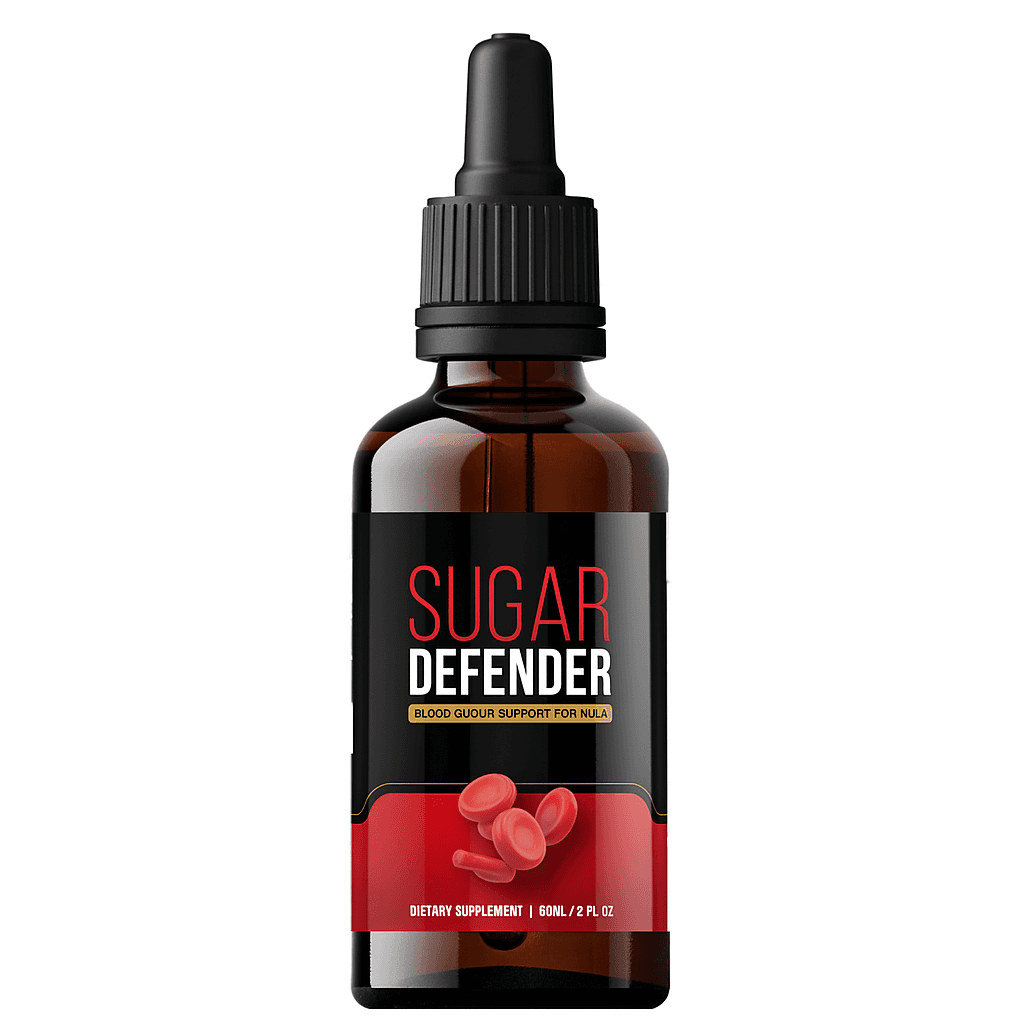
Sugar Defender VSL and Ads Analysis: What the Sales Pitch Really Says
Somewhere between the second and third minute of the Sugar Defender video sales letter, the narrator describes lying to their doctor for an entire year, telling the physician they were following the prescribed diet while privately living, as they put it, "hungry and exhausted."…
8,226+
Videos & Ads
+50-100
Fresh Daily
$29.90
Per Month
Full Access
12.5 TB database · 72+ niches · 26 min read
Introduction
Somewhere between the second and third minute of the Sugar Defender video sales letter, the narrator describes lying to their doctor for an entire year, telling the physician they were following the prescribed diet while privately living, as they put it, "hungry and exhausted." It is a disarmingly specific confession, the kind of detail that reads as lived experience rather than constructed copy, and it performs a precise rhetorical function: it collapses the distance between the narrator and the viewer in a single sentence. That collapse is the foundation on which everything else in this VSL is built. Before any product is named, before any science is invoked, the letter has already convinced a substantial segment of its audience that the person speaking understands their life.
The video opens with a statistic, 136 million Americans living with diabetes or pre-diabetes, paired immediately with a conspiratorial claim: a 400-billion-dollar industry has a financial interest in keeping that number exactly where it is. This pairing is not accidental. The statistic provides scale and legitimacy; the conspiracy claim provides an enemy. Together they accomplish in two sentences what many VSLs require several minutes to achieve: the viewer is repositioned from someone who has failed to manage their condition into someone who has been deliberately kept sick by forces larger than themselves. The emotional stakes shift entirely. Shame becomes grievance. The product, when it arrives, arrives as justice.
The pitch does not name Sugar Defender by that name within the transcript itself, the product is referred to as "this formula" and "a precise morning protocol", a common strategy in health VSLs designed to maximize curiosity and minimize regulatory exposure by keeping specific claims attached to a vague noun rather than a named supplement. What it does name, with considerable emphasis, is the mechanism: a supposed biological discovery from a German university showing that senescent cells are suffocating the pancreas and blocking insulin production. This is the hinge on which the entire argument turns, and it is the mechanism that deserves the most careful scrutiny.
This analysis reads the Sugar Defender VSL the way a marketing researcher would read a primary source, attending to structure, rhetoric, sequencing, and the relationship between claimed science and available evidence. The central question the piece investigates is not simply whether the product works, but what the VSL reveals about how a modern health supplement pitch is constructed, who it is built to reach, and whether the scientific and commercial claims it makes hold up to even basic examination.
What Is Sugar Defender?
Sugar Defender is a dietary supplement positioned in the blood sugar support category, one of the most competitive and most heavily marketed niches in the direct-to-consumer health space. Based on the VSL framing and standard product configurations for this category, it most likely takes the form of a liquid tincture or capsule taken as a daily morning protocol. The VSL does not disclose specific ingredients or dosages within the transcript, relying instead on the phrase "a formula of pure extracts", language that is deliberately broad enough to encompass almost any botanical or nutraceutical blend while sounding precise.
The product is positioned not as a blood sugar manager, the category language consumers already associate with medications like metformin, but as a root-cause corrector. This is a deliberate market positioning choice. Root-cause language signals that every prior solution the buyer has tried was addressing symptoms while ignoring the underlying problem. It is a positioning move that simultaneously dismisses the competition and raises the product above the crowded field of glucose-support supplements by implying a fundamentally different mechanism of action. The target user, as constructed by the VSL, is an adult living with Type 2 diabetes or pre-diabetes who has already tried dietary changes, exercise, and possibly pharmaceutical intervention without achieving the stable, effortless metabolic health they were promised.
The supplement market this product operates in is enormous and growing. According to a 2023 report by Grand View Research, the global blood glucose management supplement market was valued at over four billion dollars and is projected to expand significantly through the decade, driven precisely by the demographic the VSL opens with. Sugar Defender is one of dozens of competing products in this segment, but its VSL distinguishes itself through the specificity of its claimed mechanism and the intensity of its emotional narrative arc, two features that place it at the more sophisticated end of the supplement marketing spectrum.
The Problem It Targets
The problem the VSL describes is real and genuinely serious. The 136 million Americans figure cited in the opening, roughly 34 million with diagnosed Type 2 diabetes and 96 million with pre-diabetes, aligns closely with data published by the Centers for Disease Control and Prevention (CDC) in its National Diabetes Statistics Report. Globally, the World Health Organization (WHO) estimates that over 422 million people live with diabetes, a condition that is a leading cause of blindness, kidney failure, cardiovascular disease, and lower-limb amputation. The scale of the problem is not manufactured for marketing effect; it is documented in epidemiological literature.
What the VSL does manufacture, however, is a specific emotional profile of the sufferer. The transcript describes an "energy roller coaster," brain fog, stubborn belly fat, the social shame of avoiding dessert at family gatherings, and the psychological burden of constant fear about the future. Each of these is individually real, fatigue and cognitive impairment are clinically documented features of poorly controlled blood glucose, and the psychological burden of diabetes management is well-established in the literature, including research published in Diabetes Care examining diabetes distress as a clinical phenomenon distinct from depression. What the VSL does is assemble these diverse experiences into a single, unified portrait of suffering that is designed to be maximally recognizable, maximally validating, and minimally falsifiable. If any of these experiences describes the viewer's life, the pitch has found its target.
The framing of the problem is explicitly conspiratorial: the pharmaceutical industry, the VSL argues, has a financial incentive to suppress the root cause of diabetes because treating symptoms is more profitable than curing underlying conditions. This "false enemy" narrative structure, naming an institutional villain whose interests are opposed to the consumer's health, is among the most effective rhetorical moves in health marketing precisely because it is partially true. Critics of the pharmaceutical industry have made credible, evidence-based arguments about perverse incentives in chronic disease management, from the pricing of insulin to the marketing of lifestyle drugs. The VSL borrows the legitimate version of this critique and extends it far beyond what the evidence supports, using a real grievance as a launch pad for an unsubstantiated conspiracy claim about deliberate suppression of a metabolic cure.
The commercial opportunity the VSL identifies is equally real: the gap between what conventional diabetes management delivers (symptom control requiring lifelong medication adherence) and what patients want (a restored, worry-free metabolic state) is enormous and largely unmet by mainstream medicine. Any product that can credibly claim to close that gap, even in part, is entering a market with massive unmet demand and emotionally primed buyers. Understanding that gap is essential to reading what the VSL is doing and why it is structured the way it is.
Curious how the mechanism claim holds up to scientific scrutiny? The next two sections examine the biology in detail, and where the evidence gets thin.
How Sugar Defender Works
The central mechanism the VSL describes is cellular senescence, specifically, the accumulation of senescent cells (cells that have stopped dividing but have not died) in and around the pancreas, forming what the script calls "a toxic blanket" that prevents normal insulin production. The VSL claims that a study from the University of Dusseldorf identified this blanket in the pancreatic tissue of more than 200 subjects, and that the Sugar Defender formula provides "a signal" that activates the body's natural cleaning cells to identify and eliminate these senescent cells, thereby restoring pancreatic function.
This mechanism is not entirely invented. Cellular senescence is a genuine and actively researched field of biology. The accumulation of senescent cells, sometimes called "zombie cells" in popular science writing, in aging tissues is real, and the relationship between senescent cell accumulation and metabolic dysfunction has been explored in peer-reviewed literature. Research published in Cell Metabolism (Aguayo-Mazzucato et al., 2019) demonstrated that senescent beta cells, the insulin-producing cells of the pancreas, do accumulate with age and in the context of Type 2 diabetes, and that clearing these cells in mouse models improved metabolic function. The scientific premise the VSL is borrowing from is legitimate. This is what makes it persuasive, and what makes it worth examining carefully.
The gap between the legitimate science and the VSL's claims is substantial. First, the research on senolytic interventions (drugs or compounds that clear senescent cells) is largely preliminary, conducted in animal models or small human trials with pharmaceutical-grade senolytics like dasatinib and quercetin, not botanical extract blends of the kind Sugar Defender likely contains. Second, no publicly accessible study from the University of Dusseldorf specifically examining 200+ human pancreatic tissue samples in the context described by the VSL can be independently verified from the transcript's description alone. The institutional name lends real prestige, but the absence of author names, journal titles, or publication years makes the citation unverifiable. Third, the claim that a morning protocol of "pure extracts" can function as a sufficiently potent senolytic signal to meaningfully clear pancreatic senescent burden in humans is a significant extrapolation from current evidence. The difference between "this biological pathway exists" and "this supplement activates that pathway effectively" is the distance between legitimate science and marketing copy.
For a reader researching this product, the honest assessment is this: the underlying biology the VSL references is real and interesting. The specific claim that Sugar Defender's formula produces the described effect through that biological pathway has not, based on available public evidence, been demonstrated in a peer-reviewed clinical trial.
Key Ingredients and Components
The VSL transcript does not name individual ingredients, referring to the product only as "a formula of pure extracts." Based on publicly available product listings for Sugar Defender and standard formulation conventions in the blood sugar supplement category, the product typically includes a combination of botanical and nutritional compounds that have appeared in the metabolic health literature. A responsible analysis cannot confirm that any specific ingredient is present without verified product documentation, but the following are representative of the category and the mechanism language the VSL uses:
- Eleuthero (Siberian Ginseng): An adaptogenic root traditionally used to support energy and stress resilience. Some small-scale studies suggest modest effects on fasting blood glucose, though evidence in human subjects remains limited and inconsistent.
- Coleus Forskohlii: A plant extract containing forskolin, which has been studied for its effects on fat metabolism and, in some research, on insulin signaling. Evidence is preliminary and largely limited to animal or in vitro studies.
- Maca Root: A Peruvian root vegetable used traditionally as an energy tonic. Limited clinical evidence exists for direct blood glucose effects; it is more commonly cited for fatigue and hormonal support.
- African Mango: Derived from Irvingia gabonensis, this extract has been studied for its effects on adipokine signaling and modest weight reduction, with some data suggesting secondary effects on fasting glucose. Research is not conclusive.
- Guarana: A natural caffeine source that may influence glucose metabolism indirectly through thermogenesis and energy expenditure. The stimulant effect likely accounts for part of the energy improvement users report.
- Gymnema Sylvestre: Among the better-studied botanicals in this category. Research published in the Journal of Ethnopharmacology has explored its potential to reduce sugar absorption in the gut and support pancreatic beta cell function, though effects in human clinical trials remain modest.
- Chromium: A trace mineral with a reasonably well-established role in insulin signaling. The National Institutes of Health (NIH) Office of Dietary Supplements acknowledges that chromium may improve insulin sensitivity in people with diabetes, though the clinical magnitude of the effect is modest.
The overall formulation pattern, combining adaptogens, botanical glucose modulators, and trace minerals, is standard for the category. None of these ingredients, individually or as a typical blend, has been demonstrated in clinical trials to produce the dramatic senolytic pancreatic clearing effect that the VSL describes. The ingredients may offer modest, incremental support for metabolic health; the mechanism story in the VSL is a more dramatic frame than the ingredient evidence supports.
Hooks and Ad Angles
The VSL's opening hook, "Over 136 million Americans now have diabetes or pre-diabetes, and a 400 billion dollar industry needs them to stay exactly that way", is a textbook example of what copywriting theorists would recognize as a pattern interrupt paired with a conspiratorial frame. The statistic alone would function as a category entry point, orienting the viewer to the problem space. But the immediate pivot to institutional betrayal does something more sophisticated: it reframes a health problem as a political one, activating a different cognitive register, one associated with grievance, anger, and the desire for agency, rather than the problem-solution register that typical supplement ads inhabit. Eugene Schwartz, in Breakthrough Advertising, described this as a Stage 5 market sophistication move: addressing a buyer who has heard every direct pitch about blood sugar supplements and now only responds to a fundamentally new frame. The Sugar Defender VSL does not open by claiming its product is the best glucose supplement; it opens by claiming the entire category of solutions the viewer has encountered has been deliberately inadequate.
The hook structure benefits from what cognitive scientists call the information gap effect (Loewenstein, 1994): the industry conspiracy claim immediately raises a question the viewer cannot answer, what are they hiding?, and the VSL controls the answer. This mechanism sustains attention past the point where a conventional benefit-led hook might lose a sophisticated, skeptical viewer. The narrative that follows is scaffolded on that initial curiosity gap: the Dusseldorf study is introduced as the suppressed answer, held back just long enough to maximize investment before the solution is named.
Secondary hooks observed across the VSL include:
- The personal shame narrative: "the shame of turning down dessert at a family lunch", an identity-threat hook targeting social self-perception
- The confession hook: "For a full year I lied to my doctor", disrupts expected authority-compliance framing and builds radical credibility through apparent self-incrimination
- The false attribution hook: "It's not discipline you lack", dissolves the viewer's self-blame and re-channels motivation toward the product
- The sensory future-pace: three consecutive "Imagine..." scenarios that anchor the promised outcome in specific, emotionally vivid moments
- The two-path binary close: explicit framing of inaction as a choice with named negative consequences
For a media buyer testing this product on Meta or YouTube, the following headline variations represent the strongest angles to A/B test:
- "I lied to my doctor for a year. Then I found this German study."
- "It's not willpower. Your pancreas is being smothered, and here's the morning signal that clears it"
- "The blood sugar industry's $400B secret, and the formula that sidesteps it"
- "Doctors called my results impossible. I just smiled."
- "Stable energy all day. No crash. No finger pricks. Here's what changed."
Psychological Triggers and Persuasion Tactics
The persuasive architecture of the Sugar Defender VSL is more precisely engineered than the average supplement letter. Rather than deploying individual triggers in parallel, a testimonial here, a scarcity claim there, the script stacks its mechanisms in a deliberate sequence: shame dissolution first, then enemy identification, then suppressed-science authority, then vivid future-pacing, then binary close with urgency. Each layer builds on the emotional state established by the prior one. By the time the viewer reaches the two-path close, they have been progressively moved from shame to grievance to hope to desire to urgency, a complete emotional arc that Cialdini would recognize as a compounding influence sequence rather than a simple trigger deployment.
The letter's most sophisticated move is its cognitive dissonance resolution function (Festinger, 1957). Viewers with diabetes or pre-diabetes who have tried and failed at dietary interventions carry significant psychological burden, the dissonance between "I know what I should do" and "I cannot sustain doing it" is one of the most painful and motivationally paralyzing states a health consumer can occupy. The VSL resolves this dissonance entirely by externalizing its cause: the reason discipline has not worked is not a character flaw but a biological one, senescent cells blocking the system at the source. This resolution is emotionally liberating and cognitively sticky, making it one of the most effective single moves in the entire script.
Specific tactics deployed include:
- False Enemy / Institutional Villain (Cialdini's in-group/out-group dynamics): The pharmaceutical industry is named as a deliberate obstacle, converting the viewer from a patient who has failed into a victim who has been wronged. This activates reactive motivation, the desire to defy the system, as an additional purchase driver alongside desire for health.
- Shame dissolution and blame reattribution (Festinger's dissonance reduction): The VSL names specific shame moments, the family lunch, the lying to the doctor, and then removes their cause from the viewer's control, dramatically lowering psychological resistance to engagement.
- Open loop via information gap (Loewenstein, 1994): The Dusseldorf study is introduced as a revelation the industry refuses to admit, creating a sustained curiosity loop that holds attention through the mechanism explanation.
- Vivid future-pacing (NLP visualization; Gary Halbert, Clayton Makepeace): Three sensory-specific "Imagine" scenarios build emotional ownership of the promised outcome before any purchase commitment is requested, activating the endowment effect (Thaler, 1980) by making the viewer feel they already have a relationship with the result.
- Borrowed institutional authority (Cialdini's authority principle, Influence, 1984): The University of Dusseldorf is named as "prestigious" and paired with "high-tech microscopes" and "cellular experts", all real-sounding signals of scientific legitimacy deployed without a single verifiable citation.
- Loss aversion via two-path close (Kahneman & Tversky's Prospect Theory, 1979): Path One is explicitly narrated as a return to "anxiety, frustration and fear", framing inaction not as a neutral choice but as an active decision to remain in suffering, which Prospect Theory predicts is far more motivating than an equivalent gain framing.
- Scarcity and urgency (Cialdini's scarcity principle): "Before the limited stock runs out" appears in the closing CTA, introducing time pressure at the moment of highest emotional investment, a classic interrupt of deliberative reasoning.
The tactics above appear across dozens of VSLs in the health supplement space. Intel Services tracks how these structures evolve across campaigns, see how Sugar Defender compares to the broader pattern.
Scientific and Authority Signals
The VSL's primary authority signal is the reference to a study from the University of Dusseldorf, specifically, a team of "cellular experts" using "high-tech microscopes" to examine the pancreatic tissue of "over 200 people." The University of Dusseldorf (Heinrich Heine University Düsseldorf) is a real and respected German research institution with a genuine medical faculty. Its invocation here is a form of what might be called borrowed authority: a real institution is referenced in a way that implies endorsement or association without establishing that any such endorsement exists. No researcher names are provided, no journal is named, no publication year is given, and no DOI or URL is supplied. This makes the citation structurally unfalsifiable, the viewer cannot look it up to confirm or deny it, which is almost certainly intentional.
The legitimate science adjacent to the VSL's claims is real but more nuanced than the letter suggests. Research on senescent beta cells and their role in Type 2 diabetes has been published in peer-reviewed journals. A 2019 paper by Aguayo-Mazzucato and colleagues in Cell Metabolism examined the accumulation of senescent beta cells in the context of aging and T2D in both mouse models and human islet tissue, finding that senolytic treatment (using dasatinib and quercetin, which are pharmaceutical compounds, not botanical extracts) improved beta cell function in mice. The Mayo Clinic's group under Dr. James Kirkland has also published extensively on senolytic interventions and metabolic health. These are credible, interesting lines of research, but they involve pharmaceutical agents in controlled experimental conditions, not the kind of botanical blend that constitutes a dietary supplement.
The VSL's narrator functions as a form of testimonial authority, an anonymous individual whose personal transformation is narrated in detail sufficient to feel credible. The doctor's surprised reaction ("What on earth are you doing?") is a particularly well-constructed authority signal: it attributes third-party validation to the narrator's results without making any specific medical claim the supplement company can be held accountable for. The doctor is impressed, not endorsing; the implication of clinical validation is created without a single falsifiable statement.
For a reader evaluating this product, the honest summary is: the VSL deploys the appearance of scientific rigor, institutional names, microscope imagery, subject counts, without providing the verifiable documentation that genuine scientific rigor requires. This does not prove the product is ineffective, but it does mean the authority claims should not be weighted heavily in the purchase decision.
The Offer, Pricing, and Risk Reversal
The VSL transcript as provided does not disclose a specific price, a guarantee structure, or explicit bonus offerings. This is consistent with a common two-step VSL architecture in which the video functions primarily as an emotional and narrative warm-up, with the detailed offer, price anchoring, tiered packages, money-back guarantee, bonuses, presented on the order page that follows the click. The closing line directs viewers to "choose the package that's right for you," signaling a tiered pricing structure (typically a single-bottle, three-bottle, and six-bottle configuration, which is standard in the supplement direct-response space).
The one offer mechanic present in the transcript is a scarcity close: "before the limited stock runs out." This is a theatrically deployed urgency signal, dietary supplements, which are manufactured in batches, can face genuine inventory constraints, but "limited stock" warnings on supplement pages are so ubiquitous that sophisticated buyers have learned to discount them. The primary function of the phrase at this stage of the VSL is not to convey genuine scarcity but to interrupt the viewer's deliberative pause at the point of maximum emotional engagement. It is a timing mechanism more than an informational one.
Based on standard pricing in this supplement category and publicly circulating product pages for Sugar Defender, the single-bottle price is typically positioned in the $60-$70 range with the per-bottle cost declining significantly in three- and six-bottle configurations, a structure designed to shift buyers toward larger purchases by making the multi-unit option feel like the rational economic choice. Money-back guarantees of 60 to 180 days are common in the category and serve a dual function: they reduce purchase friction by shifting perceived risk to the seller, and they signal confidence in product quality even when that signal is difficult for the buyer to verify independently.
Who This Is For (and Who It Isn't)
The Sugar Defender VSL is built for a specific psychographic profile with a high degree of precision. The ideal buyer is a middle-aged or older adult, most likely between 45 and 70, who has been living with Type 2 diabetes or pre-diabetes long enough to have experienced repeated cycles of dietary effort, partial improvement, and relapse. They have likely tried multiple dietary approaches, possibly metformin or another pharmaceutical, and feel a combination of exhaustion and shame about the gap between their intentions and their results. Critically, they retain enough hope to keep searching, they are not fully defeated, but they are highly skeptical of mainstream medical promises. The conspiratorial framing of the VSL is calibrated for this skepticism: it validates distrust of institutional medicine while offering an alternative that is positioned outside the system they have learned to doubt.
From a demographic standpoint, the product's marketing will likely perform best with viewers who consume health content online, YouTube, Facebook, health news aggregators, and who have already been exposed to the broader category of natural blood sugar support. The emotional register of the pitch, with its emphasis on family moments, social shame, and the desire to feel "normal" again, suggests a primary female skew, though the problem demographics include both sexes roughly equally.
The product is a less obvious fit for several other categories of potential buyer. Someone newly diagnosed with Type 2 diabetes who has not yet engaged with dietary and medical management should not treat a supplement as a first-line intervention, the evidence base for medical management is substantially stronger, and delaying evidence-based treatment carries real clinical risk. Someone with well-controlled blood glucose through medication and lifestyle changes has limited incremental benefit to gain from a senolytic-mechanism supplement with unverified clinical evidence. And anyone who is drawn to this product primarily because of the University of Dusseldorf citation should be cautious: the absence of a verifiable study reference is a meaningful signal about the evidentiary standards the marketing applies throughout.
Want to see how the offer structure and authority claims in Sugar Defender compare to other VSLs in the blood sugar supplement space? Intel Services has the breakdown.
Frequently Asked Questions
Q: Is Sugar Defender a scam?
A: The product appears to be a real dietary supplement sold by a legitimate direct-response company, not an outright fraud. However, several claims in the VSL, particularly the University of Dusseldorf study and the cellular senescence mechanism, are unverifiable from public sources, and the ingredient evidence does not support the dramatic outcomes described. Buyers should calibrate expectations accordingly and verify the return policy before purchasing.
Q: Does Sugar Defender really work for blood sugar?
A: The individual botanical ingredients often cited in this product category, such as Gymnema Sylvestre and chromium, have modest, real evidence for supporting metabolic health. Whether Sugar Defender's specific formulation produces the results described in the VSL has not been independently verified in published clinical trials. User results will vary significantly based on diet, activity level, and baseline metabolic health.
Q: Are there any side effects from taking Sugar Defender?
A: Based on standard formulations in this supplement category, most ingredients are generally well-tolerated in healthy adults at typical doses. Stimulant-containing ingredients such as guarana may cause jitteriness or sleep disruption in sensitive individuals. Anyone currently taking diabetes medication should consult their physician before adding any blood sugar supplement, as additive glucose-lowering effects can create hypoglycemia risk.
Q: Is Sugar Defender safe for diabetics?
A: Dietary supplements are not regulated with the same rigor as pharmaceuticals, so "safe" is difficult to assert categorically. The main clinical concern for people taking glucose-lowering medications is the potential for blood sugar to drop too low if the supplement has additive effects. Consulting a healthcare provider before use is strongly advisable for anyone with a diagnosed metabolic condition.
Q: What is the University of Dusseldorf study mentioned in the Sugar Defender VSL?
A: The VSL references a study from the University of Dusseldorf examining senescent cells in pancreatic tissue from over 200 subjects. No author name, journal title, year, or DOI is provided, making independent verification impossible from the VSL alone. Real research on senescent beta cells and diabetes does exist, notably from Aguayo-Mazzucato et al. in Cell Metabolism (2019), but the specific citation in the VSL cannot be confirmed as a real, publicly accessible study.
Q: How much does Sugar Defender cost?
A: The VSL transcript does not state a price; pricing is presented on the order page. Based on publicly available product information, single-bottle pricing is typically in the $60-$70 range, with meaningful per-unit discounts available on three- and six-bottle packages. Most configurations appear to include a money-back guarantee, though terms vary.
Q: What are the main ingredients in Sugar Defender?
A: The VSL does not name ingredients individually. Products sold under this name typically combine botanical extracts, including Gymnema Sylvestre, Eleuthero, African Mango, Maca Root, Coleus Forskohlii, and Guarana, with trace minerals such as chromium. These ingredients have varying levels of evidence for metabolic support, none rising to the level of the mechanism described in the sales letter.
Q: Who is Sugar Defender designed for?
A: Based on the VSL's framing, the product targets adults with Type 2 diabetes or pre-diabetes who feel frustrated with conventional management approaches and are open to natural supplementation. It is not designed as a replacement for prescribed medication, and people with serious or poorly controlled diabetes should not treat it as one.
Final Take
The Sugar Defender VSL is a technically accomplished piece of direct-response copywriting that operates at what Eugene Schwartz would call a high market sophistication level, it does not pitch a supplement, it pitches a biological revelation that invalidates every prior intervention the buyer has tried. That framing is both its greatest commercial strength and its most ethically questionable feature. By attributing the buyer's history of failure to a suppressed biological mechanism rather than the genuine complexity of metabolic management, the VSL relieves psychological suffering in exchange for creating a new, product-dependent explanation of the problem. The relief is real. The dependency is commercially engineered.
The scientific scaffold the letter builds, cellular senescence, the University of Dusseldorf, "natural cleaning cells", is sophisticated enough to survive casual scrutiny because it borrows from real biology without making claims that are trivially falsifiable. Someone who searches "senescent cells and diabetes" will find genuine peer-reviewed research confirming that the underlying pathway exists. What they will not find, without considerably more effort, is confirmation that a botanical supplement blend can activate that pathway at a clinically meaningful level, or that the specific Dusseldorf study exists as described. The strategy of citing real science in a vague, unverifiable way is one of the most effective and most problematic patterns in health supplement marketing, and Sugar Defender's VSL deploys it with considerable skill.
For a potential buyer, the pragmatic questions are: Does the product contain ingredients with any genuine evidence for metabolic support? Probably yes, in modest amounts. Does it do what the VSL claims, via the mechanism it describes? That claim is unverifiable and likely overstated. Is the risk of trying it significant? At typical supplement doses and with a reasonable money-back guarantee, the financial and physical risk is relatively low for most healthy adults, but not for people on glucose-lowering medication who have not consulted their physician. The VSL's emotional resonance does not substitute for that conversation.
At a broader level, the Sugar Defender pitch represents a maturation of the health supplement VSL as a format. The early generation of supplement ads sold benefits; the second generation added testimonials and before/afters; this generation sells suppressed mechanisms and institutional betrayal. Each generation has been more persuasive and more scientifically dressed than the last, which makes critical reading increasingly important for the consumers these pitches target. Understanding how the architecture works, the false enemy, the borrowed authority, the stacked emotional sequence, is the most reliable protection against being moved by it in ways that bypass your own judgment.
This breakdown is part of Intel Services, our ongoing library of VSL and ad-copy analyses. If you're researching similar products or the blood sugar supplement category more broadly, keep reading.
Disclaimer: This article is for research and educational purposes only. It is not medical, legal, or financial advice, and it is not affiliated with the product or its makers. Always consult a qualified professional before making health or financial decisions.
Source-backed reader context
Additional Reported Experience
These statements were presented in the product's sales transcript. Daily Intel did not independently verify the speakers, purchase status, or reported outcomes, and the statements are not used in Product aggregateRating.
Narrator's personal transformation
Date not stated
stable energy, elimination of brain fog, belly fat reduction, and favorable doctor reaction ('What on earth are you doing?')
Comments(0)
No comments yet. Members, start the conversation below.
Related reads
 reviews
Mind Lab Pro Review: Does the 30-Day Study Match v4?
Mind Lab Pro v4 lists exact amounts for 11 ingredients and contains no caffeine or stimulants, according to its official page. A 30-day finished-product study reported favorable memory findings, but its abstract does not identify v4 or disclose the tested form or dose.
Read reviews
Life Extension Two-Per-Day Multivitamin Review: Evidence Limits
Life Extension Two-Per-Day is a 120-capsule multivitamin displayed as a 60-day supply. Its identity and dated prices are verified, but the supplied evidence does not reproduce the complete quantitative Supplement Facts panel or include a trial of the finished product. Research involving another multivitamin cannot prove that these capsules improve memory or deliver Life Extension’s broader health-support claims.
Read reviews
Ritual Essential for Women 50+ Review: Label, Study Fit, and Verdict
Ritual Essential for Women 50+ is an iron-free capsule multivitamin positioned by Ritual for women after menopause. Its verified label lists 100 micrograms of vitamin K2 as menaquinone-7. The supplied study did not test this finished product, and the packet provides no exact price.
Read