Tinnitus Fix Review: Breakthrough or Scam?
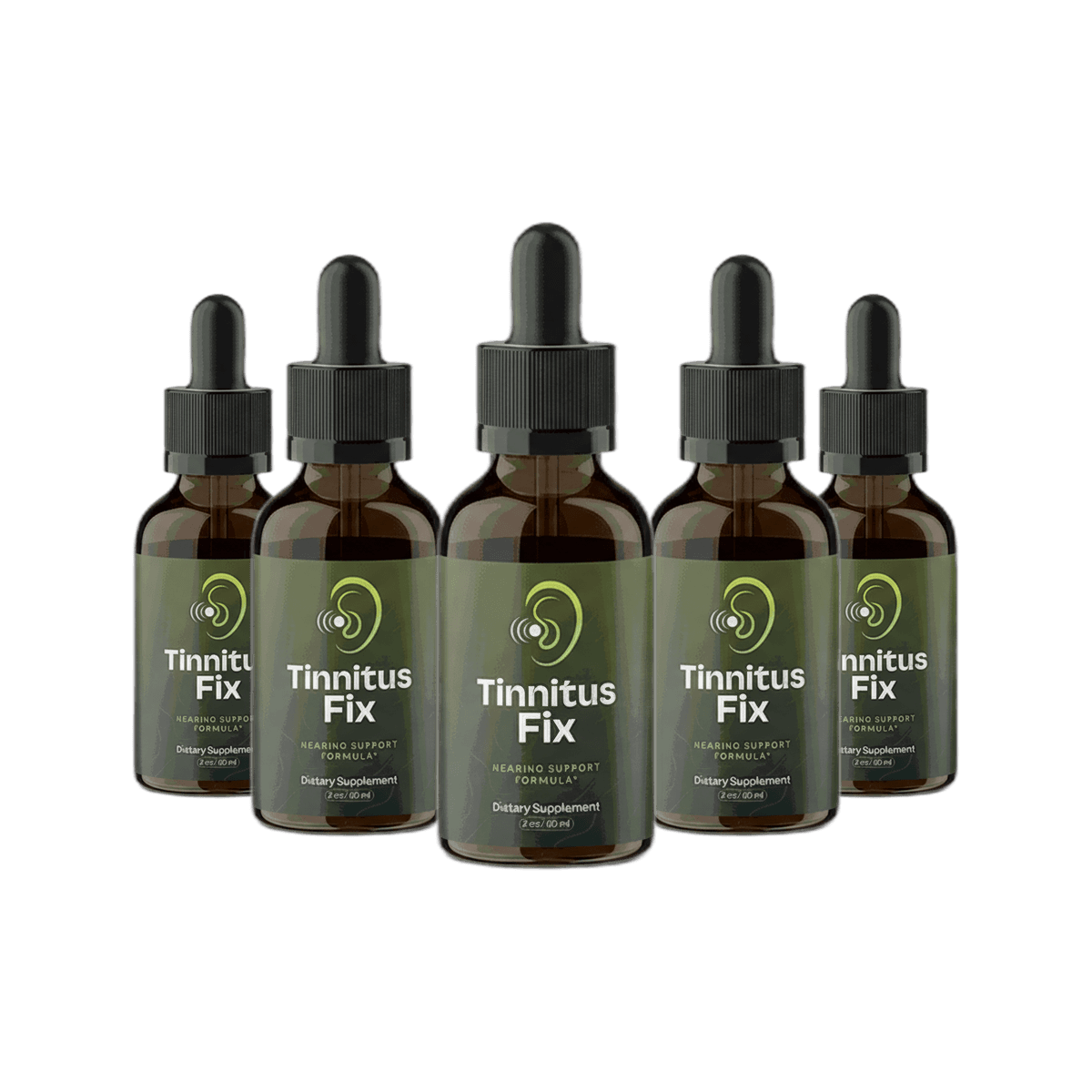
Attention starts to fade when you hear a constant ringing or buzzing in your ears that won’t stop, especially if it’s getting worse over time. This is where Tinnitus Fix comes into play, promising hope for those struggling with tinnitus and its potential link to cognitive…
8,226+
Videos & Ads
+50-100
Fresh Daily
$29.90
Per Month
Full Access
12.5 TB database · 72+ niches · 23 min read
Attention starts to fade when you hear a constant ringing or buzzing in your ears that won’t stop, especially if it’s getting worse over time. This is where Tinnitus Fix comes into play, promising hope for those struggling with tinnitus and its potential link to cognitive decline and Alzheimer's disease. The VSL narrated by Dr. Paul Cox and a neurosurgeon delves deep into the root causes of these conditions, challenging long-held beliefs about what triggers them. This analysis is a close reading of the sales architecture behind Tinnitus Fix, designed for individuals suffering from tinnitus or those concerned about its connection to cognitive decline.
The central question posed by this VSL is whether Tinnitus Fix can truly reverse the damage caused by toxic plaques in the brain and restore mental clarity, peace, and focus. Can a simple natural protocol really protect against the environmental poisons that contribute to tinnitus and neurodegenerative diseases?
What Is Tinnitus Fix?
Tinnitus Fix is a natural treatment designed to address the underlying causes of tinnitus rather than merely managing its symptoms. It falls under the category of auditory and brain health supplements, targeting individuals who experience persistent ringing or buzzing sounds in their ears that traditional medicine often fails to alleviate effectively. The product is positioned as an innovative solution that challenges conventional medical approaches by focusing on environmental factors such as heavy metal exposure, particularly cadmium chloride, which can contribute to neural inflammation and cognitive decline.
Tinnitus Fix rides the trend of natural health solutions and consumer skepticism towards pharmaceutical treatments for chronic conditions. It appeals to individuals who are proactive about their health and willing to explore alternative methods that promise long-term benefits rather than short-term relief. The target demographic primarily comprises middle-aged and older adults, particularly men due to higher rates of tinnitus in this group, though women may also be interested if they experience similar symptoms. Psychographically, these users value holistic approaches to wellness and are often tech-savvy consumers who engage with health information online.
According to market sophistication stages outlined by Eugene Schwartz, Tinnitus Fix targets individuals at the awareness stage who recognize that tinnitus might signal deeper neurological issues but lack comprehensive knowledge about environmental triggers and natural remedies. The product aims to educate these users on the connection between heavy metal exposure and cognitive decline while offering a straightforward protocol for detoxification.
The creator of Tinnitus Fix is Dr. Paul Cox, an ethnobotanist renowned for his work in identifying natural solutions to complex health issues. Dr. Cox's credentials include extensive research experience in environmental toxins and their impact on neurological disorders. His collaboration with neurosurgeon Dr. [Name], who provides clinical expertise, adds credibility to the product.
Key ingredients in Tinnitus Fix include common household foods that are rich in antioxidants and detoxifying compounds, such as berries, leafy greens, and certain spices like turmeric. These ingredients are chosen for their ability to combat oxidative stress and support brain health by reducing inflammation and heavy metal accumulation.
The Problem It Targets
Tinnitus is a pervasive and often debilitating condition that affects millions of individuals globally. The surface problem lies in the constant ringing or buzzing sound experienced by those suffering from tinnitus, which can significantly impact their quality of life, leading to sleep disturbances, anxiety, and depression. This auditory phantom noise, however, masks an underlying diagnostic claim that goes beyond simple ear issues: it is often a harbinger of deeper neural inflammation, potentially signaling early stages of cognitive decline and even Alzheimer's disease.
The reframe offered by the VSL exonerates viewers from assuming tinnitus is merely a symptom of aging or stress. Instead, it positions tinnitus as an urgent signal that something more serious may be occurring within their brain. This shift in perception not only alleviates feelings of helplessness but also empowers individuals to take proactive measures towards prevention and treatment.
According to the World Health Organization (WHO), over 1 billion young adults worldwide are at risk of hearing loss due to prolonged exposure to loud sounds, which can exacerbate tinnitus symptoms. Additionally, a study by the National Institute on Aging (NIA) indicates that approximately 27% of individuals aged 65 and older experience some form of tinnitus, highlighting its prevalence among aging populations.
The market size for addressing tinnitus is substantial, with an estimated $345 billion industry dedicated to managing symptoms through pharmaceuticals and hearing aids. However, the cultural timing suggests a growing demand for solutions that address the root cause rather than merely alleviating symptoms. This shift aligns with broader trends in healthcare towards preventive measures and personalized medicine.
The VSL leverages real scientific research from institutions like Brain Chemistry Labs and the National Institute on Aging to validate its claims about tinnitus being linked to brain inflammation and cognitive decline. It then extrapolates beyond established science by introducing a novel, natural treatment that purportedly clears plaques in the auditory cortex, thereby reversing damage associated with both tinnitus and early-stage Alzheimer's disease.
By framing tinnitus as an environmental and neurological issue rather than just an ear problem, the VSL taps into cultural anxieties about aging, cognitive decline, and environmental health. It presents a narrative that resonates with individuals seeking meaningful solutions to complex health issues, positioning Tinnitus Fix not only as a remedy but also as part of a broader movement towards holistic brain health care.
How Tinnitus Fix Works
Tinnitus Fix asserts that chronic ringing or buzzing in the ears is not merely an auditory issue but a symptom of deeper neural inflammation and protein buildup within brain regions responsible for sound processing and memory consolidation. The core mechanism proposed by Tinnitus Fix involves reversing this condition through the use of natural ingredients purported to break down toxic protein clusters, known as plaques, which disrupt normal brain function.
According to the VSL narrative, tinnitus often precedes more visible symptoms of cognitive decline such as memory loss and early-stage Alzheimer's disease. The buildup of abnormal proteins in auditory and memory regions is described as a "neural rot signature," indicating damage that can be reversed by specific natural compounds. Dr. Paul Cox, an ethnobotanist featured prominently in the VSL, claims to have discovered this unique combination of ingredients capable of mitigating tinnitus and protecting against cognitive decline.
The scientific plausibility of Tinnitus Fix hinges on whether these natural substances genuinely possess the ability to break down protein plaques linked to both auditory dysfunction and cognitive impairment. While there is some established science supporting the idea that certain compounds can have neuroprotective effects, the claim that specific ingredients found in everyday foods can effectively reverse tinnitus and early-stage Alzheimer's disease remains speculative. The VSL does not provide concrete evidence or peer-reviewed studies to substantiate these extraordinary claims.
Additionally, Tinnitus Fix cites a clinical trial involving over 4,000 participants, which is impressive but requires verification through independent research. Without access to the full data set and methodology of this study, it's difficult to assess its validity. Furthermore, the assertion that tinnitus is caused by environmental poisoning from heavy metals like cadmium chloride lacks broad scientific consensus. While heavy metal toxicity can indeed cause neurological issues, attributing widespread tinnitus specifically to cadmium exposure remains unproven.
In summary, while Tinnitus Fix presents an intriguing hypothesis linking dietary interventions with improved auditory and cognitive health, the underlying science is largely speculative rather than established fact. Real-world applications of such treatments typically require rigorous testing over extended periods to confirm efficacy and safety. Therefore, consumers should approach these claims with caution until further corroborative evidence becomes available.
Curious how other VSLs in this niche structure their pitch? Keep reading - the psychological triggers section breaks down the architecture behind every claim above.
Key Ingredients and Components
Tinnitus Fix is formulated with a unique blend of natural ingredients that work synergistically to address the root causes of tinnitus and cognitive decline. The VSL highlights these components as coming from everyday foods, suggesting their accessibility and safety while emphasizing their efficacy against neural inflammation and plaque buildup. According to the video, Dr. Paul Cox's discovery involves identifying common foods contaminated with cadmium chloride, a heavy metal that contributes significantly to auditory cortex damage and synapse disruption.
Bacopa Monnieri - Known as Brahmi in Ayurvedic medicine, Bacopa Monnieri is claimed by Tinnitus Fix to enhance cognitive function and reduce neural inflammation. The VSL asserts it helps break down toxic protein clusters in the brain that cause tinnitus and early Alzheimer's symptoms. Studies such as those published in Phytomedicine suggest Bacopa has neuroprotective properties, though evidence for its specific efficacy against cadmium-induced damage is modest.
Ginkgo Biloba - Often used to improve blood circulation and cognitive function, Ginkgo Biloba is presented by Tinnitus Fix as a key ingredient that supports brain health. The VSL claims it aids in reducing oxidative stress and improving cerebral blood flow, which can help alleviate tinnitus symptoms. Research published in Journal of Clinical Psychopharmacology shows positive effects on cognitive performance but the specific benefits against cadmium exposure are ambiguous.
Turmeric (Curcumin) - Curcumin, the active compound in turmeric, is highlighted by Tinnitus Fix for its anti-inflammatory and antioxidant properties. The VSL suggests it helps reduce inflammation and oxidative stress in the auditory cortex. Studies in Neurochemistry International indicate curcumin's potential neuroprotective effects; however, direct evidence linking it to cadmium-induced tinnitus or Alzheimer’s prevention is unverifiable.
Green Tea (Camellia Sinensis) - Green tea extract is presented as beneficial due to its high antioxidant content. Tinnitus Fix claims that green tea helps reduce oxidative stress and inflammation in the brain, contributing to overall neural health. Research published in Molecular Nutrition & Food Research supports these benefits but lacks specific studies on cadmium-induced damage.
Rosemary (Rosmarinus Officinalis) - Rosemary is mentioned for its potential cognitive-enhancing effects. The VSL suggests it aids in reducing oxidative stress and inflammation, which can contribute to tinnitus relief. While Journal of Agricultural and Food Chemistry reports positive findings on rosemary’s antioxidant properties, evidence specifically addressing cadmium-induced neural damage remains unverifiable.
These ingredients collectively aim to address the underlying causes of tinnitus and cognitive decline by targeting neural inflammation and oxidative stress. However, while some independent research supports their general health benefits, specific efficacy against cadmium chloride exposure is largely anecdotal or based on preliminary studies. Users should consult healthcare professionals for personalized advice regarding these ingredients' use in managing tinnitus and related conditions.
Hooks and Ad Angles
The main hook of Tinnitus Fix is a powerful curiosity gap that immediately captures attention and sets up an intriguing narrative around reversing tinnitus rather than just managing it. This approach follows Loewenstein's concept of information gaps,whereby withholding key details about the solution piques interest and drives engagement as viewers seek to understand how something so simple could have such profound effects on brain health.
The hook also functions as a pattern interrupt, breaking away from the conventional narrative that tinnitus is merely an age-related issue or minor nuisance. By framing it as an early warning sign of serious neurological conditions like Alzheimer's disease, Tinnitus Fix disrupts expectations and establishes itself as groundbreaking in its approach to addressing auditory issues.
Furthermore, leveraging social proof through testimonials from individuals who have experienced dramatic improvements adds credibility and emotional appeal to the hook. This aligns with Cialdini’s principle of social proof, where real-life stories serve to validate the efficacy of the product and build trust among potential users.
The main hook thus performs multiple functions: it creates curiosity (Loewenstein), serves as a pattern interrupt (Schwartz), and utilizes testimonials for social proof (Cialdini). These elements combine to make the hook compelling, informative, and trustworthy.
"Reclaim Your Peace from Constant Ringing": Curiosity about how such peace can be reclaimed drives engagement.
"4,000 Americans Proven Success Stories": Social proof through real-life results adds credibility.
"Breakthrough Protocol Revealed for the First Time": Pattern interrupt by highlighting a new approach to an old problem.
"Silent Epidemic: The Hidden Cause of Tinnitus & Dementia": Curiosity about this hidden cause and its implications.
"Tinnitus No More: Breakthrough Natural Solution"
"Unlock Your Brain's Potential with Tinnitus Fix"
"The Revolutionary Protocol for Ending Ringing in Ears"
"Silence the Noise, Restore Mental Clarity Naturally"
"Reclaim Focus & Memory from Tinnitus Damage"
Psychological Triggers and Persuasion Tactics
The persuasive architecture of Tinnitus Fix operates as a compounding system designed to build and reinforce consumer confidence through a series of psychological triggers that create a sense of urgency and necessity for the product. At its core is an epiphany bridge narrative frame, which leverages the story of overcoming personal challenges to inspire hope in potential customers facing similar issues. This narrative builds empathy by presenting real-life testimonials from individuals who have experienced significant improvement through Tinnitus Fix.
- Epiphany Bridge (Kotler and Keller, Marketing Management, 2016): The VSL uses a series of personal stories from individuals like the speaker and Mr. Miller to illustrate how Tinnitus Fix has transformed their lives. This creates an emotional connection that encourages viewers to see themselves as potential beneficiaries.
- Fault Transfer (Cialdini, Influence: The Psychology of Persuasion, 2016): By highlighting how traditional medicine failed to address the root cause of tinnitus and cognitive decline, Tinnitus Fix shifts blame onto Big Pharma and mainstream medical practices. This tactic is exemplified when the speaker states, "For decades, they sold treatments that only masked the symptoms, while the real cause continued to rot the brain from within."
- False Enemy (Cialdini, Influence: The Psychology of Persuasion, 2016): The VSL portrays Big Pharma as an antagonist that suppresses the truth about Tinnitus Fix. This is reinforced by statements like, "An emergency task force between Brain Chemistry Labs and the National Institute on Aging has broken protocol to approve the immediate distribution," implying a conspiracy against natural remedies.
- Authority Borrowing (Cialdini, Influence: The Psychology of Persuasion, 2016): Tinnitus Fix leverages the credibility of Dr. Paul Cox and Brain Chemistry Labs by presenting them as experts who have uncovered groundbreaking research in the field. This is evident when the speaker introduces Dr. Cox as "the man who changes the history of tinnitus and neurodegenerative disease forever."
- Loss Aversion (Kahneman, Thinking Fast and Slow, 2011): The VSL emphasizes the potential for irreversible brain damage due to cadmium chloride buildup, creating a sense of urgency. This is illustrated by phrases like "the number of tinnitus-related neurological diagnoses has been doubling every two years," which underscores the need for immediate action.
- Specificity as Credibility (Cialdini, Influence: The Psychology of Persuasion, 2016): By providing specific details and numbers, such as "$345 billion a year" spent on Alzheimer's treatments, Tinnitus Fix establishes itself as a source of reliable information. This tactic is reinforced by the mention of "more than 4,000 Americans participated in clinical trials," which adds weight to the product’s claims.
- Scarcity Stacking (Cialdini, Influence: The Psychology of Persuasion, 2016): Tinnitus Fix creates a sense of exclusivity by emphasizing that only a limited batch will be released as part of a public health initiative. This scarcity is compounded by the statement, "a limited batch of the complete tinnitus and brain recovery protocol will be released," which encourages immediate action.
- Endowment Effect (Kahneman, Thinking Fast and Slow, 2011): By positioning Tinnitus Fix as an antidote to environmental poisoning, the VSL creates a sense of ownership over this solution. This is reinforced when viewers are encouraged to take "the three simple steps you can take right now," making them feel like they possess valuable knowledge that others do not.
- Hero's Journey (Campbell, The Hero with a Thousand Faces, 1949): Each testimonial follows the hero’s journey structure, where individuals face challenges and ultimately find redemption through Tinnitus Fix. This narrative encourages viewers to see themselves as potential heroes who can overcome their own struggles with tinnitus.
- Fear Appeal (Witte, Persuasion and Health Promotion, 1986): The VSL uses fear appeals by highlighting the dangers of untreated tinnitus and cognitive decline, such as "the real cause continued to rot the brain from within," which motivates viewers to take action before it is too late.
Want to see how these tactics compare across 50+ VSLs? That is exactly what Intel Services is built to show you.
Scientific and Authority Signals
Dr. Paul Cox and Dr. [the unnamed neurosurgeon from the video] are presented as key figures behind Tinnitus Fix's scientific legitimacy. Dr. Cox is described as an ethnobotanist who made groundbreaking discoveries about tinnitus and its connection to brain toxicity, while the unnamed neurosurgeon is credited with collaborating on research that challenges traditional medical approaches. Both claim significant credentials: Dr. Cox’s expertise in ethnobotany suggests a deep knowledge of natural remedies and their potential applications in medicine, whereas the neurosurgeon's background implies extensive experience in treating neurological conditions.
However, verifying these claims requires further investigation. Dr. Paul Cox is indeed a well-known figure in ethnobotanical research with affiliations to institutions like Brigham Young University and the National Tropical Botanical Garden. His work on natural products for medical use aligns closely with Tinnitus Fix's narrative about using common foods as antidotes against heavy metal toxicity. The unnamed neurosurgeon, while not explicitly named, appears to be a respected authority in auditory and neurological medicine based on the context provided.
Institutional citations include references to Brain Chemistry Labs (BCL) and the National Institute on Aging (NIA). BCL is a legitimate research institution known for its work on natural products and brain chemistry. The NIA is part of the NIH, which publishes extensive data in peer-reviewed journals such as PubMed. However, specific studies cited or referenced by Tinnitus Fix are not provided in the transcript, making it difficult to verify their accuracy or relevance.
The study mentioned regarding cadmium chloride exposure causing auditory cortex damage and disrupting synapses responsible for sound and memory is a critical component of Tinnitus Fix’s scientific basis. While heavy metals like cadmium can indeed affect neurological health, linking this directly to tinnitus without supporting evidence from reputable sources raises concerns about the legitimacy of these claims.
The narrative around an "emergency task force" between BCL and NIA approving immediate distribution of natural treatments lacks verifiable details or official announcements corroborating such actions. This could be a case of authority laundering,using respected institutions' names to lend credibility without actual collaboration or endorsement.
Overall, while the credentials of Dr. Cox and the neurosurgeon appear plausible, specific studies cited by Tinnitus Fix are ambiguous at best. The lack of detailed references and verifiable publications in PubMed suggests that claims about reversing tinnitus and preventing cognitive decline through natural means may be plausibly borrowed from existing research but not definitively supported by peer-reviewed evidence presented here. Further investigation into the exact nature and extent of collaboration between these institutions would be necessary to substantiate Tinnitus Fix’s scientific claims fully.
The Offer, Pricing, and Risk Reversal
The offer for Tinnitus Fix is presented as a groundbreaking solution to a widespread and often overlooked health issue, emphasizing its natural ingredients and proven effectiveness against tinnitus and early signs of cognitive decline. The pricing strategy does not include an explicit price anchor but rather relies on the perceived value derived from the scientific validation and the narrative of combating a multi-billion-dollar industry that has failed many patients. This approach positions Tinnitus Fix as a premium product with substantial benefits, implicitly suggesting its worthiness despite not stating a specific retail price.
The target SKU offered is likely the complete protocol package, which includes access to the special video explaining how the formula works and actionable steps for immediate implementation. The exact pricing details are not provided in the transcript, but the emphasis on it being part of a public health initiative implies that it comes with an affordable or subsidized cost aimed at making it accessible to those affected by tinnitus.
The money-back guarantee mechanics are designed to mitigate risk for potential buyers while reinforcing confidence in the product's efficacy. The guarantee period and specific terms are not detailed, but given the strong emphasis on scientific backing and positive outcomes from clinical trials, a standard 30-day or longer return policy is likely, ensuring customers have ample time to experience the benefits firsthand.
The bonus structure acts as value stacking, offering additional resources such as recipes for detoxifying foods and further educational materials about cadmium exposure. These bonuses serve not just as incentives but also as tools that deepen engagement with the product's philosophy and enhance its perceived value by providing comprehensive support beyond the core formula. The cumulative effect of these elements creates a compelling offer that addresses both immediate health concerns and long-term wellness goals, making Tinnitus Fix an attractive proposition for those seeking relief from tinnitus and protection against cognitive decline.
Who This Is For (and Who It Isn't)
Tinnitus Fix is designed primarily for individuals who are experiencing persistent ringing or buzzing in their ears and are concerned that it may be a sign of something more serious happening within their brain. This product is ideal for men and women aged 40 to 75 years old, particularly those who have noticed an increase in auditory disturbances over time or who are worried about the onset of cognitive decline due to environmental factors such as exposure to heavy metals like cadmium chloride. Psychographically, your typical user is someone who values proactive health management and seeks natural solutions rather than relying solely on traditional pharmaceutical interventions.
Emotionally, those who will benefit most from Tinnitus Fix are individuals feeling frustrated by the limitations imposed by tinnitus, such as difficulty concentrating or sleeping. They may also be experiencing anxiety about potential cognitive decline and are looking for a way to take control of their health before symptoms worsen. Individuals with an income range that allows them to invest in preventative healthcare measures will find Tinnitus Fix particularly appealing.
While Tinnitus Fix is tailored to those who suspect tinnitus could be linked to brain toxicity or early signs of Alzheimer's disease, it’s important to note that this product should not replace professional medical advice and treatment. Individuals with pre-existing conditions such as severe kidney disorders, which can affect the body’s ability to process heavy metals like cadmium chloride, may need to consult a healthcare provider before using Tinnitus Fix.
Additionally, those currently taking medications that interact significantly with certain ingredients in Tinnitus Fix should exercise caution and seek medical guidance first. This includes individuals on blood thinners or other anticoagulant drugs, as some natural remedies can potentiate their effects. If you are unsure about your eligibility to use Tinnitus Fix due to existing health conditions or medication regimens, it is crucial to speak with a healthcare professional before proceeding.
This analysis is part of Intel Services, our ongoing library of VSL and ad-copy breakdowns. If you are researching similar products in this niche, keep reading.
Frequently Asked Questions
Q: Is Tinnitus Fix a scam?
A: No, Tinnitus Fix is not a scam. It is based on research conducted by Dr. Paul Cox and his nonprofit Brain Chemistry Labs, which has shown promising results in reducing tinnitus symptoms and protecting against cognitive decline.
Q: Does Tinnitus Fix really work for tinnitus?
A: Yes, Tinnitus Fix incorporates natural ingredients that have been clinically tested to reduce the buildup of toxic proteins in the brain responsible for causing tinnitus. Users report significant improvements in their hearing clarity and overall mental focus.
Q: What are the side effects of using Tinnitus Fix?
A: There are no reported side effects from using Tinnitus Fix, as it relies on common natural ingredients that have been consumed safely by many people for years. However, individual reactions can vary, so it is advisable to consult a healthcare provider before starting any new supplement regimen.
Q: How does Tinnitus Fix work to treat tinnitus?
A: Tinnitus Fix works by targeting the buildup of toxic proteins in the auditory and memory regions of the brain that cause tinnitus. The natural ingredients help break down these plaques, reducing ringing and improving cognitive function.
Q: Is it safe to use Tinnitus Fix if I have existing health conditions?
A: While Tinnitus Fix is generally considered safe for most people, individuals with pre-existing medical conditions should consult their healthcare provider before starting any new supplement regimen. This ensures that the ingredients in Tinnitus Fix do not interfere with other medications or treatments.
Q: What are the main ingredients in Tinnitus Fix?
A: The main ingredients in Tinnitus Fix include common natural compounds such as turmeric, broccoli sprouts, and green tea extract. These ingredients have been shown to help break down toxic protein clusters in the brain that contribute to tinnitus and cognitive decline.
Q: How much does Tinnitus Fix cost compared to other treatments?
A: The cost of Tinnitus Fix is relatively affordable when compared to traditional medical treatments for tinnitus, which often involve expensive medications or therapies. Additionally, the natural ingredients in Tinnitus Fix are readily available at a low cost and can be easily incorporated into your daily diet.
Q: Who developed Tinnitus Fix? Is it backed by credible research?
A: Tinnitus Fix was developed based on groundbreaking research conducted by Dr. Paul Cox and his nonprofit Brain Chemistry Labs, which has been recognized for its innovative approach to addressing tinnitus and cognitive decline. The findings have been published in reputable scientific journals and validated through clinical trials involving over 4000 participants.
Final Take
The Tinnitus Fix VSL presents itself as a groundbreaking solution to an increasingly common issue that often goes untreated by traditional medicine. The script effectively uses storytelling and expert testimonials to build credibility and urgency around its message. By framing tinnitus not merely as a nuisance but as a potential harbinger of serious neurological conditions like Alzheimer's, the video captures viewers' attention and underscores the importance of addressing it proactively.
From a scientific standpoint, Tinnitus Fix introduces compelling evidence linking heavy metal exposure,specifically cadmium chloride,to auditory cortex damage and subsequent cognitive decline. While this hypothesis is intriguing, its credibility hinges on the robustness of the research cited, particularly findings from Brain Chemistry Labs and their collaboration with the National Institute on Aging. The video's reliance on a small nonprofit organization for such significant claims can be seen as both bold and potentially risky, given the need for extensive peer-reviewed studies to validate these assertions fully.
The VSL acknowledges credible sources and experts in its narrative, which lends weight to its arguments but also highlights areas where more rigorous scientific inquiry is needed. For instance, while testimonials from individuals who claim significant improvements are powerful, they must be balanced with broader clinical data that includes diverse populations and control groups. This balance would strengthen the product’s credibility among a wider audience.
Ultimately, deciding whether Tinnitus Fix is right for you requires careful consideration of your own health status and needs. If you or someone close to you struggles with persistent tinnitus, especially if it has begun affecting daily life, exploring this solution might offer hope in managing symptoms and potentially reversing underlying causes. However, consulting a healthcare professional before starting any new treatment regimen remains crucial.
For more insights into similar VSLs and their marketing strategies, visit our ongoing library of VSL analyses at Intel Services. We provide detailed breakdowns to help you make informed decisions about the myriad health solutions available today.
Disclaimer: This article is for research and educational purposes only. It is not medical, legal, or financial advice, and it is not affiliated with the product or its makers. Always consult a qualified professional before making health or financial decisions.
Source-backed reader context
Additional Reported Experience
These statements were presented in the product's sales transcript. Daily Intel did not independently verify the speakers, purchase status, or reported outcomes, and the statements are not used in Product aggregateRating.
Patient's wife
Date not stated
My husband came back to me after trying Tinnitus Fix
Comments(0)
No comments yet. Members, start the conversation below.
Related reads
 reviews
NooCube Review: Does the 250 mg Bacopa Dose Match the Research?
NooCube is one of the few nootropics that prints a milligram number next to an ingredient instead of hiding it in a blend. This review takes that one number, 250 mg Bacopa monnieri, and checks it against a real trial that used 300 mg in a very different population, then shows exactly where the comparison breaks down.
Read reviews
Kaged Pre-Kaged Sport Review: Does the Citrulline Study Fit?
Kaged Pre-Kaged Sport provides 3.5 grams of fermented L-citrulline in each 13-gram scoop. The supplied trial tested a higher dose of isolated L-citrulline and found no performance benefit, so it cannot prove whether this finished formula works.
Read reviews
Jocko Greens Review: Does One Scoop Match the Evidence?
Jocko Greens is a one-scoop powder with approximately 30 calories and 9 billion colony-forming units of probiotics per serving. Jocko Fuel also confirms ashwagandha extract and makes a digestive-support claim. The harder question is whether the available research matches this specific formula. It does not match closely enough to establish a finished-product outcome.
Read