Elixir Antidiabetes Glycomax Review: A Close Read of the VSL
A detailed Daily Intel review of the Glycomax diabetes VSL, including its hooks, claims, science gaps, authority signals, urgency, and affiliate risk.
8,226+
Videos & Ads
+50-100
Fresh Daily
$29.90
Per Month
Full Access
12.5 TB database · 72+ niches · 20 min read
Introduction
The Elixir Antidiabetes - Glycomax VSL does not ease the viewer in. It opens inside the exhaustion of type 2 diabetes: carb restriction, medication routines, glucose monitors, anxiety around meals, fading energy, and the feeling that every number on the screen is a verdict. Then it pivots fast. The condition is framed not as a chronic metabolic disease that needs careful management, but as a curse imposed by an outside enemy. The viewer is told this is not their fault, and the blame is moved onto pharmaceutical companies, white coats, billion dollar advertising, hidden studies, and a medical establishment supposedly keeping people dependent.
That opening is the key to the whole sales letter. Glycomax is not introduced first as a supplement with ingredients, dosages, a label, or clinical data. It is introduced as a revelation. The VSL calls it an anti diabetes elixir, a glucose reset ritual, a three ingredient recipe, and a natural way to reclaim freedom. It promises change in as little as 14 days, says celebrities are quietly using it, and then has the narrator identify himself as Tom Hanks. From a copywriting perspective, that is a huge swing: instant celebrity familiarity, confession, vulnerability, and authority-by-recognition all at once. From a compliance and trust perspective, it is also the first major verification checkpoint.
The script then intensifies the threat. Viewers taking metformin, semaglutide, or tirzepatide are told to stop and listen because alleged hidden studies link those drugs to a pancreatic cancer risk over 300 percent and because the World Health Organization is said to be ringing the alarm. The transcript supplies no citation for that claim. It then introduces the real villain beneath the villain: a hidden diabetic parasite that attacks the pancreas, shuts down insulin production, scrambles metabolism, and makes diet, exercise, and medication futile until it is flushed out.
This review treats the VSL as an advertising asset, not as medical guidance. The useful question for affiliates and copywriters is not whether the pitch is emotionally strong. It plainly is. The better question is whether the claims are supportable, whether the authority signals are verifiable, whether the product promise can survive scrutiny, and whether a compliant marketer could run anything close to this script without creating unnecessary risk. On that score, the VSL is powerful in the way high-pressure health funnels often are: vivid, memorable, and structured around real pain, but carrying several claims that need hard proof before they should be repeated.
What Elixir Antidiabetes - Glycomax Is
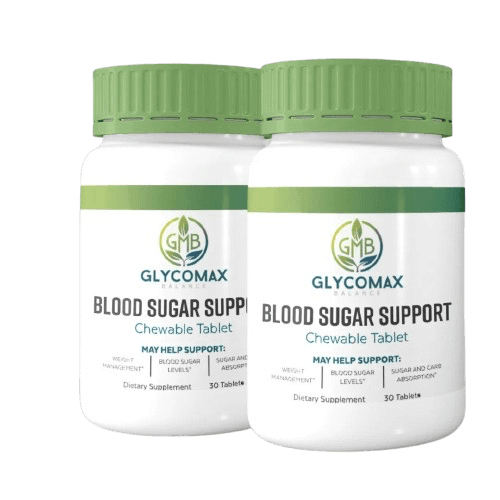
Based on the supplied transcript, Elixir Antidiabetes - Glycomax is positioned as a blood sugar solution for people with type 2 diabetes who feel failed by conventional care. The VSL does not initially define it as a capsule, powder, tincture, cookbook recipe, or packaged supplement. It calls the central promise a simple natural recipe, an anti diabetes elixir, and a glucose reset ritual. That wording matters because it lets the ad sell the feeling of a discovered household remedy before it has to present the commercial product behind the curtain.
The product identity is deliberately secondary to the story. The viewer first receives a problem narrative: cutting carbs has not worked, medications have not restored freedom, and daily monitoring has become a symbol of captivity. Then comes the alleged breakthrough: a three ingredient recipe so effective that celebrities supposedly use it in private. In classic VSL architecture, this creates a bridge from ordinary frustration to extraordinary hope. The product is not just a bottle. It is framed as access to information that was kept from the public.
For affiliates, the important distinction is between category and claim. If Glycomax is sold as a dietary supplement or natural blood sugar support product, that is one category of risk and evidence. A supplement may make properly substantiated structure or function claims, such as supporting healthy glucose metabolism, depending on the evidence and labeling. But this VSL goes far beyond ordinary support language. It says the ritual reversed type 2 diabetes, normalizes blood sugar, gives energy back, flushes a parasite, and can end the condition rather than manage it. Those are disease-treatment claims in substance, regardless of whether the checkout page uses softer language.
The transcript also leaves critical product details unresolved. We are not given a Supplement Facts panel, ingredient forms, serving size, standardization, contraindications, manufacturing documentation, drug-interaction warnings, or trial data on the finished formula. Without those basics, a reviewer cannot responsibly evaluate Glycomax as a formulation. What can be evaluated is the VSL positioning: Glycomax is sold as a simple, natural, fast-acting alternative to the conventional diabetes system, with the ritual language doing much of the persuasion before the viewer can assess the product on ordinary consumer terms.
That makes the offer attractive from a direct response standpoint, because mystery sustains attention. It also makes the offer fragile from an editorial standpoint, because the more the script promises reversal, freedom from medication, and root-cause elimination, the more it needs clinical substantiation. As presented in the excerpt, Glycomax is less a transparent product demonstration than a conversion story wrapped around a concealed mechanism.
The Problem It Targets
The VSL targets two problems at once. The first is the real lived burden of type 2 diabetes. The transcript understands the daily friction: food rules, medication schedules, glucose monitors, fear around meals, guilt after eating, low energy, and symptoms such as tingling and fatigue. Those details are not random decoration. They are the emotional proof that the writer knows the audience. A person who has spent years trying to keep blood sugar in range may recognize the exhaustion instantly.
The second problem is more constructed. The VSL argues that diabetes persists because the viewer has been misled by a profit-driven system and infected or hijacked by a hidden invader. Instead of saying type 2 diabetes is usually tied to insulin resistance, beta-cell stress, genetics, weight, age, lifestyle, medications, sleep, liver metabolism, and other factors, the script compresses the condition into one dramatic enemy: the diabetic parasite. That is the root-cause simplification around which the entire pitch turns.
The emotional move is effective because it relieves blame. The opening says, in essence, that the viewer is not weak, lazy, or undisciplined. Their sacrifice has not failed because they failed. It failed because the wrong enemy was named. In health copy, that is a potent frame. It lets a fatigued prospect keep their dignity while remaining open to a new solution. It also creates an easy reason to disregard previous advice: diets, workouts, and medications did not work because none of them removed the hidden cause.
But that same framing is where the VSL becomes risky. Type 2 diabetes is not a moral failure, but it also should not be reduced to an unsupported parasite theory. The Centers for Disease Control and Prevention describes diabetes as a chronic condition involving how the body turns food into energy, with insulin and blood glucose regulation at the center. It notes that with type 2 diabetes, the body does not use insulin well and cannot keep blood sugar at normal levels. That is a very different explanation from an invader silently destroying the pancreas.
For copywriters, the lesson is not to avoid emotion. The VSL is right to speak to frustration, restriction fatigue, and the desire for normalcy. The problem is that the pitch converts those feelings into suspicion of proven care. When a sales letter tells viewers that nothing works unless they adopt the advertised ritual, it moves from empathy into dependence. The strongest compliant version would keep the emotional truth but stop short of telling people their doctors, medications, and monitoring tools are part of the trap.
How It Works
The proposed mechanism is built around the phrase glucose reset ritual. In the transcript, this ritual is a three ingredient recipe that can be made at home and is said to reset blood sugar in just a few days. The mechanism is not explained biochemically in the excerpt. Instead, it is explained narratively: the body has been hijacked by a hidden diabetic parasite, and the ritual flushes it out. Once the parasite is eliminated, the pancreas can recover, insulin production can resume, metabolism can stop being scrambled, and blood sugar can normalize.
That is clean storytelling. It gives the audience a villain, a reason past attempts failed, and a simple action that seems to unlock everything else. The VSL asks why one person can eat dessert and stay normal while another spikes from a banana. It rejects luck and genetics, then answers with the parasite concept. This is a familiar alternative-health move: take a complicated, variable condition and replace it with a single hidden cause that conventional medicine allegedly refuses to name.
The transcript also links the mechanism to speed. The ritual is not described as a long-term lifestyle support. It is said to work in as little as 14 days and perhaps in just a few days. The narrator says his blood sugar is normal, his energy is back, and he feels decades younger. A testimonial says the person now drinks this every morning and no longer suffers fatigue or tingling. The implication is not modest support; it is reversal and liberation.
Scientifically, the mechanism is the weakest part of the pitch. The excerpt offers no organism name, diagnostic marker, lab method, clinical study, or plausible pathway establishing a diabetic parasite as a cause of type 2 diabetes. There are infections and inflammatory states that can affect metabolism, and parasites can affect human health in many ways, but that is not the same as proving a hidden parasite is the central driver of type 2 diabetes in the American audience being addressed. The VSL treats the phrase as if naming the enemy proves the enemy exists.
For affiliate review purposes, the mechanism should be treated as unsubstantiated unless the advertiser can provide strong evidence. Strong evidence would mean human data on the finished Glycomax product, clear diagnostic criteria, pre-registered outcomes, changes in A1C or fasting glucose, safety monitoring, and replication by independent investigators. Before that exists, phrases like reset, reverse, flush out, and end diabetes create more liability than clarity. They sell a satisfying story, but satisfying is not the same as demonstrated.
Key Ingredients & Components
The most important ingredient fact in the supplied VSL is that the ingredients are not actually disclosed in the excerpt. The audience hears about a simple three ingredient recipe and an anti diabetes elixir, but does not receive the names, amounts, forms, or preparation method of those ingredients. That omission is not accidental in sales architecture. Withholding the recipe sustains curiosity and gives the viewer a reason to keep watching until the pitch transitions to the offer.
From an editorial standpoint, that is a major limitation. A serious assessment of Glycomax would require a label. For a supplement, the minimum reviewable information includes active ingredients, serving size, extract standardization, proprietary blend amounts, inactive ingredients, allergens, manufacturing location, third-party testing, and warnings for people taking diabetes medications. Blood sugar products can interact with prescription therapy by increasing the risk of hypoglycemia, especially when a consumer is also using insulin, sulfonylureas, or other glucose-lowering drugs. Natural does not automatically mean side effect free.
The VSL leans heavily on the category appeal of simplicity. Three ingredients feels understandable and non-threatening. A morning ritual feels easier than a prescription schedule. A drink feels more humane than a finger prick or injection. Those are not ingredient benefits; they are adoption benefits. The copy sells ease, routine, and emotional relief before the viewer knows what is being consumed.
If Glycomax uses common blood sugar supplement materials such as cinnamon, bitter melon, chromium, berberine, gymnema, banaba, inulin, or similar botanicals and minerals, the evidence would still need to be assessed ingredient by ingredient and dose by dose. Some of those ingredients have preliminary or mixed evidence for metabolic markers. None should be casually described as a diabetes cure. More importantly, evidence for a single ingredient is not evidence for a finished product, and evidence for a lab marker is not evidence that a user can stop medication or reverse a diagnosed disease.
Copywriters should notice the gap between the claimed mechanism and the undisclosed components. If the product truly works through a novel parasite-clearing pathway, the ingredients should be central to the proof. The VSL instead keeps them hidden while spending attention on celebrity identity, pharmaceutical fear, and the doctor backstory. That imbalance suggests the persuasion load is being carried by story rather than formulation transparency. A stronger, safer version would show the label, explain what each ingredient can and cannot do, avoid disease-treatment language, and place medication decisions back with a licensed clinician.
Persuasion Hooks & Ad Psychology
The VSL is built from aggressive direct response hooks, stacked in a deliberate order. The first hook is shared suffering. It names carb cutting, medication fatigue, monitoring pressure, food fear, and guilt. The second hook is absolution: this is not your fault. The third is enemy creation, with the pharmaceutical industry accused of profiting while the viewer suffers. The fourth is revelation, with the anti diabetes elixir introduced as information powerful groups do not want public. By the time the product enters, the viewer has been moved from pain to anger to hope.
The celebrity hook is the most conspicuous. The narrator says he is Tom Hanks, references being known from movies and television, and presents himself as a longtime type 2 diabetes sufferer whose condition was reversed by the ritual. This is a shortcut to borrowed trust. A familiar public figure can make an extraordinary claim feel less fringe because the audience already has emotional memory attached to the name. For affiliates, that claim must be verified before it is repeated. If the appearance or endorsement is not authorized, the campaign is not just persuasive; it is potentially deceptive.
The script then adds a fear hook around medications. It names metformin, semaglutide, and tirzepatide, then alleges buried studies, dependency, a pancreatic cancer risk above 300 percent, and WHO alarm. This is designed to interrupt people currently under medical care. The phrase stop everything and listen closely is not the same as explicitly saying stop taking medication, but the surrounding implication is clear: conventional drugs are dangerous and the natural ritual is safer.
Next comes the root-cause hook. The diabetic parasite explains why diets, workouts, and medications supposedly fail. This is classic mechanism reframing. The viewer is told they have been solving the wrong problem, so the new solution can seem superior without having to compete honestly against existing care. Then comes social proof: over 12,000 Americans, a testimonial about pills feeling like torture, and relief from tingling and fatigue. Finally, the doctor figure appears, with Johns Hopkins, decades of experience, a San Francisco practice, research, conferences, family tragedy, and celebrity clientele.
As ad psychology, the structure is forceful. As health communication, it is overloaded. Any one of these hooks could be softened and substantiated. Together, they create a campaign that pressures belief before evidence arrives. The affiliate takeaway is simple: high emotional velocity can lift conversions, but it also magnifies every unverified claim. The more serious the disease, the less room there is for theatrical certainty.
The Psychology Behind The Pitch
The deepest psychological promise in the Glycomax VSL is not lower blood sugar. It is freedom from blame. People with type 2 diabetes often carry a burden that is part medical, part social, and part private shame. The transcript speaks directly to that burden. It says the viewer sacrificed favorite foods, lived under restriction, watched energy fade, and still did not get free. Then it offers a merciful explanation: the viewer was never the problem.
That message lands because it answers a real emotional need. Chronic conditions can make people feel as if they are being graded every day. A high glucose reading can feel like a personal failure even when physiology, stress, sleep, illness, medication timing, and many other variables are involved. The VSL converts that pain into a conspiracy frame. Big Pharma becomes the villain, doctors become silent participants, and the viewer becomes someone who was denied the simple truth.
The next psychological lever is reactance. When people feel controlled by rules, restrictions, prescriptions, and appointments, a pitch that says those rules are the cage can be intoxicating. The VSL repeatedly contrasts management with freedom. It does not merely say Glycomax supports glucose metabolism. It says the viewer can stop feeling like a prisoner inside their own body. That is identity-level copy. It is not selling a supplement; it is selling the return of a former self.
Fear is layered on top of relief. The mention of pancreatic cancer, dependency, media silence, and suppressed studies raises the cost of inaction. If the viewer continues with ordinary treatment, the VSL suggests they are not just missing an opportunity; they may be exposing themselves to hidden danger. Loss aversion then makes the ritual feel urgent. A simple drink appears low risk compared with the frightening portrait of medication.
The doctor story adds moral drama. Dr. May Wong or Wang is presented as a conventional believer whose own family suffering forced a conversion. This is a powerful archetype: the insider who trusted the system until personal tragedy revealed the truth. It lets the pitch borrow the credibility of medicine while attacking medicine at the same time. That dual move is common in alternative health funnels because it reassures viewers that the new answer is not anti-science; it is deeper science that ordinary doctors allegedly missed.
For copywriters, the useful part is the emotional sequencing: validate pain, remove shame, restore agency, make the next step feel simple. The dangerous part is the substitution of emotional certainty for evidence. Ethical health copy can honor frustration without inventing a parasite, overstating drug risks, or implying that complex care can be replaced by one ritual.
What The Science Says
The scientific burden on this VSL is unusually high because the claims are unusually strong. It does not merely say Glycomax may support healthy blood sugar. It claims reversal, rapid normalization, root-cause elimination, side-effect-free action, medication danger, and a hidden parasite. Each of those claims would need different kinds of evidence, and the transcript does not provide it.
The baseline medical context is clear. The CDC Diabetes Basics page explains that the body breaks much food into glucose, insulin helps glucose enter cells, and diabetes involves too little insulin or poor insulin use. It also states that there is not a cure yet for diabetes, while weight loss, healthy eating, activity, prescribed medicine, education, and medical appointments can help. That does not mean every patient has the same path. Some people with type 2 diabetes can achieve remission through sustained weight loss, bariatric surgery, intensive lifestyle change, or medically guided treatment changes. But remission is not the same as a universal 14-day cure from a three ingredient drink.
The drug danger claim is also not supported by the evidence cited in the transcript, because the transcript cites none. A PubMed-indexed meta-analysis of randomized trials on GLP-1 receptor agonists reported no clear association with pancreatitis or pancreatic cancer in the available trial data, while also noting that pancreatic cancer data were too scarce for a firm final conclusion. That is cautious science: not a blanket guarantee, but also not the VSL claim of a buried 300 percent risk and a global alarm telling millions to stop. Metformin, semaglutide, tirzepatide, and insulin all have different profiles, indications, benefits, risks, and monitoring requirements. They should not be collapsed into one fear headline.
The parasite claim is the least substantiated. The VSL gives no parasite name, no diagnostic test, no epidemiology, no treatment comparator, and no clinical outcome data. Type 2 diabetes is multifactorial. Reducing it to a secret invader may make the pitch easier to understand, but it does not make the explanation true. Extraordinary disease-causation claims need evidence stronger than testimonials and story logic.
The regulatory context is equally relevant. The FDA has warned consumers about products sold as supplements, homeopathic products, ayurvedics, or unapproved drugs that claim to treat, cure, prevent, or mitigate diabetes. The agency specifically warns that such products can delay proper treatment and may contain undisclosed active ingredients or quality problems. That warning maps directly onto the risk profile of any VSL that positions a natural product as an alternative to supervised diabetes care.
Offer Structure & Urgency Mechanics
The excerpt appears to be from the front half of the funnel, before pricing, bundles, guarantee terms, or checkout mechanics are fully revealed. Even so, the offer architecture is visible. The VSL begins with free information: a recipe, a ritual, a truth, a warning, and a root-cause explanation. This is not a straightforward product demo. It is an education-first funnel in which the education is shaped to make the eventual purchase feel like the obvious continuation.
The urgency starts immediately. Phrases such as that ends today, in the next 57 seconds, stop everything and listen closely, do not click away, do not close this tab, this is your one shot, and stay with me until the end all serve the same purpose. They compress the decision window. The viewer is not invited to calmly compare products or speak with a clinician. They are told the moment is rare, time-sensitive, and potentially life-changing.
The 14-day claim functions as outcome urgency. It suggests the buyer does not have to wait months to know whether the ritual works. For a chronic disease audience, that speed is emotionally attractive. People who have spent years managing blood sugar may find a two-week horizon irresistible. But the shorter the promised timeline, the more rigorous the proof must be. A claim that a supplement supports healthy glucose metabolism over time is one thing. A claim that a ritual changes lives in as little as 14 days and reverses diabetes is another.
Scarcity is implied rather than fully priced in the excerpt. The audience is told this is information powerful interests do not want them to know and that it is their one chance to fix the root cause. That creates epistemic scarcity: not limited bottles, but limited access to forbidden knowledge. Later in a funnel, this often pairs with discounted bottle bundles, expiring bonuses, free shipping thresholds, or a money-back guarantee. If Glycomax follows that pattern, the emotional work has already been done before the visitor sees the cart.
For affiliates, the urgency mechanics are not automatically bad. Deadlines, bonuses, and guarantees can be legitimate when they are true and clearly stated. The problem here is that urgency is connected to medical fear and alleged suppression. A compliant rewrite would separate commercial urgency from health panic. It would avoid suggesting that the viewer must act today to avoid medication harm or permanent disease progression. In health offers, pressure should never replace informed consent.
Social Proof & Authority Claims
The VSL relies heavily on borrowed authority, and those claims need careful auditing. The first major authority asset is the narrator who says, I am Tom Hanks. The script references movies, television, and a decade of type 2 diabetes. It then claims the glucose reset ritual reversed his condition, normalized his blood sugar, restored his energy, and made him feel 20 years younger. If this is a real, licensed endorsement, the advertiser should be able to document it clearly. If it is not, affiliates should not touch it. Celebrity health impersonation or unauthorized endorsement can destroy trust instantly and create serious legal exposure.
The second authority asset is Dr. May Wong or Dr. May Wang. The transcript uses both spellings. It first introduces Dr. May Wong as a brilliant endocrinologist nominated for the Nobel Prize in medicine, then the doctor introduces herself as Dr. May Wang. The intro also calls the doctor he and the man celebrities go to, while the later personal story refers to a husband named John. These may be transcription errors, but in a sales letter that asks viewers to trust extraordinary medical claims, name and identity inconsistencies are not small details. They are due diligence triggers.
The doctor biography is built to sound impressive: Johns Hopkins School of Medicine in 1996, nearly three decades treating type 2 diabetes, a San Francisco practice, published research, conferences around the world, celebrity patients, and a family tragedy involving a husband and daughter. Each component adds credibility. Yet none of it is verifiable from the transcript alone. An affiliate should ask for license records, publication links, institutional confirmation, consent documentation, and clarity on the name discrepancy before repeating any of it.
The third social proof layer is numerical and testimonial. The VSL says the ritual helped over 12,000 Americans break free. A testimonial says pills felt like torture, the person now drinks the ritual every morning, and tingling and fatigue are gone. The line thanks Tom directly. Again, these claims are not impossible in the abstract, but they are unsupported in the excerpt. Strong proof would include real customer identity controls, typicality disclosures, medical measurement context, and clear separation between subjective energy improvements and objective diabetes outcomes such as A1C.
For copywriters, this section is a case study in authority stacking. Celebrity, doctor, institution, Nobel language, patient count, and testimonials all appear before the viewer receives ingredient evidence. That may boost perceived credibility, but it also means the entire promotion is only as strong as its proof file. If any major authority claim fails verification, the rest of the pitch becomes harder to believe.
FAQ & Common Objections
This VSL raises obvious objections because it makes unusually large promises. A good affiliate review should answer those objections plainly rather than letting the sales page define the terms.
- Is Glycomax presented as a cure for type 2 diabetes? The transcript avoids only some formal wording, but the substance is cure-like. It says the ritual reversed the narrator's condition, normalizes blood sugar, ends the condition rather than manages it, and fixes the root cause. Those are not modest wellness claims.
- Is there evidence for a diabetic parasite? The excerpt provides none. It gives the phrase, assigns it several effects, and builds the mechanism around it, but does not name a parasite, show a diagnostic method, or cite clinical research proving it causes type 2 diabetes.
- Should viewers stop taking metformin, semaglutide, tirzepatide, or insulin? No sales video should be the basis for stopping prescribed medication. The transcript's medication warning is one of the most concerning parts of the pitch. Diabetes treatment changes should be made with a licensed healthcare provider who can monitor glucose, A1C, kidney function, side effects, and hypoglycemia risk.
- Does natural mean side effect free? No. Botanicals, minerals, and concentrated extracts can cause side effects, interact with medications, or create problems for people with kidney disease, liver disease, pregnancy, surgery plans, or complex medication regimens. A natural claim is not a safety study.
- What about the 14-day timeline? Blood glucose can change quickly when diet, medication, hydration, illness, stress, or activity changes. But a durable diabetes outcome requires measured follow-up, not a short testimonial window. A1C reflects roughly the prior three months of glucose exposure, so a 14-day claim should be interpreted carefully.
- Can affiliates promote this offer safely? Only with a verified proof file and materially softened claims. The current transcript includes celebrity, disease reversal, drug danger, WHO alarm, parasite, and doctor authority claims that require documentation. Without that, the safer editorial stance is critical distance.
The common thread is substantiation. The VSL asks viewers to trust a story before it gives them the evidence needed to evaluate a health decision. That is backwards for a serious condition. The more vulnerable the audience, the more transparent the proof needs to be.
Final Take
As a piece of direct response writing, the Elixir Antidiabetes - Glycomax VSL is undeniably forceful. It understands the target customer's frustration, opens with concrete diabetes burdens, removes shame, creates a villain, introduces a secret mechanism, layers celebrity and medical authority, and keeps the viewer moving with urgency. For a copywriter studying hook density, emotional sequencing, and curiosity control, there is plenty to examine.
As a health product promotion, however, the VSL has serious weaknesses. The largest claims are not merely bold; they are unsupported in the transcript. Reversing type 2 diabetes through a three ingredient ritual, flushing a diabetic parasite, restoring insulin production, helping 12,000 Americans break free, causing change in as little as 14 days, and warning that major diabetes medications raise pancreatic cancer risk by over 300 percent are all claims that require high-quality evidence. The excerpt does not provide it.
The authority layer also needs scrutiny. The claimed Tom Hanks endorsement must be verified before any responsible affiliate repeats it. The doctor identity needs cleanup and proof, especially because the transcript shifts between Wong and Wang and contains inconsistent gender references. The Nobel nomination language, Johns Hopkins background, celebrity clientele, and patient stories all need documentation. In health marketing, authority is not a decoration. It is a factual claim.
The balanced verdict is this: Glycomax may be a sellable blood sugar support offer if the actual product has a transparent label, reasonable claims, manufacturing documentation, safety warnings, and a substantiation file. But this VSL, as represented by the transcript, is too aggressive to recommend as-is for compliant affiliate use. The emotional premise can be salvaged; the disease-reversal, parasite, medication-fear, and unverified celebrity elements should be removed or replaced with evidence-based language.
A stronger version would speak to frustration without attacking medical care, describe the product as support rather than a cure, disclose ingredients early, cite finished-product evidence if it exists, tell users to work with their clinicians, and make testimonials typicality-safe. That would produce a less sensational VSL, but a more durable one. Daily Intel's take: compelling copy, high conversion intent, high substantiation risk. Useful to study, risky to run, and not persuasive enough on the science without a much better proof file.
Source-backed reader context
Additional Reviews & Reported Experiences
These statements were presented in the product's sales transcript. Daily Intel did not independently verify the speakers, purchase status, or reported outcomes, and the statements are not used in Product aggregateRating.
VSL proof excerpt 1
Date not stated
My energy is back, my sugar levels are stable, and I'm finally sleeping peacefully through the night.
VSL proof excerpt 2
Date not stated
I didn't have to drink vinegar, take medication, or give up my favorite foods.
VSL proof excerpt 3
Date not stated
I discovered this after watching a short video that was accidentally shown on major news networks like NBC, Fox, and Healthline.
VSL proof excerpt 4
Date not stated
I tried every remedy, every supplement, every so-called miracle solution, but nothing worked.
VSL proof excerpt 5
Date not stated
At first I didn't tell anyone because I thought they'd laugh.
VSL proof excerpt 6
Date not stated
I felt lighter, and I had energy all day long.
Comments(0)
No comments yet. Members, start the conversation below.
Related reads
- DISvsl reviews
Mix de Ervas Naturais Review: Diabetes VSL Analysis
A grounded review of the Mix de Ervas Naturais VSL, from its parasite-driven diabetes story to the science, social proof, offer pressure, and compliance risks.
Read  vsl reviews
Natural Recipe with Manuka Honey - Glyco Pulse Review
A transcript-grounded review of Glyco Pulse's Manuka honey diabetes VSL, including its hooks, evidence gaps, authority claims, urgency mechanics, and affiliate risk.
Read- DISvsl reviews
Verme Diabético - Gluco Visium Review: VSL Analysis
A deep review of the Verme Diabético - Gluco Visium VSL: its parasite hook, fear-led diabetes positioning, proof claims, offer mechanics, and scientific red flags.
Read