MemoryEdge Review: A Close Read of the Memory VSL
A detailed MemoryEdge VSL review examining its salmon-recipe mechanism, fear-based memory-loss hooks, authority claims, science gaps, and affiliate risk.
8,226+
Videos & Ads
+50-100
Fresh Daily
$29.90
Per Month
Full Access
12.5 TB database · 72+ niches · 20 min read
Introduction
The MemoryEdge VSL does not begin like a conventional brain-health presentation. It opens with accusation. The viewer is told that big corporations are profiting by selling expensive and ineffective treatments, that the industry has created a cycle of false promises, and that an important discovery is being hidden from ordinary people. Before MemoryEdge is positioned as a product, it is positioned as an act of exposure.
That choice matters. This is not a soft wellness pitch about staying sharp. It is a high-stakes memory-loss narrative built around fear, injustice, and rescue. The transcript moves quickly from everyday forgetfulness to the possibility of cognitive diseases. The viewer is asked to imagine forgetting keys, names, appointments, and details of life, then to imagine a future where those lapses stop. The sales argument is emotional before it is nutritional.
The specific hook is the claim that a Harvard-related study identified dangerous brain-sucking toxins that travel to the brain, latch onto neurons and synapses, and drain memories. MemoryEdge then introduces a strange medicinal salmon recipe, explicitly differentiated from omega-3 and fish oil, as the hidden solution that can deep-clean the brain and restore short-term memory to that of someone half the viewer's age. The pitch also references an Oxford five-question test, 72,000 men and women worldwide, named drugs such as Exelon and Aricept, and a narrator called Nathan Caldwell, presented as a brain-health and anti-aging researcher with books, articles, and a personal family story.
For Daily Intel readers, the useful question is not simply whether the VSL is persuasive. It is. The more important question is where the persuasion is earned, where it is inflated, and what an affiliate or copywriter should treat as a conversion asset versus a compliance hazard. MemoryEdge has strong direct-response architecture: villain, secret, mechanism, authority, testimonial, future pacing, and urgency. It also makes extraordinary memory, Alzheimer's, dementia, and Parkinson's claims that require a much higher evidence bar than the excerpt supplies.
This review evaluates the VSL as a sales asset and as a health claim vehicle. The verdict is balanced: MemoryEdge's presentation is tightly engineered and emotionally aware, but its most dramatic biological promises are unsupported in the transcript and should not be repeated without hard substantiation.
What MemoryEdge Is
Based on the transcript, MemoryEdge is presented as a natural memory-loss solution built around a peculiar medicinal salmon recipe. The pitch repeatedly insists that this recipe has nothing to do with omega-3 or fish oil, which is an important positioning move. The market is crowded with brain supplements promising DHA, fish oil, nootropics, mushrooms, B vitamins, or herbal circulation support. MemoryEdge tries to step outside that saturated frame by saying, in effect, this is not the thing you have already tried.
The VSL does not clearly disclose, in the excerpt provided, whether MemoryEdge is a capsule, liquid, powdered formula, recipe protocol, digital guide, or bundled supplement offer. That lack of product form is not unusual early in a long VSL, but it is important analytically. The first act of the script sells the belief system, not the SKU. It teaches the viewer that the real cause of memory decline is hidden brain toxins, that mainstream options fail, and that the natural solution has been suppressed. Only after that belief is installed can the offer feel like the logical next step.
MemoryEdge is also more than a product name inside the pitch. It functions as a promised identity reversal. The viewer is not just buying help with forgetfulness. They are being invited to stop worrying about memory lapses, regain mental clarity, organize thoughts effortlessly, sleep more peacefully, preserve independence, and feel younger. That is why the copy reaches beyond recall into anxiety, confusion, and fear of losing control.
For affiliates, the correct category is not simply memory supplement. The VSL is a cognitive-health fear-and-relief offer with disease-adjacent framing. It names Alzheimer's, dementia, and Parkinson's. It contrasts the proposed solution with drugs the audience may recognize, including Aricept and Exelon, and likely Namenda, although the excerpt renders the name as Menda. It also implies that doctors and pharmaceutical companies are blocking access to the natural solution because it cannot be patented.
That framing can convert, especially with older audiences or adult children concerned about a parent. But it also means the offer should be reviewed with a stricter lens than a general focus or productivity supplement. A responsible review should look for ingredient disclosure, dosage, safety information, contraindications, customer terms, clinical evidence, and whether the final order page softens or repeats the disease-prevention language used in the VSL.
The Problem It Targets
MemoryEdge targets one of the most emotionally charged problems in the health market: the moment when ordinary forgetfulness starts to feel like a warning sign. The transcript names small, familiar failures: forgetting keys, forgetting a friend's name, missing appointments, losing track of tasks, struggling to organize thoughts, and feeling mental fog. These are deliberately everyday examples. They make the pitch accessible to viewers who may not have a diagnosis but who recognize the anxiety of noticing their memory change.
The VSL then expands those small lapses into a larger threat. The viewer is told there should be no more worries about brain fog, memory lapses, or fear of cognitive diseases. That phrase matters because it bridges two audiences. One audience is frustrated by day-to-day forgetfulness. The other is afraid those lapses are the beginning of Alzheimer's disease or dementia. The pitch lets both groups see themselves in the problem without forcing a clinical label too early.
The script also works hard to remove blame. It says there is nothing wrong with you, and it is definitely not your fault. That is a classic but effective move in health copy. Many people with memory complaints feel embarrassment, shame, or fear of being dismissed. By telling the viewer they are not defective and not responsible, the VSL lowers emotional resistance. The problem becomes external: not age, not genetics, not personal failure, but toxins and a medical industry that supposedly hid the answer.
In the mother-story segment, the problem becomes more intimate. Nathan Caldwell says he watched his mother suffer through memory loss and cognitive decline during what should have been her golden years. Then the mother describes slow thinking and missed appointments. This is a smart escalation. It begins with a relatable symptom, then suggests the viewer may be standing at the edge of a similar decline. The emotional stakes become independence, dignity, and family burden.
For copywriters, the targeting is sophisticated because it does not sell only to people who already identify as patients. It sells to people in the gray zone: older adults who are still independent but anxious, caregivers who are scanning for solutions, and supplement buyers disappointed by previous products. The danger is that the pitch compresses a very broad set of causes into one villain. Memory problems can be related to sleep, stress, medications, depression, thyroid issues, vitamin deficiencies, vascular disease, neurodegenerative disease, alcohol use, and many other factors. A single-toxin explanation is emotionally clean, but medically incomplete.
How It Works
The proposed MemoryEdge mechanism is simple, vivid, and highly visual. According to the VSL, a dangerous class of brain-sucking toxins travels to the brain, attaches to neurons and synapses, and drains memories until lived experience is erased. The salmon recipe is then presented as the way to fight these toxins, deep-clean the brain, stop memory loss, and restore short-term memory.
As copy, this mechanism has obvious strengths. It gives the viewer an enemy they can picture. Neurons and synapses sound scientific. Toxins sound urgent. Draining memories creates a visceral image. Deep-cleaning the brain offers a satisfying counter-image. The mechanism is easy to retell, which is exactly what direct-response copy needs. A viewer does not need to understand neuroscience to remember the pitch: my memory is being drained by toxins, and this recipe removes them.
The VSL also uses a strong mechanism contrast. It says the culprit is not genetics and not aging. That is a major claim because it liberates the viewer from resignation. If the issue is age or inherited risk, the viewer may feel powerless. If the issue is a toxin that can be removed, the viewer has a reason to keep watching and eventually buy. The same contrast appears when the script says the answer does not require drugs such as Exelon, Aricept, or the drug it appears to call Menda.
Scientifically, however, the mechanism as presented is too vague to evaluate. The transcript does not name the toxin class. It does not identify the Harvard study. It does not state whether the toxins are environmental chemicals, metabolic waste products, inflammatory molecules, misfolded proteins, heavy metals, microbial byproducts, or something else. It does not describe a biomarker, a dosage, a trial endpoint, or a population studied. It also does not explain how a salmon-based recipe reaches the brain, crosses or influences the blood-brain barrier, removes the claimed toxins, and produces measurable memory improvement.
That is the central divide in this VSL. The mechanism is commercially strong but evidentially thin. The phrase brain-sucking toxins may be memorable, but it is not a medical category. Affiliates should avoid translating that phrase into factual claim language unless the vendor can provide documentation. Copywriters can study the clarity of the mechanism, but they should also notice what is missing: definitions, evidence, limits, and safety context.
Key Ingredients & Components
The transcript excerpt does not provide a conventional ingredient list. That is the first thing a serious review has to say. We hear about a strange medicinal salmon recipe, but not the actual components, quantities, extraction method, serving size, preparation method, allergen information, or active compounds. The VSL explicitly says the idea has nothing to do with omega-3 or fish oil, which prevents us from assuming the mechanism is DHA, EPA, or ordinary fish-derived fatty acids.
That absence creates a review constraint. It would be irresponsible to invent a MemoryEdge ingredient panel based on common brain-supplement patterns. Many memory products use bacopa, ginkgo, phosphatidylserine, huperzine A, lion's mane, B vitamins, or omega-3. This VSL, at least in the provided excerpt, does not disclose those. It uses the salmon recipe as a curiosity object, not as a transparent formula.
The visible components are therefore narrative components. First is the salmon recipe itself, which functions as the proprietary discovery. Second is the five-question Oxford test, presented as a diagnostic-style tool that reveals whether silent brain toxins are destroying memory. Third is the anti-drug comparison, where the VSL positions the solution against familiar dementia medications. Fourth is the anti-supplement differentiation, where fish oil, omega-3, and nootropics are dismissed. Fifth is the personal proof element, built through Nathan Caldwell and his mother. Sixth is the institutional halo, created by references to Harvard, Oxford, prestigious medical schools, renowned doctors, and hundreds of studies.
For affiliates, this section of the pitch is both useful and dangerous. It gives excellent curiosity angles: why salmon but not fish oil, why memory loss may not be aging, why a five-question test may reveal hidden risk. But without ingredient disclosure, those angles should lead to questions, not certainty. Before promoting MemoryEdge, an affiliate should request the label, the full supplement facts panel if applicable, third-party testing information, manufacturing standards, allergen warnings, and the studies used to support each active component.
There is also a practical buyer issue. A salmon-associated formula may raise concerns for people with fish allergies, dietary restrictions, anticoagulant use, or sensitivity to marine products, depending on what the final product actually contains. If MemoryEdge is not a food recipe but a supplement inspired by one, that distinction needs to be clear. The VSL's mystery may be good for retention, but consumer usefulness depends on specifics.
Persuasion Hooks & Ad Psychology
MemoryEdge uses a dense stack of persuasion hooks, and most of them appear early. The first is the conspiracy-villain hook. Big corporations are said to profit from expensive, ineffective treatments and to hide the real answer. This creates an immediate us-versus-them frame. The viewer is not merely learning about a product; they are being let in on information powerful interests would rather suppress.
The second hook is absolution. The line that there is nothing wrong with you, and that it is not your fault, does heavy emotional work. It removes shame and creates trust. The viewer can accept the diagnosis of the problem without feeling personally attacked. The enemy is outside the self.
The third hook is the strange mechanism. A medicinal salmon recipe that is not fish oil is more intriguing than another brain-health blend. It creates a curiosity gap. Most viewers can guess what omega-3 is, but they cannot immediately guess why salmon would work if the answer has nothing to do with omega-3. That gap keeps attention moving.
The fourth hook is institutional borrowing. Harvard, Oxford, prestigious medical schools, neuroscientists, renowned doctors, and clinical-trial language all appear in the excerpt. None of those references is specific enough to verify from the script alone, but each one lends perceived seriousness. This is a common VSL pattern: use recognizable authority labels before giving the audience enough detail to check them.
The fifth hook is future pacing. The viewer is asked to imagine never forgetting keys, names, or appointments again, and to imagine a calm mind, fewer worries, and deep restorative sleep. This turns an abstract brain-health promise into scenes from daily life. It also expands the product benefit beyond memory into emotional relief.
The sixth hook is urgency through suppression. The VSL says the presentation may be taken down as it goes viral because pharmaceutical companies stand to lose billions. This is not inventory urgency or deadline urgency. It is censorship urgency. The viewer is told that access itself is fragile.
For copywriters, the lesson is that MemoryEdge's hooks are not random. They build a bridge from fear to agency. For affiliates, the caution is that the highest-converting hooks are also the ones most likely to raise substantiation and compliance questions. Disease references, hidden-cure implications, and pharma-suppression claims should be handled carefully.
The Psychology Behind The Pitch
The deeper psychology of the MemoryEdge VSL is about identity protection. Memory loss is frightening not only because it is inconvenient, but because it threatens the viewer's sense of self. Forgetting a name can feel like social embarrassment. Missing an appointment can feel like loss of competence. Fear of dementia can feel like fear of disappearing. The transcript taps into that dread with the phrase memories being drained until every drop of life is erased.
That image is extreme, but it is psychologically precise. Memory is tied to independence, family roles, work competence, and personal history. By framing memory loss as an outside attack, the VSL gives the viewer a way to fight back. The salmon recipe becomes more than a supplement or protocol. It becomes a defense of selfhood.
The mother testimonial is strategically placed because it turns an abstract health concern into a family story. Nathan Caldwell says his mother's decline happened during what should have been her golden years. That phrase is familiar and emotionally loaded. It suggests a stolen season of life. When the mother appears and says she first noticed slower thinking, then missed appointments, the story creates a progression the viewer can map onto their own life. It says, quietly but clearly, small signs can become bigger ones.
The pitch also uses loss aversion. People are often more motivated to avoid losing independence than to gain a marginal boost in cognitive performance. MemoryEdge is not sold as a productivity hack for healthy young professionals. It is sold as protection against decline, confusion, and dependence. That is why the script repeatedly references fear, independence, and diseases associated with aging.
Another psychological lever is betrayal. The medical industry is portrayed as knowing the key but hiding it because the solution cannot be patented. This gives the viewer permission to distrust previous failures. If drugs, fish oil, and nootropics did not work, the reason is not that memory improvement is difficult. The reason, according to the pitch, is that the real answer was withheld. That is emotionally satisfying, but it also narrows the viewer's critical thinking.
The final lever is immediate agency. The viewer is told they can start right now and should watch until the end. The VSL creates a felt crisis, then offers a specific path out of it. This is effective direct response. It is also why the scientific claims need scrutiny: when fear and agency are tightly paired, buyers may move quickly.
What The Science Says
The scientific backdrop is more complicated than the VSL suggests. The National Institute on Aging describes Alzheimer's disease through multiple interacting brain changes, including abnormal protein deposits, neuron communication problems, inflammation, vascular contributions, and progressive damage in memory-related regions. That does not support the VSL's simplified claim that memory loss is not genetics or aging but instead a single unnamed class of brain-sucking toxins.
There is a legitimate scientific idea that harmful biological processes can accumulate in the brain. Researchers study amyloid, tau, neuroinflammation, oxidative stress, vascular injury, metabolic dysfunction, and impaired waste clearance. But turning that field into a claim that a salmon recipe deep-cleans the brain and restores memory is a leap. The transcript does not identify the toxin, the pathway, the clinical evidence, or the objective memory tests used to support the promise.
The CDC also distinguishes normal age-related changes from dementia-related impairment. Occasional forgetfulness is not the same thing as progressive cognitive decline that disrupts daily life. That distinction matters because the MemoryEdge pitch intentionally blurs the line between forgetting keys and fear of Alzheimer's. Viewers with worsening memory, missed appointments, personality changes, disorientation, medication errors, or trouble managing daily activities should seek medical evaluation rather than rely on a VSL diagnosis or five-question quiz.
The claim that fish oil, omega-3, and nootropics do not work is also too broad. Some supplement categories have mixed or disappointing evidence, and many products are overmarketed. But failure of one category does not validate another. A negative argument against fish oil is not proof for a hidden salmon-derived formula, especially when the formula is not disclosed.
The disease-prevention language is the highest-risk area. The VSL says the solution protects against Alzheimer's, dementia, and Parkinson's. For a supplement or natural product, that is an extraordinary claim. The FDA explains that dietary supplements cannot be marketed to diagnose, treat, cure, or prevent disease in the way drugs can. Structure-function language such as supports memory is very different from claiming protection against Alzheimer's disease.
A fair scientific reading is this: MemoryEdge may be built around ingredients with plausible brain-health rationales, but the transcript does not provide enough evidence to support its strongest claims. Affiliates should ask for human clinical data on the finished product, not just ingredient studies, animal studies, or institution-name references.
Offer Structure & Urgency Mechanics
The excerpt shows the front end of the offer structure more than the checkout mechanics. It does not disclose price, bottle count, guarantee, upsells, subscription terms, shipping, or refund conditions. What it does reveal is the psychological sequence used to prepare the buyer: expose the hidden cause, discredit mainstream options, introduce the unusual salmon mechanism, add authority, deepen fear through the mother story, and warn the viewer to keep watching before the presentation disappears.
The urgency is not built around a normal deadline. There is no timer in the transcript excerpt, no limited batch, and no seasonal discount mentioned. Instead, the urgency is epistemic: this information may be taken down. The VSL says pharmaceutical companies would love to see the presentation removed quickly because the solution could cost them billions. This tells the viewer that delaying is risky because access to the truth may vanish.
That kind of urgency is powerful in health VSLs because it does not feel like ordinary sales pressure. It feels like a warning. The buyer is not just missing a discount; they are risking continued memory decline because the hidden solution could be suppressed. This urgency also justifies the long-form format. The viewer is told to watch until the end because the information itself is rare.
The offer likely relies on a stack that includes the core MemoryEdge solution, the five-question Oxford-style test, the salmon recipe story, and possibly bonuses related to memory, sleep, or brain detox. Even if the final product is a supplement, the perceived offer is larger: a new explanation of memory loss plus a natural route to regain control.
For affiliates, the missing checkout details are not minor. Before sending traffic, review the order page and post-purchase flow. Look for recurring billing language, multi-bottle discounts, trial terms, shipping fees, refund windows, contact information, and whether the guarantee is easy to understand. Health buyers in this category may be older, worried, or buying for a parent, so clarity matters.
For copywriters, the urgency mechanic is a case study in suppression-based scarcity. It can increase watch time and conversions, but it creates risk when tied to claims about pharmaceutical companies, disease treatment, and hidden cures. If the vendor cannot substantiate the claim that powerful interests are trying to suppress the presentation, affiliates should avoid repeating it in presell pages or emails.
Social Proof & Authority Claims
MemoryEdge leans heavily on authority, but much of that authority is presented in broad strokes. Nathan Caldwell says he has been a brain-health and anti-aging researcher for over two decades, has published hundreds of scientific articles and three books, reached over 72,000 people worldwide, and wrote an Amazon bestseller called The Truth About Memory Loss. Those details are specific enough to feel credible, but the excerpt does not provide links, publication names, journal citations, ISBNs, or credentials.
The 72,000 figure is especially important because it appears twice in spirit: first as men and women around the world who have followed the steps, then as people reached by Caldwell's work. But reached is not the same as treated, enrolled, studied, or verified. If 72,000 means customers, subscribers, readers, viewers, or patients, the meaning changes materially. A strong affiliate review should not convert that number into clinical proof unless the vendor documents outcomes.
The script also borrows authority from institutions. Harvard is invoked for the toxin discovery. Oxford is invoked for the five-question test. Prestigious medical schools are invoked for cutting-edge neuroscience. Renowned doctors in the United States are said to be using the solution. These references are potent because they compress trust. But they remain unresolved in the excerpt. We are not told the study title, researchers, department, test name, validation data, or doctor names.
The mother story supplies a different kind of proof. It is not institutional; it is intimate. The viewer sees a son and mother discussing her early symptoms and implied recovery. This can be more emotionally persuasive than citations because it resembles lived experience. It also raises the standard for disclosure. Was her memory issue diagnosed? Was it mild cognitive impairment, medication-related, sleep-related, depression-related, nutritional, or something else? What changed? How long did it take? Were objective tests used? The excerpt does not answer those questions.
There is nothing wrong with using story, credentials, or customer experience in a VSL. The issue is precision. Authority claims should be auditable. If Caldwell is a researcher, the review should be able to find his publications. If the book was an Amazon bestseller, the category and date matter. If renowned doctors use the solution, their names and contexts matter. If Harvard or Oxford research supports the claim, the exact papers should be cited.
For affiliates, social proof here is promising but not complete. Treat it as a list of verification tasks, not as finished evidence.
FAQ & Common Objections
Is MemoryEdge presented as a cure for dementia or Alzheimer's? The VSL language comes close to disease-claim territory by saying the solution protects against Alzheimer's, dementia, and Parkinson's. A careful reviewer should not call it a cure, and affiliates should not imply it can treat or prevent diagnosed disease unless there is drug-level substantiation and appropriate regulatory status.
Is the salmon recipe just fish oil? The transcript explicitly says no. That is part of the hook. The problem is that it does not tell us what the relevant salmon-derived or salmon-associated component actually is. Until the ingredient list is disclosed, the claim remains a curiosity device rather than a clear mechanism.
Can buyers stop medications such as Aricept, Exelon, or Namenda? No responsible review should suggest that. The VSL contrasts MemoryEdge with those drugs, but medication decisions belong with a clinician. This is especially important for anyone diagnosed with mild cognitive impairment, Alzheimer's disease, Parkinson's disease, or another neurological condition.
Does the five-question Oxford test diagnose brain toxins? The excerpt says the test reveals whether silent brain toxins are destroying memory. That is a dramatic claim. Without the name of the test, validation data, and clinical context, it should be treated as a screening or engagement tool, not a diagnostic instrument.
What proof should affiliates request? Ask for the full ingredient panel, manufacturing details, clinical references, substantiation for the Harvard and Oxford claims, customer outcome data, refund rates, adverse-event handling, and compliance guidance. Ingredient studies are useful, but the strongest evidence would be human data on the finished MemoryEdge product.
Who is the likely target buyer? The pitch is written for older adults worried about forgetfulness and for family members who fear a loved one's decline. It is less suited to young nootropic buyers looking for productivity or focus. The language is about independence, memory lapses, and fear of cognitive disease.
What is the biggest objection? Trust. The VSL asks viewers to accept unnamed toxins, unnamed Harvard research, an unnamed salmon mechanism, unnamed doctors, and broad disease-protection claims. The emotional story is strong, but the factual scaffolding needs verification before a reviewer can endorse the product confidently.
Final Take
MemoryEdge is a strong VSL from a direct-response perspective. It understands the emotional weight of memory loss and builds a clear path from fear to hope. The opening villain is memorable. The salmon recipe differentiates the offer from generic brain supplements. The mother story humanizes the stakes. The references to Harvard, Oxford, doctors, and drug failures add perceived authority. The future pacing is concrete enough for viewers to picture daily relief.
But the same elements that make the pitch compelling also make it risky. The transcript's strongest claims are not modest structure-function claims about supporting memory. They include stopping memory loss, regaining the short memory of someone half the viewer's age, deep-cleaning the brain, and protecting against Alzheimer's, dementia, and Parkinson's. Those are major health claims. The excerpt does not provide the evidence required to support them.
The biggest analytical issue is specificity. We do not know what the brain-sucking toxins are. We do not know which Harvard study is being referenced. We do not know the Oxford test name. We do not know the exact salmon-derived component. We do not know whether MemoryEdge has been tested as a finished product in humans. We do not know the product form, dose, price, guarantee, or safety profile from the excerpt. A persuasive story is not a substitute for those details.
For affiliates, MemoryEdge may be attractive because it has obvious hooks for cold traffic: hidden cause, strange recipe, memory fear, family story, anti-pharma angle, and test-based engagement. However, promoting it responsibly requires tight compliance controls. Presell pages should avoid repeating disease-prevention claims, should not advise against medical care, and should clearly distinguish between supporting cognitive health and treating cognitive disease.
For copywriters, the VSL is worth studying for structure. It shows how to make a mechanism concrete, how to absolve the reader, how to move from symptom to stakes, and how to make an ordinary product category feel new. The lesson is not to copy the claims wholesale. The better lesson is to pair vivid mechanisms with verifiable evidence.
Daily Intel's verdict: MemoryEdge is a compelling but evidence-thin memory VSL. It may convert, but its most aggressive promises should be treated as unsupported unless the vendor can produce clear clinical substantiation, transparent ingredients, and compliant claim language.
Comments(0)
No comments yet. Members, start the conversation below.
Related reads
 vsl reviews
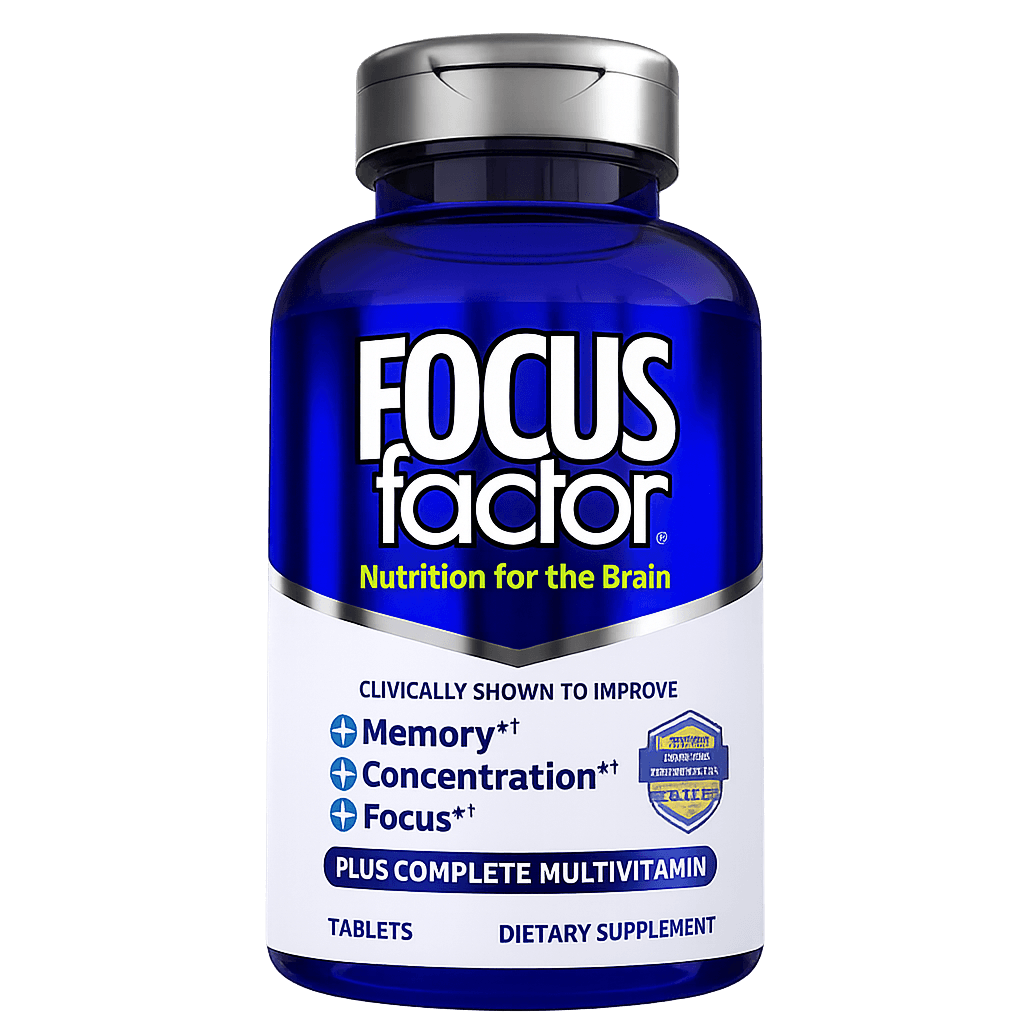
Focusfactor Review: Inside the Propolis Memory VSL
A skeptical Daily Intel review of the Focusfactor propolis memory VSL, its assisted-living story, urgency tactics, evidence gaps, and affiliate risk points.
Read- DISvsl reviews
A Canção do Cérebro Review: Memory VSL Analysis
A detailed editorial review of A Canção do Cérebro, its 7-second memory ritual hook, neurotoxin story, authority borrowing, and where the science does and does not support the pitch.
Read 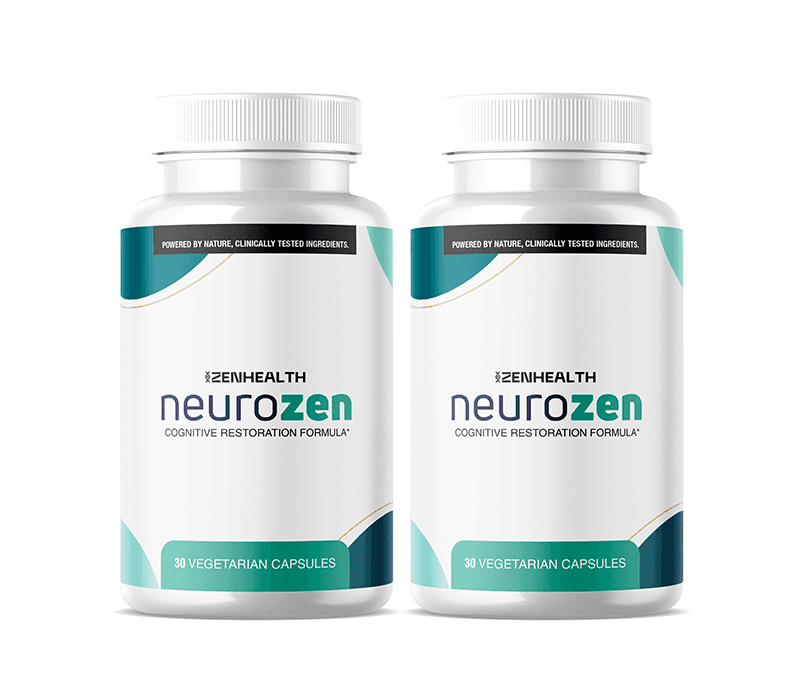 vsl reviews
The Honey Trick - Neurozen Review: Claims, Hooks, and Evidence
A close Daily Intel review of The Honey Trick - Neurozen VSL, covering its Alzheimer's fear framing, sugar mechanism, honey protocol claims, proof gaps, and affiliate risks.
Read