NervoVive Review: The Sciatica VSL Built on Fear, Food, and Authority
A close Daily Intel review of NervoVive's sciatica VSL, including its no-pill ritual hook, authority claims, fear mechanics, and unsupported science.
8,226+
Videos & Ads
+50-100
Fresh Daily
$29.90
Per Month
Full Access
12.5 TB database · 72+ niches · 20 min read
Introduction
The Prêmio Nobel que Elimina a Dor Ciática - NervoVive VSL does not begin like a typical supplement pitch. It opens as a light medical TV segment, with Speaker A joking that sciatica is a huge pain in the butt before widening the complaint to the back, legs, and whole lower body. That first move is important. The copywriter is not starting with an exotic ingredient, a secret doctor, or a lab discovery. The opening begins with the ordinary misery of sciatica, then borrows the familiar rhythm of daytime health programming: a host, a practitioner, a demonstration, a viewer, and a simple at-home promise.
The first named authority is Peggy Brill, presented as a renowned physical therapist who has personally treated the host. The VSL asks her how often people come in moaning and groaning about lower back pain. She answers with a dramatic 85 to 90 percent figure for sciatica at some point in life. Then the camera moves into quick functional checks: walking on heels, walking on toes, bending forward, bending backward, and standing on one leg. For a few moments, the pitch feels grounded. These are physical observations a clinician might plausibly use to decide whether a patient needs a deeper evaluation.
Then the VSL takes a hard turn. The clinical walk-through becomes a seven second quick relief ritual. The proposed remedy is not exercise, posture education, imaging, or a referral pathway. It is pineapple, banana, coconut milk, and three unnamed homemade ingredients that allegedly activate a supernutrient. The authority stack escalates from the physical therapist to Harvard, Cambridge, thousands of studies, American scientists, acidic blood, toxins, abnormal cells, nerve rebuilding, and the possibility of amputation or a wheelchair if the viewer ignores the problem.
That tonal shift is the story of this VSL. As a sales artifact, it is clever because it moves from recognizably human pain to recognizably direct-response fear. As a health claim, it demands much more proof than the excerpt supplies. This review evaluates NervoVive as a VSL and affiliate offer, not as a medical recommendation. The strongest parts are its empathy, visual demonstrations, and simple recipe hook. The weakest parts are the extraordinary mechanism, the Nobel-adjacent product framing, and the unsupported claim that fruit-based activation can repair sciatic nerve damage by fixing acidic blood.
What Prêmio Nobel que Elimina a Dor Ciática - NervoVive Is
Based on the transcript, Prêmio Nobel que Elimina a Dor Ciática - NervoVive is best understood as a sciatica relief funnel built around a natural ritual narrative. The title translates roughly as a Nobel Prize that eliminates sciatica pain, but the excerpt does not identify a Nobel laureate, a Nobel-winning discovery, a published Nobel-related mechanism, or a named prize-connected researcher. That matters. Nobel language is an authority amplifier. If the VSL uses it in the headline but does not substantiate the connection inside the pitch, affiliates should treat it as a claim requiring documentation, not as decorative copy.
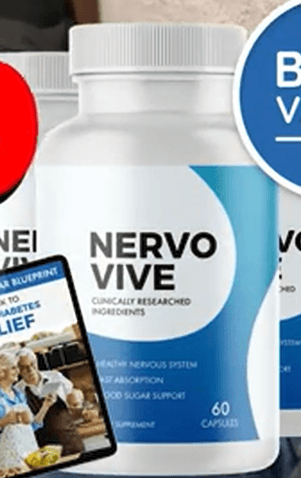
The offer itself is framed as a no-pill pain solution. That phrase gives the pitch immediate appeal to viewers who dislike medications, have tried injections, or feel brushed aside by conventional care. Yet the excerpt never clearly shows the actual commercial product. We hear about a home recipe with pineapple, banana, coconut milk, and three other homemade ingredients. We hear about NervoVive in the product name. We hear about a supernutrient. What we do not get in this excerpt is a supplement facts panel, dosage, ingredient list, manufacturer identity, clinical trial citation, refund policy, price, or fulfillment structure.
That ambiguity may be intentional. Many VSLs delay the product reveal so the viewer first buys into the diagnosis, the enemy, and the mechanism. Here, the product is not introduced as a bottle on minute one. It is introduced as a discovery, a ritual, and a way to activate something already inside the body. This is softer than saying buy these capsules now. It lets the copywriter build curiosity and reduce resistance before the offer appears.
For affiliates, the practical reading is this: NervoVive appears to be positioned as a natural sciatica and nerve-health solution, but the excerpt markets it through an educational-advertorial wrapper rather than a transparent product explanation. That can convert well, especially in pain markets where people are tired of symptom management. It also raises compliance risk, because the VSL appears to cross from structure-support language into disease-treatment language. It claims the ritual can stop tingling, burning, cramping, rebuild nerve health, fix acidic blood, and prevent catastrophic outcomes.
A fair review should acknowledge the attraction. People with sciatica often want a low-effort, non-drug answer they can try at home. The VSL understands that desire. But a fair review also has to say that the product identity is under-explained in the excerpt. If the buyer cannot distinguish between a recipe, a supplement, and a medical treatment claim, the funnel is doing too much persuasion before it has done enough disclosure.
The Problem It Targets
The VSL targets sciatica as both a pain condition and a psychological trap. The physical picture is concrete: pain starting in the lower back, traveling through the buttock, and moving down the leg. Teresa, the viewer testimonial subject, describes moderate pain that slowly becomes severe burning and intense aching. That sequence is effective because it matches how many people talk about radiating nerve pain. They do not describe it in anatomy textbook language. They describe it as burning, tingling, cramping, weakness, or an electric line running down one side of the body.
The opening also targets frustration with standard care. The script names pills, injections, back stretches, therapies, and procedures as things that do not always provide lasting results. This is a classic alternative-health setup, but it is not invented from nothing. Many sciatica patients do cycle through anti-inflammatory drugs, physical therapy, imaging discussions, injections, and surgical opinions. Some improve. Some do not. The VSL finds the emotional opening in that uncertainty.
Where the pitch becomes more aggressive is in how it reframes the cause. Instead of staying with nerve root irritation, disc herniation, spinal stenosis, muscle spasm, or other recognized contributors, it tells the viewer that doctors may be missing acidic blood and toxins. It then expands sciatica into a broader neuropathy threat. The viewer is warned that a simple burning in the hand, leg, or back could become generalized neuropathy, amputation, or life in a wheelchair. This is not just problem agitation. It is problem escalation.
That escalation serves a conversion purpose. It changes the viewer's internal question from can I tolerate this pain until my next appointment to am I ignoring the hidden cause that could destroy my independence. Once the stakes become independence, mobility, and amputation, the pitch no longer has to sell only relief. It can sell prevention, control, and rescue from a medical system portrayed as inattentive or corrupt.
The most effective part of the problem framing is the initial specificity. Heel walking, toe walking, bending, and single-leg balance make the body visible. The least defensible part is the leap from sciatica to acidic blood and abnormal cells feeding on nerves. That leap is not established by the excerpt. It is asserted. For copywriters, this is the difference between vivid problem recognition and speculative pathophysiology. The former builds trust. The latter can drain trust if the audience or platform reviewer asks for evidence.
How It Works
The proposed mechanism in the NervoVive VSL has three layers. The surface layer is nutritional and friendly: a pineapple, a banana, coconut milk, and three other homemade ingredients taken every morning. The second layer is biochemical but vague: these foods contain or activate a supernutrient that strengthens nerves and restores nerve health. The third layer is threat-based: acidic blood, toxins, and abnormal cells supposedly create an environment that damages the sciatic nerve like a frayed rope.
That layered structure is smart sales writing. The viewer gets a simple action, a mysterious scientific bridge, and a visual explanation. The frayed cord metaphor is especially useful because sciatica can be hard to picture. Most viewers cannot visualize a nerve root or inflammatory cascade, but they can understand a damaged cable sending bad signals. The script then connects that image to tingling, wriggling, burning, and cramping. The mechanism is emotionally clear even when the biology is not.
The problem is that emotional clarity is not medical proof. The transcript does not name the supernutrient. It does not show a dose. It does not explain why pineapple, banana, and coconut milk would combine to activate it. It does not distinguish sciatica from peripheral neuropathy, diabetic neuropathy, or spinal cord disease. It does not provide a controlled study showing that this ritual changes sciatic pain, nerve conduction, inflammation, disc-related compression, or functional outcomes. It says Harvard, Cambridge, and thousands of studies are in favor of the discovery, but those are institutional authority signals, not evidence until the actual research is shown.
The acidic blood claim is the largest scientific burden. In normal physiology, blood pH is tightly regulated. Clinically meaningful acidosis is a serious medical condition, not a casual explanation for routine sciatica. A VSL can talk about inflammation, oxidative stress, metabolic health, and nutrient status with nuance. This one uses acid as a villain that explains pain, toxicity, nerve holes, and wider neuropathy. That is a much bigger claim than the script earns.
For a buyer, the practical takeaway is simple: the VSL proposes that a home ritual can correct an internal toxic-acid state and allow nerves to rebuild. That is not the same as saying the ritual may support general nutrition. It is a disease-mechanism claim. For affiliates, the distinction is critical. Selling nerve support is one risk profile. Selling the reversal of sciatic nerve damage, especially with warnings about amputation and wheelchair dependence, is another. Unless the full funnel supplies strong human evidence, this mechanism should be treated as unsupported and potentially noncompliant.
Key Ingredients & Components
The named components in the excerpt are pineapple, banana, coconut milk, and three unnamed homemade ingredients. The VSL does not present them as ordinary breakfast items. It turns them into a ritual. That word matters because ritual implies repeatability, simplicity, and a small daily act with outsized payoff. It also avoids the harder commercial question of whether the viewer is buying a supplement, a recipe guide, a protocol, or a bottle called NervoVive.
Pineapple brings a built-in health halo because many consumers associate it with bromelain and inflammation. Banana brings familiarity, potassium, and comfort. Coconut milk brings fat, tropical naturalness, and a smoothie-like delivery system. Even before the unnamed ingredients appear, the recipe sounds approachable. It is not bitter roots, rare fungi, or intimidating powders. It is breakfast. That lowers friction and makes the promise feel safer than a drug.
But none of the named ingredients, as presented in the excerpt, are shown to eliminate sciatica. The script claims each fruit contains a super nutrient and that the combination can activate it in the body. It does not identify whether the claimed agent is bromelain, potassium, medium-chain triglycerides, a vitamin, a polyphenol, or something else. It also does not explain why three other homemade ingredients are necessary. The missing specificity is not a minor issue. In health copy, unnamed actives are where curiosity turns into opacity.
The VSL also uses components that are not ingredients in the nutritional sense: the quick tests, the demonstration with Teresa, the frayed cord image, and the promised video within the video. These are proof components. The heel-walk and toe-walk checks make the opening feel clinical. Teresa's before-and-after movement suggests visible transformation. The frayed cord gives the viewer a cause. The instruction to watch carefully and write down the recipe creates active participation.
For copywriters, the component stack is more interesting than the ingredient stack. The pitch makes common foods feel proprietary by surrounding them with authority, urgency, and a hidden activation story. For affiliates, the weak point is substantiation. If the sales page or checkout later reveals a capsule formula, the VSL should clearly connect that formula to the earlier recipe. If it does not, buyers may feel a bait-and-switch. If the offer truly depends on a recipe, then the claim still needs evidence that this specific combination improves sciatica outcomes beyond placebo, natural recovery, or concurrent care.
Persuasion Hooks & Ad Psychology
The VSL's first hook is tonal disarmament. The host jokes about sciatica being a pain in the butt, which makes the topic less clinical and more human. Pain marketing often opens with fear. This one opens with a wink, then uses the host's own experience to create proximity. The host is not outside the problem. She is inside it. That makes the next authority, Peggy Brill, feel less like a distant expert and more like the practitioner who helped a real person on screen.
The second hook is the visible test. Asking a person to walk on heels, walk on toes, bend forward, bend backward, and stand on one leg creates micro-drama. Viewers can imagine trying it themselves. More importantly, it implies that the problem can be read quickly. The pitch uses diagnostic simplicity to set up therapeutic simplicity. If the issue can be spotted in seconds, maybe the solution can also work in seconds.
The third hook is the seven second ritual. Seven seconds is short enough to feel effortless and specific enough to feel invented. A generic daily smoothie would be less clickable. A seven second quick relief ritual sounds like a discovered shortcut. The number also creates a rhythm that affiliates can repeat in ads, subject lines, and bridge pages.
The fourth hook is borrowed authority. Harvard, Cambridge, thousands of studies, American scientists, a renowned physical therapist, and a doctor who freed the narrator from disease all appear in close succession. This creates an impression of consensus without showing the chain of evidence. To a cold viewer, the density of institutional names can feel persuasive. To a reviewer, it looks like a proof burden waiting to be met.
The fifth hook is anti-establishment contrast. Doctors are described as ignoring the true cause, repeating pills and injections, and being corrupted by a pharmaceutical industry mafia. This is a powerful identity cue for viewers who already distrust conventional medicine. It converts disappointment into suspicion and makes the VSL's solution feel like forbidden knowledge rather than a product pitch.
The final hook is catastrophic consequence. Amputation and wheelchair dependence enter the script after the viewer has been primed to believe the hidden cause is spreading. This is the hardest-hitting part of the ad psychology, and also the riskiest. Fear can drive completion rates, but fear tied to unsupported medical outcomes can trigger platform, regulator, and buyer trust problems. The copy is strongest when it dramatizes lived pain. It is weakest when it turns sciatica into an imminent systemic collapse without evidence.
The Psychology Behind The Pitch
Under the surface, this VSL is selling agency. Sciatica is frightening partly because it interrupts ordinary movement. Sitting, walking, sleeping, bending, and getting into a car can all become negotiations. The viewer feels trapped by a body that keeps sending pain signals. NervoVive answers with a morning act the viewer can control. Buy the idea, do the ritual, activate the nutrient, and stop being at the mercy of doctors, pills, injections, and bad luck.
Teresa's testimonial is built to embody that agency. She says she does not like to use medications and identifies herself as more of a naturalist. That line is not filler. It tells the target audience that accepting this pitch is consistent with who they already believe they are. They are not refusing care. They are choosing natural self-direction. In direct response terms, the testimonial does identity work before it does proof work.
The pitch also uses a hidden-cause frame. When pain is persistent, people often ask why me and why has nothing worked. The VSL gives an answer that is emotionally satisfying because it relocates the cause away from age, tight muscles, bulging discs, degeneration, and stenosis. Those causes can feel permanent or discouraging. Acidic blood and toxins, by contrast, sound fixable. A toxic environment can be cleansed. A supernutrient can be activated. A frayed nerve can be rebuilt. The viewer gets a path from confusion to coherence.
There is also a moral frame. The script says doctors are corrupted by the pharmaceutical industry mafia. That phrase creates a villain, and villains simplify decision-making. If the old system is corrupt, the viewer does not have to feel guilty for abandoning it. If the hidden doctor in the story found a simple natural ritual, then buying into the ritual becomes an act of independence.
For affiliates, this psychology is commercially potent but ethically delicate. Pain audiences are vulnerable because they are not only buying comfort. They are buying sleep, mobility, work capacity, and dignity. A good VSL can respect that vulnerability by making narrower claims and encouraging medical evaluation for red flags. This VSL, at least in the excerpt, chooses a more extreme path: it intensifies fear, discredits standard care, and implies rapid relief in the next few hours.
The result is a pitch that may hold attention but may also polarize sophisticated buyers. Someone already skeptical of doctors may lean in. Someone who has had imaging-confirmed radiculopathy, progressive weakness, diabetes, or prior surgery may find the acid-blood explanation too sweeping. The psychology is not random. It is tightly engineered. The question is whether the proof is strong enough to justify the emotional pressure. In the excerpt, it is not.
What The Science Says
Scientifically, the transcript mixes one plausible starting point with several unsupported extensions. The plausible part is that sciatica can cause severe radiating pain, numbness, tingling, and functional limitation. A BMJ clinical update on sciatica describes sciatica as radiating leg pain commonly linked to inflammation or compression of lumbosacral nerve roots. It also emphasizes that many patients improve over time with conservative care such as exercise, manual therapy, and pain management, while urgent referral is needed for serious neurological warning signs such as bladder or bowel-related symptoms or progressive deficits.
The VSL's quick movement checks are not absurd in that context. Heel walking and toe walking can give clues about nerve-related weakness. Range of motion and balance can help a clinician understand function. But those checks do not establish acidic blood, toxin spread, abnormal cells feeding on nerves, or a fruit ritual as the solution. They are screening observations, not proof of the VSL's proposed mechanism.
For low back pain more broadly, the NIH National Center for Complementary and Integrative Health reports that low-back pain is very common and that some complementary approaches may help certain patients, usually with low or moderate quality evidence depending on the modality. The same context is important here: modest support exists for some mind-body and manual approaches, but that does not validate every natural pain product. Evidence for yoga, acupuncture, manipulation, or massage cannot be borrowed to prove that pineapple, banana, coconut milk, and unnamed ingredients rebuild a sciatic nerve.
The strongest scientific red flags in the VSL are the disease claims. It says the ritual can stop burning, tingling, cramping, restore nerve health, cleanse the body, fix acidic blood, aid nerve rebuilding, and prevent outcomes like generalized neuropathy, amputation, or wheelchair dependence. Those are not ordinary wellness claims. They are treatment and prevention claims connected to serious conditions. The FDA's health fraud guidance warns consumers about products promoted for diseases without scientific proof of safety and effectiveness. That warning is directly relevant to funnels that use severe medical outcomes to sell unverified remedies.
A balanced reading is not that nutrition is irrelevant to pain. Metabolic health, diabetes control, inflammation, body weight, sleep, activity, and nutrient status can all matter to musculoskeletal and nerve health. But the transcript does not present a careful metabolic health program. It presents a fast ritual with a sweeping cause-and-cure story. Until the full product discloses clinical evidence in humans with sciatica, the scientific verdict is skeptical. The VSL's recognized symptom language is credible. Its acid-blood and supernutrient repair story is not substantiated by the excerpt.
Offer Structure & Urgency Mechanics
The excerpt is positioned before the hard offer. We do not see the price, guarantee, package tiers, upsells, subscription terms, or checkout language. What we do see is the pre-offer architecture. The VSL first establishes mass relevance, then authority, then a quick self-test, then a low-friction ritual, then proof by Teresa, then a deeper explanatory video. This is a familiar long-form funnel structure: problem recognition, curiosity, mechanism, proof, threat, and eventual product reveal.
The urgency is not classic scarcity. There is no limited stock claim or countdown timer in the excerpt. Instead, the urgency is biological and narrative. The viewer is told that in the next three minutes they will watch the video that transformed Teresa's life. They are told to watch carefully and write down the recipe. They are told relief could happen in the next few hours. Then they are warned that ignoring the issue can allow it to spread through the body. That creates a now-or-danger dynamic without needing a coupon deadline.
This kind of urgency can be more persuasive than artificial scarcity because it feels tied to the viewer's body. If the cause is active right now, waiting feels risky. If the recipe can be written down now, the viewer feels they are one step away from control. The VSL also uses sequence urgency. The phrase in the next three minutes keeps attention locked to the video. The viewer is not asked to buy yet. They are asked to keep watching, which is often the real objective in the first act of a VSL.
For affiliates, the offer structure has both promise and hazard. The promise is that the funnel gives multiple hooks for pre-sell content: no-pill relief, seven second ritual, sciatica self-checks, fruit-based breakfast, hidden cause, and anti-medication positioning. The hazard is that several of those hooks could become noncompliant if repeated loosely in ads. Claims like eliminates sciatica, rebuilds nerves, fixes acidic blood, or prevents amputation should not be used without strong substantiation and legal review.
A cleaner offer would separate urgency from panic. It could encourage viewers to learn why sciatic pain deserves attention, while also advising medical evaluation for severe weakness, numbness, bladder changes, or rapidly worsening symptoms. The current excerpt goes for maximum pressure. That may boost watch time, but it makes the funnel more fragile with ad platforms, skeptical affiliates, and buyers who read health claims carefully.
Social Proof & Authority Claims
The social proof in this VSL is compact but layered. The first layer is Speaker A's personal involvement. The host says Peggy Brill has actually taken care of her. That line makes the authority feel verified by relationship, not just biography. The second layer is Peggy herself, introduced as a renowned physical therapist and practicing clinician. The third layer is Teresa, the viewer brought in as a sufferer who can now walk and live her life after the supernutrient. The fourth layer is institutional proof: Harvard, Cambridge, thousands of studies, and American scientists.
Each layer does a different job. The host builds familiarity. Peggy brings clinical credibility. Teresa represents the target customer. The institutions create a research halo. The doctor who allegedly freed the narrator from an evil disease adds a rescue-story archetype. The viewer is not being asked to trust one source. They are being surrounded by signals that all point in the same direction.
The problem is that the signals are not equal. A physical therapist demonstrating movement checks is a concrete authority moment. A testimonial subject saying she feels better is emotionally relevant but not clinical proof. Harvard and Cambridge are only meaningful if the VSL names the specific study, researcher, journal, and relevance to the product. Thousands of studies is even weaker unless the studies are identified and actually support the precise mechanism. A big number of loosely related studies can sound impressive while proving very little.
Teresa's segment also deserves careful handling. Her story is persuasive because it is visual and specific: pain that ran from low back to buttock to leg, reluctance to use medication, and improved walking. But testimonials cannot establish typical results. They also cannot isolate the cause of improvement unless we know what else changed, how long she had symptoms, what diagnosis she had, whether she used other care, and whether the improvement persisted. A compliant funnel would clarify that individual experiences vary and would avoid implying that a single viewer demonstration proves nerve repair.
The phrase pharmaceutical industry mafia is another authority move, though it works by negative authority. It reduces trust in doctors and medications so the alternative explanation appears more attractive. This can be powerful with distrustful audiences, but it is blunt and risky. It may appeal to some buyers while alienating others who want integrative care rather than conspiracy framing.
Daily Intel's view: the authority architecture is commercially sophisticated but unevenly substantiated. The real-person and practitioner moments are the strongest. The institutional and Nobel-adjacent claims need receipts. Without them, the pitch borrows the emotional force of science without doing the work that scientific credibility requires.
FAQ & Common Objections
Buyers and affiliates are likely to raise the same objections because the VSL makes unusually broad claims from a small set of named ingredients. The best way to evaluate those objections is to separate the pain-market appeal from the proof standard.
- Is NervoVive clearly explained in the excerpt? Not fully. The excerpt explains a ritual, a supernutrient, and a sciatica theory, but it does not clearly disclose the final product format, formula, dose, price, or clinical evidence.
- Does the VSL prove that pineapple, banana, and coconut milk eliminate sciatica? No. The ingredients are named, but the transcript does not provide human trial data showing that this specific combination treats sciatica or repairs sciatic nerve damage.
- Is the seven second ritual a strong hook? Yes, from a copywriting perspective. It is simple, memorable, and easy to visualize. The issue is not the hook's clarity. The issue is whether the claim attached to it is supportable.
- What is the biggest unsupported claim? The acid-blood mechanism. The transcript says toxins create high acid levels that damage nerves and allow abnormal cells to hijack them. That is a sweeping medical explanation, and the excerpt does not substantiate it.
- Should a person with sciatica ignore doctors after watching this? No. Severe or worsening leg weakness, numbness in sensitive areas, fever, trauma, cancer history, unexplained weight loss, or bladder and bowel changes require medical evaluation. A VSL should not replace diagnosis.
- Can affiliates promote this safely? Only with caution. Affiliates should avoid repeating disease-treatment, nerve-rebuilding, amputation-prevention, or guaranteed relief claims unless the advertiser provides legal clearance and credible substantiation.
- Is the anti-pharma angle necessary? It may improve emotional resonance with a natural-health audience, but it also increases polarization and compliance risk. The pitch would be stronger if it criticized overreliance on symptom management without implying broad medical corruption.
- Does the Nobel language help? It helps attention, but only if the connection is real and documented. Otherwise it is a liability because it implies a level of scientific validation the excerpt does not demonstrate.
The common thread is not that every natural approach is worthless. The fair objection is narrower: this VSL asks viewers to accept a very specific medical mechanism without showing enough specific evidence. That is the gap affiliates and buyers should focus on.
Final Take
Prêmio Nobel que Elimina a Dor Ciática - NervoVive is a sharp VSL from a persuasion standpoint and a vulnerable one from a substantiation standpoint. The opening is strong because it begins with lived pain, not product hype. The host's discomfort, Peggy Brill's physical checks, and Teresa's testimonial create a believable first act. The viewer sees movement, hears familiar symptoms, and is offered a simple path that feels less intimidating than drugs, injections, or procedures.
The pitch starts to lose credibility when it moves from sciatica relief to systemic acid, toxins, abnormal cells, nerve holes, spinal cord repair, amputation, and wheelchair fear. Those claims may keep viewers watching, but they also carry the burden of proof. In the excerpt, that proof is not supplied. Harvard, Cambridge, American scientists, and thousands of studies are not enough when the named mechanism is unclear and the product connection is under-explained.
For copywriters, the lesson is useful. The VSL shows how to build attention with a host-practitioner setup, quick self-assessment, a short ritual, a testimonial, and a visual metaphor. It also shows where health copy can overreach. The strongest version of this funnel would keep the approachable ritual and pain empathy while narrowing the claims to support, comfort, mobility, and education unless stronger evidence exists.
For affiliates, the verdict is cautious. This offer may convert with natural pain audiences because the emotional targeting is precise. But repeating the most dramatic claims could create platform and regulatory risk. Affiliates should ask for the full ingredient list, clinical substantiation, compliance guidance, refund terms, and approved claim language before sending traffic.
For consumers, the balanced answer is that sciatica can be serious, painful, and frustrating, and it is reasonable to want non-drug tools. It is not reasonable to treat a fruit ritual as proven nerve repair based on this transcript alone. NervoVive's VSL is compelling as advertising. As science, it needs far more evidence than it shows here.
Source-backed reader context
Additional Reviews & Reported Experiences
These statements were presented in the product's sales transcript. Daily Intel did not independently verify the speakers, purchase status, or reported outcomes, and the statements are not used in Product aggregateRating.
VSL proof excerpt 1
Date not stated
Before it's unbearable, I remember the pain started out moderate and then slowly turned.
VSL proof excerpt 2
Date not stated
Before every morning, my calf had ripping muscle spasms that felt like I was being stabbed.
VSL proof excerpt 3
Date not stated
I remember going to other doctors and just thinking about how to resolve this quickly.
VSL proof excerpt 4
Date not stated
I described it to the last one as pain has always shot down to my foot, but now it's like a constant lower back pain.
VSL proof excerpt 5
Date not stated
I don't know about other people's experiences, but no doctor before Dr. Aaron gave me so much attention.
VSL proof excerpt 6
Date not stated
I had a problematic life at that time, my immunity dropped and soon after I developed neuropathy, I never imagined that this would become my biggest nightmare mainly because I was a very active person and I'm not over 40 yet, but it happened.
VSL proof excerpt 7
Date not stated
I felt like the disease was spreading throughout my body.
VSL proof excerpt 8
Date not stated
Everything I did needed the help of my children and husband, even my relationship.
VSL proof excerpt 9
Date not stated
I never thought I'd say this, but neuropathy almost ruined my marriage.
Comments(0)
No comments yet. Members, start the conversation below.
Related reads
- DISvsl reviews
Placa Nervosa Review: Inside the Nerve Plaque VSL
A skeptical, copy-focused review of the Placa Nervosa VSL, from its nerve plaque mechanism and authority claims to the science, offer pressure, and affiliate risks.
Read - DISvsl reviews
Pink Salt - Mounja Pill Review: VSL Claims, Copy Hooks, and Evidence
A close editorial review of the Pink Salt - Mounja Pill VSL, including its Mounjaro comparison, urgency devices, testimonial logic, and evidence gaps.
Read - vsl reviews
NervoVive Review: Prêmio Nobel que Elimina a Dor Ciática VSL
A Daily Intel breakdown of the NervoVive sciatica VSL, including its authority cues, acid-blood mechanism, ingredient reveal, proof gaps, and affiliate risk.
Read