Vitamin Deficiency - SciatiEase Review: Daily Intel Analysis
A close read of the SciatiEase vitamin-deficiency VSL, from its SND hook and frayed-rope analogy to the evidence gaps behind its nerve-pain promise.
8,226+
Videos & Ads
+50-100
Fresh Daily
$29.90
Per Month
Full Access
12.5 TB database · 72+ niches · 20 min read
Introduction
The Vitamin Deficiency - SciatiEase VSL starts with a question built to stop an older pain sufferer mid-scroll: what is the best vitamin for sciatic nerve pain? From there, the pitch quickly widens into a bigger claim. It says Harvard Medical School has tied warning signs of sciatic nerve decay, shortened to SND, to 40% of adults over 50. It asks whether the true driver of sciatic misery is not a bad back, aging, a spine disorder, stretching failure, CBD failure, or a chiropractor failure, but three common vitamin deficiencies hiding in plain sight.
That opening is not accidental. It compresses the whole sales argument into one tension: the viewer thinks sciatica is mechanical, but the narrator says it is nutritional and inflammatory. The woman in her 60s who allegedly saw shocking results after four days gives the pitch a human face. The claimed 51,000 users give it scale. The promise to put those results against the most recent science gives it an editorial costume. Then Stephen from sciaticaresearchcenter.org appears and says the group includes top sciatica experts, spine surgeons, and Harvard medical doctors. The VSL wants to feel like an investigation before it feels like an offer.
Daily Intel reviews VSLs at the level where affiliates and copywriters actually make decisions: the hook, the mechanism, the proof, the risk, and the consumer value. On those terms, SciatiEase is not a lazy pitch. It has a memorable big idea, a precise audience, a clean enemy list, and a visual metaphor in the frayed rope. It also has claims that need real scrutiny. SND is not presented in the excerpt as a standard medical diagnosis. The inflammatory protein is not named. The Harvard and Stanford references are invoked but not documented in the spoken copy provided. The promise that one vitamin can instantly replenish three deficiencies and relieve discomfort is stronger than the evidence a supplement marketer can usually support.
That is the tension that makes this VSL worth studying. It is commercially sharp because it meets a desperate audience where they are: older adults with burning, stabbing, electric, or pins-and-needles pain who have already tried common remedies. It is also medically risky because sciatica can come from nerve-root compression, disc herniation, spinal stenosis, trauma, tumors, infection, or other issues that should not be waved away by a supplement narrative. A fair review has to hold both realities at once. The VSL is specific enough to be persuasive, but specificity is not the same thing as proof.
What Vitamin Deficiency - SciatiEase Is
Vitamin Deficiency - SciatiEase is positioned as a daily supplement solution for people with sciatic nerve discomfort, especially adults over 50. In the transcript, the product is not introduced first as a bottle. It is introduced as an answer to a newly framed problem: three vitamin deficiencies allegedly causing an inflammatory chain reaction around the sciatic nerve. This matters because the VSL sells the diagnosis before it sells the formula. The viewer is being asked to reinterpret pain, numbness, tingling, and burning as signs of a nutrient-linked nerve state rather than as ordinary sciatica.
Public ingredient material for SciatiEase presents it as a multi-ingredient sciatic nerve support supplement rather than literally one isolated vitamin. The listed components include B vitamins, benfotiamine, palmitoylethanolamide, R-alpha lipoic acid, acetyl L-carnitine, and an herbal blend. That is an important distinction for affiliates. The VSL hook says one vitamin can replenish three deficiencies, but the commercial product appears to rely on a broader nerve-comfort stack. The hook is simpler than the formula.
In practical terms, SciatiEase belongs to the direct-response supplement category: a capsule-based daily product promoted through a problem-agitate-solve VSL. The product is not a physical therapy program, a spinal decompression device, a prescription drug, or a diagnostic service. It is not described in the excerpt as a treatment for a confirmed disc herniation or stenosis, even though the pitch spends a lot of time contrasting itself against those causes. It is a supplement framed as nutritional support for a pain pattern.
The most generous reading is that SciatiEase is trying to serve consumers who suspect their nerve discomfort may have a nutritional or inflammatory component and who want something easier than appointments, procedures, or ongoing hands-on therapies. The less generous reading is that the VSL uses the authority of medical language to make a supplement feel like the missing root cause of a complex clinical symptom. Both readings can be true in different parts of the funnel.
For copywriters, the core positioning lesson is that the product is not sold as another pain supplement. It is sold as the vitamin-deficiency answer to a named condition, SND. That naming gives the VSL an ownable idea. It also raises the burden of proof. If a marketer creates a new label for a consumer's pain, that label needs support beyond confident narration. Otherwise the product risks looking more certain than the underlying science.
The Problem It Targets
The VSL is not targeting sciatica in the broad, clinical sense. It targets a person who has been through the usual circuit of frustration: stretching, massage, chiropractic visits, CBD, TENS machines, and temporary fixes. The transcript says those methods may never address the real problem. That move is central to the pitch. It takes a crowded pain-relief market and tells the viewer that the category itself has been looking in the wrong place.
The symptom list is broad and emotionally accurate. The narrator names mild to severe pain in the back, hips, buttocks, or legs; numbness in the same areas; dullness; electric shock sensations; stabbing or burning; and pins and needles in the legs, toes, or feet. Anyone who has searched sciatica content online will recognize the cluster. By including numbness and tingling as forms of sciatic nerve pain, the VSL expands the eligible audience beyond people with classic shooting pain. That is good conversion strategy, because many sufferers do not use medical vocabulary. They describe sensations.
The clinical weakness is that the transcript treats this symptom cluster as if it points toward one main nutritional explanation. In medicine, sciatica is usually a symptom pattern caused by irritation, compression, or inflammation affecting the sciatic nerve or nerve roots. The causes vary. A person with a bulging disc can have burning down one leg. A person with spinal stenosis can have leg symptoms when walking. A person with diabetic neuropathy, B12 deficiency, or another peripheral nerve disorder can also have numbness or burning, but that is not automatically the same disease process as radicular sciatica.
The VSL's problem statement is powerful because it speaks to emotional exhaustion. The line about sleeping on the side again is a small but effective detail. It is not selling abstract health. It is selling relief from the nightly negotiation of where to place a leg, how to sit, whether to walk, and how to explain pain that other people cannot see. That kind of specificity is one reason the pitch likely resonates with older viewers.
The risk is over-capture. When a funnel tells too many people that their pain may be SND, it can pull in consumers who need imaging, medical evaluation, medication changes, physical therapy, or urgent care. Progressive weakness, bowel or bladder changes, saddle numbness, fever, trauma, cancer history, or severe unrelenting pain should not be routed into a supplement funnel. A responsible affiliate should preserve that boundary clearly.
How It Works
The proposed mechanism is built around a chain reaction. According to the VSL, adults over 50 may be low in three sciatic nerve nutrients. When the body is low in those nutrients, spine surgeons allegedly noticed a 200% to 300% increase in an inflammatory protein. That protein then damages sciatic nerve health, making the nerve look like a frayed rope and leading to pain in the hips, buttocks, and legs. The solution is presented as one vitamin taken each morning to replenish all three deficiencies and directly target the inflammatory protein.
As persuasion architecture, this is clean. It gives the viewer a cause, a villain, a visual, and a ritual. The cause is deficiency. The villain is the unnamed inflammatory protein. The visual is the frayed rope. The ritual is the morning vitamin. A person in pain wants a story that makes sense of chaos, and this one is simple enough to remember after the video ends.
As science communication, the mechanism is incomplete. The transcript does not identify the three deficiencies in the excerpt. It does not name the inflammatory protein. It does not cite the study where spine surgeons observed a two-to-threefold increase. It does not separate inflammatory discomfort from mechanical compression. It says the nervous system can start to repair damage once vitamins are replenished, but it does not define repair, timeline, or measurable outcomes. Those omissions matter because each missing detail is a place where a strong-sounding mechanism can outrun the evidence.
There is some plausible background logic. B vitamins are involved in normal nerve function. B12 deficiency can cause neurological symptoms. Alpha lipoic acid and PEA are often discussed in neuropathic-pain literature. A broad formula that supports nutrient status and inflammatory balance could reasonably be marketed as nerve support. That is different from saying the number one cause of sciatic nerve pain is vitamin deficiency or that one morning capsule can reverse nerve decay.
The frayed-rope analogy is a clever educational device, but it can mislead if taken literally. Sciatic pain can involve nerve irritation, nerve-root compression, local inflammation, muscle involvement, and central pain sensitization. It is not always a nerve fiber physically decaying because of a missing nutrient. The VSL uses the analogy to make the problem feel visible. Copywriters should note how effective that is, but also how easily it can flatten a complex condition into a single sales mechanism.
Key Ingredients & Components
The ingredient stack is more substantial than the one-vitamin hook suggests. SciatiEase's public ingredient page lists Vitamin B2 as riboflavin 5-phosphate sodium at 25 mg, Vitamin B6 as pyridoxal-5-phosphate at 20 mg, folate as calcium L-5-methyltetrahydrofolate at 500 mcg, Vitamin B12 as methylcobalamin at 1 mg, benfotiamine at 300 mg, palmitoylethanolamide at 600 mg, R-alpha lipoic acid at 300 mg, acetyl L-carnitine at 300 mg, and an herbal blend. Other versions of the product copy mention botanicals such as feverfew, passionflower, Chinese skullcap, and oat straw, though the strongest part of the formula story is still the nutrient and lipid-modulator side.
The B-vitamin complex is the most direct bridge to the VSL. B12 is relevant because deficiency can produce neurological symptoms, including numbness and tingling. Folate and B6 are also involved in normal nervous-system function and methylation pathways. Benfotiamine, a fat-soluble thiamine derivative, is commonly used in supplement formulas aimed at nerve comfort, especially in the context of diabetic nerve issues. This gives the formula a reasonable nerve-support rationale.
That rationale should not be overstated. A person who is not deficient in B12 does not automatically get sciatic pain relief from taking a large B12 dose. A person who is deficient may need testing, diagnosis, and in some cases supervised treatment rather than casual supplement stacking. B6 deserves special caution because both too little and too much can be associated with nerve problems; consumers already taking multivitamins, energy products, or neuropathy blends should look at total intake with a clinician or pharmacist.
PEA is the ingredient that best fits the pain-comfort part of the pitch. It has been studied as a fatty-acid amide involved in inflammatory and pain signaling. R-alpha lipoic acid has antioxidant and metabolic logic, though much of the human evidence is in diabetic peripheral neuropathy rather than classic sciatica from a disc or stenosis. Acetyl L-carnitine appears in nerve-support formulas because of its role in energy metabolism and nerve research, but again, ingredient plausibility is not the same thing as product-level proof.
For affiliates, the cleanest claim is that SciatiEase combines B vitamins and other nerve-support compounds aimed at normal nerve function and occasional discomfort. The risky claim is that the formula corrects the true cause of most sciatic nerve pain. The ingredient panel can support a support-positioning argument. It cannot, by itself, prove the VSL's SND framework.
Persuasion Hooks & Ad Psychology
The VSL's first major hook is the disguised quiz: what is the best vitamin for sciatic nerve pain sufferers? It is simple, searchable, and self-qualifying. A viewer who has sciatic pain and believes supplements might help will keep watching. The second hook is institutional: Harvard Medical School is invoked early, before the product has to earn trust on its own. The third hook is novelty: a simple vitamin has allegedly been hiding in plain sight for decades.
Then the pitch adds a tension that direct-response copywriters know well: everything you thought was the cause may be wrong. The transcript says sciatica is not solely caused by back injuries, the piriformis muscle, genetics, or spine disorders such as a bulging disc, disc degeneration, or spinal stenosis. It also says viewers will learn why they should avoid chiropractors, CBD, stretching, massages, TENS machines, and other common remedies. That list creates a common enemy. It tells the viewer that previous failures were not personal failures; they were category failures.
The acronym SND is another persuasive device. Once sciatic nerve decay is named, the viewer can begin to self-diagnose through the symptom checklist. Acronyms make ideas feel established, even when the VSL has not shown that the term is recognized in medical practice. That is a useful lesson for marketers and a warning for compliance reviewers. Naming a mechanism increases memorability, but it also increases responsibility.
The testimonial structure is equally deliberate. One woman in her 60s with seven months of pain provides specificity. Four days provides speed. The 51,000-user number provides mass validation. The narrator's claim that he hired top researchers creates a bridge between anecdote and science. None of that is proof by itself, but it is an effective sequence. It moves from one person to many people to experts, which lets the viewer feel both emotionally seen and rationally covered.
The open loop is obvious and effective: the one vitamin is withheld. Viewers are told to put away distractions and watch until the end. For affiliates, that means pre-sell pages should not casually spoil the mechanism without earning curiosity first. For ethical copywriters, it also means the reveal should eventually be clear, documented, and consistent with the bottle. If the hook says one vitamin and the checkout sells a multi-ingredient formula, the transition needs to be handled honestly.
The Psychology Behind The Pitch
The deepest psychological lever in this VSL is not pain relief. It is loss of control. Sciatic pain can make a person feel betrayed by basic movements: sitting, standing, walking, sleeping, bending, getting into a car. The transcript speaks to that loss by offering a new explanation that is small enough to act on. If the problem is a hidden deficiency, the viewer can do something tomorrow morning. That is a more comforting story than waiting weeks for appointments or being told to tolerate symptoms.
The VSL also uses fear with precision. It does not merely say pain may continue. It says the sciatic nerve is under attack, the damage can get worse, the immune system can be stressed, nearly every other cell can be affected, and mental and emotional anguish may follow. This is classic loss-aversion copy. The cost of inaction becomes larger than the cost of trying the supplement. Whether the claims are adequately supported is a separate question, but the emotional mechanics are clear.
Another important lever is absolution. Many viewers have tried stretching or chiropractic work and felt either temporary relief or no relief. When the VSL says those methods may be temporary because they miss the real problem, it reduces shame. The viewer did not fail. The remedies failed. That shift is commercially powerful, especially in chronic-pain markets where consumers often feel dismissed.
The pitch also mixes distance and intimacy. Institutions such as Harvard, Stanford, spine surgeons, and medical doctors provide distance: the sense that smart people somewhere have validated the idea. Stephen provides intimacy: a named speaker who talks directly and plainly. The Sciatica Research Center identity sits between those two poles. It sounds educational, not retail. That helps the product enter through the side door as information.
For copywriters, the psychology is impressive but volatile. Fear, authority, and relief are legitimate tools when they help people understand a real option. They become manipulative when they imply certainty where the evidence is partial. The strongest version of this pitch would still validate the viewer's frustration, explain the nutritional nerve-support hypothesis, and offer SciatiEase as one possible support tool. It would not need to suggest that common therapies should be avoided across the board or that spinal causes are mostly distractions.
The audience wants hope, but it also wants not to be fooled again. A more nuanced VSL might convert fewer impulse buyers but attract more durable customers, fewer refunds, and fewer compliance headaches.
What The Science Says
The scientific baseline is that sciatica is a symptom pattern, not a single nutrient disease. The National Institute of Neurological Disorders and Stroke discusses sciatica as an example of neuropathic pain and places back-pain management in a broad context that can include medications, procedures, behavioral approaches, physical therapy, lifestyle changes, and some complementary strategies. That does not mean every case requires aggressive medical intervention. It does mean a supplement VSL should be careful about declaring one root cause for a heterogeneous condition.
Vitamin deficiency is a real neurological issue. The NIH Office of Dietary Supplements notes that B12 deficiency can produce neurological changes, and older adults can have absorption issues. That supports the general idea that nutrient status can matter for nerve health. It does not support the stronger claim that the number one cause of sciatic nerve pain in adults over 50 is three vitamin deficiencies, nor does it prove that a high-dose B-complex formula will relieve radicular pain in four days.
PEA is the most interesting ingredient from a sciatica-adjacent evidence standpoint. A peer-reviewed review available through PubMed Central discusses palmitoylethanolamide research and summarizes a double-blind, placebo-controlled trial in 636 patients with low back pain and lumbosciatica, with 600 mg performing better than placebo over 21 days. That is relevant context for SciatiEase because the formula lists 600 mg of PEA. Still, the study context is not identical to proving the finished product, the VSL's SND diagnosis, or the claim of instant nutrient replenishment.
Alpha lipoic acid has a separate evidence trail, mostly around diabetic peripheral neuropathy and oxidative stress. Some reviews find benefits in certain settings; others are more cautious, especially for oral dosing and pain outcomes. Extrapolating from diabetic neuropathy to sciatica caused by a disc or stenosis is a leap. Benfotiamine and acetyl L-carnitine have plausible nerve-support rationales, but they also do not establish the transcript's central causal claim.
The unsupported or under-supported claims should be named plainly. The excerpt does not substantiate the Harvard 40% figure. It does not establish SND as a recognized clinical diagnosis. It does not name the inflammatory protein or show the study behind the 200% to 300% increase. It does not prove that people should avoid chiropractic care, stretching, massage, CBD, or TENS machines. It does not show product-level clinical trials demonstrating four-day relief or nerve repair.
The fair evidence-based view is narrower: SciatiEase contains ingredients that can plausibly support normal nerve function and comfort, and one ingredient has some lumbosciatica-adjacent clinical context. The VSL's biggest claims go beyond that foundation.
Offer Structure & Urgency Mechanics
The excerpt does not provide the full checkout offer, price, guarantee, bundle tiers, shipping terms, continuity details, or scarcity devices. A responsible review should not invent those details. What the transcript does show is a strong pre-offer urgency system. The viewer is told to watch until the end, understand the situation before damage gets worse, and act because the sciatic nerve may be under daily attack. That is urgency without a countdown timer.
The main urgency mechanic is biological escalation. The pitch says pain will never go away if the nerve remains under attack by the inflammatory protein, and it warns that failing to inhibit the protein immediately can cause stress to the immune system and damage to many cells. This makes the cost of waiting feel physical and cumulative. It is more persuasive than a generic limited-time discount because it attaches urgency to the viewer's body rather than to the seller's inventory.
The second mechanic is reveal delay. The VSL repeatedly says the viewer will soon discover the one vitamin, but it does not reveal it immediately. That keeps attention high while the script builds dissatisfaction with alternative remedies. By the time the product appears, the viewer has been coached to believe that stretching, massage, TENS, chiropractic care, and CBD are inadequate because they do not address the alleged root cause.
The third mechanic is friction reduction. One vitamin each morning sounds easy. Compared with appointments, exercises, devices, or recurring hands-on treatments, a capsule feels low effort. That simplicity is part of the offer even before price is shown. The formula's actual multi-ingredient nature does not weaken that daily-use convenience, but it does make the one-vitamin language less precise.
From an affiliate perspective, this VSL likely benefits from pre-sell content that mirrors the viewer's frustration while lowering compliance risk. A pre-sell can discuss nerve-support nutrients, B12 deficiency, and the difference between mechanical and nutritional contributors. It should avoid restating the strongest disease claims as fact. In the United States, supplement marketers also have to respect the line between structure-function support claims and disease treatment claims; the FDA's label-claims guidance is relevant background for that boundary.
A stronger offer page would make the practical details obvious: supplement facts, serving size, total B6 exposure, medication cautions, allergen information, refund policy, whether there is recurring billing, and realistic timing expectations. Urgency can motivate action. It should not obscure buying terms or medical judgment.
Social Proof & Authority Claims
The VSL relies heavily on authority by association. Harvard Medical School appears in the opening claim. Harvard and Stanford are later referenced as places where new research allegedly supports the idea that sciatica is not solely caused by familiar spinal or muscular explanations. Stephen says he is from the Sciatica Research Center, described as a group of top sciatica experts, spine surgeons, and Harvard medical doctors. The narrator also says he hired top sciatic nerve pain researchers to evaluate the vitamin.
That is a dense authority stack, but in the excerpt it is not a transparent one. No named physicians are introduced. No study titles are shown in the spoken text. No Harvard or Stanford researcher is quoted. No credential is attached to Stephen beyond his affiliation with the website. The result is a familiar direct-response pattern: institutions are invoked to raise perceived credibility, while the viewer is not given enough information to independently verify the claims from the transcript alone.
The social proof stack works similarly. A woman in her 60s, seven months of searing back and leg pain, and shocking results after four days creates a vivid testimonial. The 51,000-user claim suggests broad adoption. The reference to hundreds of thousands of Americans using the Sciatica Research Center as an educational resource adds a platform-level proof point. Each claim may be true, but the excerpt does not show the underlying data, review platform, survey method, customer count definition, or typical-results disclosure.
For affiliates and copywriters, this is a key risk area. Repeating a testimonial as a representative outcome can create problems if most buyers do not experience similar speed or magnitude of relief. Repeating institutional claims without documentation can also weaken trust with sophisticated readers. A safer approach is to say the VSL presents those authority and social-proof claims, then separately evaluate what can be verified.
The phrase "put to the test" deserves special attention. It creates the feel of independent review, almost like an investigative segment. If the VSL is produced by or for the product seller, that independence should be clear. Consumers can tolerate salesmanship when it is transparent. They become skeptical when the format looks like a neutral investigation but functions as a product funnel.
Good proof for this offer would include named advisors, links to published studies, a clear distinction between ingredient research and finished-product research, third-party testing, customer-review provenance, refund data, and balanced safety language. The current proof style is emotionally persuasive, but the excerpt leaves too many verification gaps for a fully confident endorsement.
FAQ & Common Objections
- Is sciatic nerve decay a standard medical diagnosis? The excerpt does not show that SND is a recognized diagnosis in mainstream clinical references. It functions as the VSL's branded problem label. Treat it as marketing language unless the seller provides specific medical literature using the same term.
- Can vitamin deficiency cause nerve symptoms? Yes, certain deficiencies, especially B12 deficiency, can contribute to neurological symptoms such as numbness or tingling. That does not mean most sciatica is caused by deficiency, and it does not mean supplementation is the right first step for every pain pattern.
- Is SciatiEase really one vitamin? Based on the public ingredient page, no. It appears to be a multi-ingredient nerve-support formula with several B vitamins plus PEA, R-alpha lipoic acid, acetyl L-carnitine, benfotiamine, and herbs. The VSL's one-vitamin language is a simplified hook.
- Could someone feel better in four days? Pain can fluctuate, placebo response is real, and some ingredients may affect comfort for some users. But one fast testimonial does not prove typical results, product efficacy, or nerve repair. Four-day claims should be treated as anecdotal unless backed by controlled product-level data.
- Should viewers avoid stretching, massage, chiropractic care, CBD, or TENS? Not categorically. Some people get temporary or meaningful relief from conservative care, and some need a clinician-guided plan. The VSL's blanket contrast is persuasive copy, not individualized medical advice.
- Who should be cautious? People with progressive weakness, bowel or bladder changes, saddle numbness, recent trauma, fever, unexplained weight loss, cancer history, severe persistent pain, pregnancy, major medical conditions, or multiple medications should seek professional guidance before relying on a supplement. Anyone already taking high-dose B vitamins should also check total intake.
- What is the best affiliate angle? The strongest compliant angle is nerve-support education: B-vitamin status, occasional discomfort, PEA research, and questions to ask before buying. The weakest angle is repeating the VSL's biggest unverified claims as settled fact.
Final Take
Vitamin Deficiency - SciatiEase has a stronger VSL than many pain-support supplements because it is built around a specific, memorable mechanism. The SND label, the frayed-rope visual, the over-50 audience, the rejection of familiar remedies, and the promise of one morning vitamin all work together. From a copywriting standpoint, the script understands that chronic pain buyers do not merely want another ingredient list. They want an explanation that makes their failed attempts make sense.
The product formula also has more substance than a generic pain blend. B vitamins, methylcobalamin, benfotiamine, PEA, R-alpha lipoic acid, and acetyl L-carnitine all have plausible nerve-support stories. PEA, in particular, has some lumbosciatica-adjacent clinical context. That gives affiliates something real to discuss if they stay disciplined and avoid turning ingredient plausibility into disease-treatment certainty.
The problem is that the VSL's most dramatic claims are not adequately supported in the excerpt. The Harvard 40% statistic, the SND framework, the unnamed inflammatory protein, the 200% to 300% increase, the warning to avoid common remedies, the implication of nerve repair, and the four-day testimonial all require evidence the transcript does not provide. A viewer may still decide the supplement is worth considering, but they should not confuse the VSL's confidence with clinical proof.
Daily Intel's balanced verdict: SciatiEase is a commercially compelling nerve-support offer with a credible ingredient backbone, but the pitch overstates the certainty of its vitamin-deficiency explanation for sciatic pain. It is best framed as a supplement that may support normal nerve function and comfort, not as a proven fix for sciatica or a replacement for medical evaluation. Affiliates who promote it should preserve that distinction. Copywriters studying it should learn from the mechanism clarity while avoiding the unsupported absolutes.
The cleanest way to improve the VSL would be simple: name the three deficiencies upfront, identify the inflammatory protein, cite the Harvard or Stanford work directly, distinguish ingredient studies from product studies, reconcile the one-vitamin hook with the multi-ingredient formula, and add stronger safety language for red-flag symptoms. Those changes would not make the pitch weaker. They would make it more durable, more defensible, and more useful to the exact audience it wants to serve.
Comments(0)
No comments yet. Members, start the conversation below.
Related reads
- DISvsl reviews
Regeneracao Natural dos Nervos - Sofon Review: VSL Breakdown
A detailed Sofon VSL review covering the nerve pain promise, doctor authority angle, ingredients, urgency mechanics, scientific gaps, and affiliate takeaways.
Read - DISvsl reviews
Truque do Vick - Prostapure Review: VSL Claims, Hooks, and Evidence
A detailed Daily Intel review of the Truque do Vick - Prostapure VSL, covering its prostate-health claims, emotional hooks, authority tactics, and evidence gaps.
Read 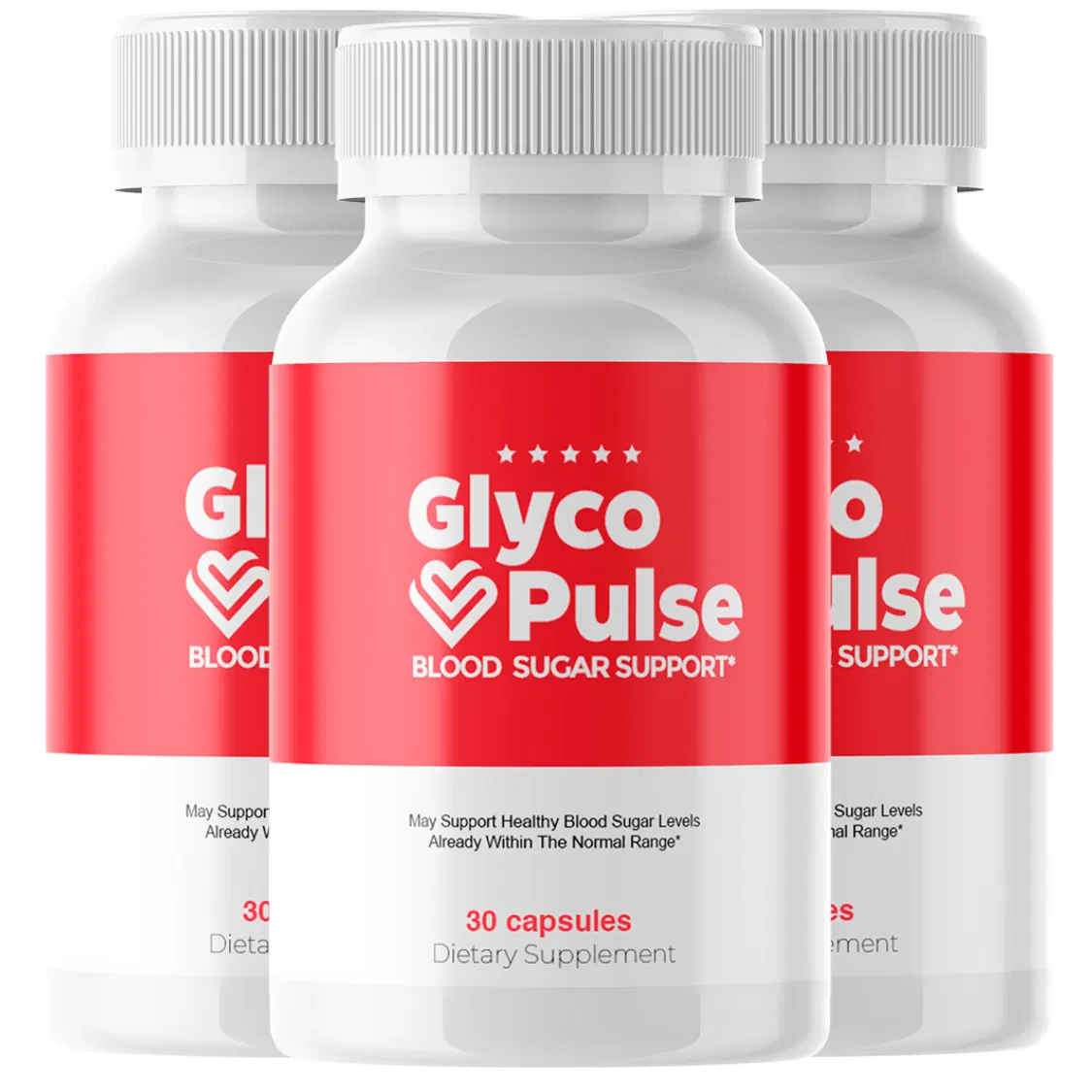 vsl reviews
Natural Recipe with Manuka Honey - Glyco Pulse Review
A transcript-grounded review of Glyco Pulse's Manuka honey diabetes VSL, including its hooks, evidence gaps, authority claims, urgency mechanics, and affiliate risk.
Read