GlucoBalance VSL and Ads Analysis
The video opens in a church. A 70-year-old man is clapping along to "How Great Thou Art" when the left side of his body goes cold, his hand stops working, and someone in the pew shouts for an ambul…
8,226+
Videos & Ads
+50-100
Fresh Daily
$29.90
Per Month
Full Access
12.5 TB database · 72+ niches · 25 min read
The video opens in a church. A 70-year-old man is clapping along to "How Great Thou Art" when the left side of his body goes cold, his hand stops working, and someone in the pew shouts for an ambulance. It is a vivid, emotionally precise scene; the kind of opening that stops a scroll cold, and it is the first of many calculated moves in a Video Sales Letter (VSL) for GlucoBalance, a blood pressure supplement marketed through an elaborate fabricated news-segment format. Before a single product claim is made, the audience has already been handed fear, mortality, spiritual weight, and the implicit promise of rescue. That sequence is not accidental. It is architecture.
What follows that church scene is one of the more audacious pieces of direct-response copywriting circulating in the cardiovascular supplement space: a fake television interview in which Elon Musk, played by an actor or generated through AI voice and imagery, reveals that SpaceX developed a "black salt protocol" to protect astronauts' blood pressure in zero gravity, and that this same protocol is now available to ordinary Americans for $23, having been reduced from $1,600 through an unnamed federal program. Laura Ingraham, also impersonated, conducts the interview. The whole production mimics a Fox News segment with enough fidelity to momentarily suspend disbelief. The analysis below examines why this VSL is constructed the way it is, what it reveals about the persuasion playbook targeting hypertension sufferers, and what any consumer researching this product should actually understand about its claims.
The hypertension supplement market is enormous and growing. According to the CDC, nearly half of American adults, approximately 119 million people, have high blood pressure, and a significant share of them report dissatisfaction with their current pharmaceutical regimen, citing side effects, cost, or inadequate control. That dissatisfaction creates a commercially fertile audience: people who are genuinely suffering, who distrust the system that is treating them, and who are motivated enough to search for alternatives. GlucoBalance, whatever its actual formulation, is designed to meet that audience at their most vulnerable moment. The central question this piece investigates is not simply whether the product works, but how the VSL constructs its pitch, what rhetorical mechanisms it deploys, and what a careful reader should weigh before acting on what they've seen.
What Is GlucoBalance?
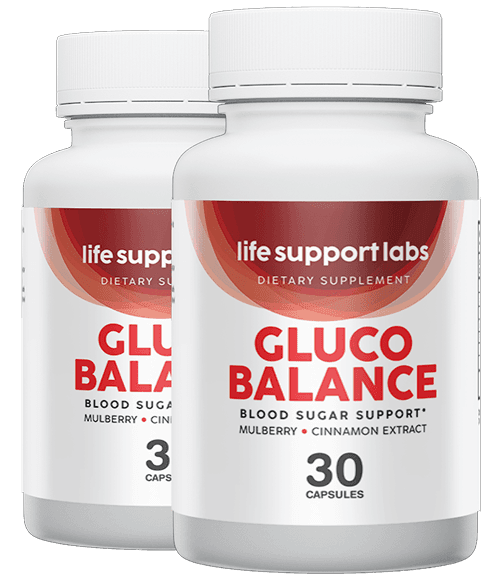
GlucoBalance is presented in the VSL as a three-week "protocol kit" built around a black salt and water solution, a daily regimen designed to normalize blood pressure without pharmaceutical intervention. It is positioned in the cardiovascular supplement subcategory, which sits within the broader health-and-wellness direct-response market. The format is notable: rather than a traditional capsule or tablet, the product is framed as a "space protocol," implying a structured course with a defined endpoint rather than a subscription to an indefinite daily supplement. This framing is deliberate, as it distinguishes GlucoBalance from the crowded field of generic blood pressure pills and associates it with engineering precision rather than folk remedy.
The stated target user is an American adult, typically older (the testimonials feature individuals aged 64 to 68), who has been diagnosed with hypertension, has been on medication for years without satisfactory results, and lives with chronic anxiety about stroke risk. The VSL specifically speaks to people who feel failed by the conventional medical system, those who have taken beta blockers and diuretics and still feel terrible. In market-sophistication terms (a framework Eugene Schwartz outlined in Breakthrough Advertising, 1966), this audience is at Stage 4 or 5: they have seen every generic supplement claim and every "natural alternative" pitch, and they will only respond to a genuinely novel mechanism presented with institutional credibility. The SpaceX framing is the VSL's answer to that sophistication problem.
It is important to note upfront that the "GlucoBalance" brand name does not appear in most of the VSL's spoken content. The product is referred to throughout as the "SpaceX protocol" or "Elon Musk's method." This is a common dark-pattern in direct-response advertising: the celebrity name drives attention and search volume, while the actual product brand operates at a remove, insulating it somewhat from the scrutiny that a celebrity false-endorsement claim would attract.
The Problem It Targets
Hypertension is, by any epidemiological measure, a genuine and serious public health crisis. The American Heart Association estimates that high blood pressure contributes to more than 500,000 deaths annually in the United States, and the condition is the leading modifiable risk factor for stroke and heart disease. These numbers are not manufactured by the supplement industry. They reflect decades of peer-reviewed research and population-level data. The VSL's decision to open with a hypertensive stroke episode is, therefore, grounded in a real and widespread fear. The storytelling may be fabricated, but the underlying terror it addresses is not.
What the VSL does with this real problem is where the analysis becomes critical. The letter frames hypertension not as a complex, multifactorial condition; influenced by genetics, diet, body weight, stress, kidney function, and medication adherence, but as a single system failure caused by the body losing its ability to produce "the right signals to control pressure." This reductionist framing serves a clear persuasive function: if hypertension has one root cause, it can have one root-cause solution. The VSL then argues that pharmaceutical companies have deliberately suppressed this solution because chronic disease is more profitable than a cure. This conspiracy frame, familiar from decades of alternative-health marketing, activates what Festinger identified as cognitive dissonance resolution, if the listener already distrusts Big Pharma (and polling consistently shows a significant share of Americans do), the conspiracy narrative feels like confirmation rather than manipulation.
The VSL cites a specific statistic, "84% of people with hypertension develop irreversible complications within 5-7 years", without attributing it to any named study, journal, or institution. Research published in journals including Hypertension and The Lancet does confirm that long-term uncontrolled hypertension significantly elevates stroke and cardiac event risk, but the specific figure cited is not traceable to a named source. The gap between a real epidemiological reality and an unverifiable specific number is where much of the letter's misleading quality lives: the fear is real, the statistic is not verifiable, and the solution is proprietary. That is a pattern worth recognizing.
The religious dimension of the problem framing is also analytically significant. The opening narrator describes praying for his wife, receiving his minister's license at 70, and hearing God's answer in SpaceX research. This is not incidental color, it is a deliberate alignment of the product with divine provision for a target audience that is disproportionately religious, Southern, and older. The James 4:17 quotation ("if anyone knows the good they ought to do and doesn't do it, it is sin") transforms sharing the product into a moral obligation, making silence about the "cure" feel like spiritual failure.
Curious how the persuasion architecture built on top of this problem frame holds together? The hooks and psychological tactics sections below dismantle it layer by layer.
How GlucoBalance Works
The claimed mechanism of GlucoBalance centers on a concept the VSL calls "restarting the body's pressure-control signaling." According to the fabricated Musk persona, conventional blood pressure medications mask symptoms by temporarily suppressing pressure, but they cannot reproduce the "natural signal" that tells the cardiovascular system to self-regulate. The black salt solution, the VSL argues, provides the right electrolyte environment, specifically a sodium-potassium balance, to restore baroreceptor sensitivity, reduce inflammatory cytokines that cause vasospasm, and strengthen vessel walls. All of this is said to occur within 17 hours of first use.
Let's separate what is established science from what is speculative or fabricated. It is genuinely true that electrolyte balance. Particularly the ratio of sodium to potassium. Plays a significant role in blood pressure regulation. The DASH (Dietary Approaches to Stop Hypertension) diet, developed through NIH-funded research, is built partly on increasing dietary potassium and reducing sodium intake, and the evidence base for that approach is robust. It is also true that chronic low-grade inflammation contributes to endothelial dysfunction and hypertension, and that certain dietary interventions can reduce inflammatory markers. These are real, peer-reviewed findings.
What is not established; and where the VSL departs entirely from evidence-based medicine, is the claim that any single supplement can "restart" baroreceptor function and normalize blood pressure in 17 hours. Baroreceptor reflex sensitivity declines with age and with sustained hypertension, and while research has explored whether exercise, dietary changes, and certain pharmacological agents can improve it, there is no peer-reviewed evidence that a black salt solution produces the effects described. Furthermore, the specific claim that SpaceX developed such a protocol for astronauts and that it has been tested on 30,500 people with 100% success is not supported by any public NASA, SpaceX, or peer-reviewed publication. Elon Musk has never publicly discussed or endorsed a blood pressure supplement. The entire SpaceX framing is fabricated.
Black salt, typically Himalayan pink salt or Indian kala namak, does differ in mineral composition from refined table salt. Kala namak contains iron sulfide and other trace minerals, and Himalayan pink salt contains small amounts of potassium, magnesium, and calcium alongside sodium chloride. However, the quantities of these minerals per typical dietary serving are far below the doses shown to affect blood pressure in clinical studies. The plausible kernel is that replacing refined salt with a mineral-rich alternative might marginally reduce the negative effects of sodium, but that is a far cry from a breakthrough astronaut protocol.
Key Ingredients and Components
The VSL is deliberately vague about the product's precise formulation, preferring evocative language ("natural compounds," "space protocol") over a specific ingredient list. Based on what is stated explicitly and implied, the following components are identifiable:
Black Salt (Himalayan Pink Salt or Kala Namak): The flagship ingredient. The VSL claims it regulates iron levels and eases cardiac workload by restoring sodium-potassium electrolyte balance. Independent research on Himalayan pink salt shows a marginally different mineral profile from refined sodium chloride, but clinical evidence that it meaningfully lowers blood pressure is limited. Kala namak contains iron sulfide, which gives it a distinct sulfurous quality, but therapeutic iron-regulation claims are not supported by current literature.
Potassium Compounds: Implied through the repeated reference to "sodium-potassium balance." Potassium is well-established in the management of blood pressure, a 2017 meta-analysis published in the Journal of the American College of Cardiology found that increased potassium intake was associated with lower systolic blood pressure, particularly in individuals with high sodium consumption. If GlucoBalance contains meaningful potassium, this is the ingredient with the most legitimate science behind it, though the dosage and form matter significantly.
Magnesium: Not explicitly named but implied by references to "natural minerals" and vessel-wall strengthening. Magnesium deficiency is associated with hypertension, and supplementation has shown modest blood-pressure-lowering effects in several trials, including a 2016 meta-analysis in Hypertension (Zhang et al.).
Unspecified "Natural Compounds" for Cytokine Reduction: The VSL references lowering cytokines that trigger vasospasm, but names no specific botanical or nutraceutical agent responsible. This vagueness prevents independent evaluation and is a hallmark of proprietary blends that prioritize marketing over transparency.
Hooks and Ad Angles
The VSL's opening hook, "Last November, I almost died during a church service", operates as a pattern interrupt in the classical direct-response sense: it disrupts the passive attention state of a viewer scrolling through digital content by introducing maximum-stakes narrative before any commercial intent is revealed. The church setting is not arbitrary. It places the near-death experience within a community of shared values (faith, family, congregation), and it allows the narrator's survival to carry theological weight. The audience is not just watching a sick man recover. They are watching a man whom God kept alive for a purpose, and the product will eventually become that purpose. This is an epiphany bridge (a structure popularized by Russell Brunson in Expert Secrets), where the seller's personal transformation becomes the reader's aspirational pathway.
What elevates. Or, more accurately, radicalizes; this hook structure is the pivot to the fake news segment. After the personal testimonial establishes emotional resonance, the VSL shifts to a fabricated Fox News interview format featuring impersonations of Elon Musk and Laura Ingraham. This is a false authority transfer: the emotional credibility built by the testimonial is now reinforced by the institutional credibility of a recognizable news format and two of the most culturally powerful names in contemporary American media. For the target demographic, older, conservative, Fox News-familiar, this is precisely the credibility signal that converts skepticism into openness. The structure is a Stage 4 market sophistication move in Schwartz's framework: the product cannot win on its mechanism alone, so it borrows the authority of figures the audience already trusts unconditionally.
Secondary hooks observed in the VSL:
- "What comes next, powerful interests don't want you to hear"
- "Our team found a leaked copy of the video" (forbidden knowledge frame)
- "We expect all stock to be gone in under an hour" (terminal scarcity)
- "Less than a dinner, less than a tank of gas" (price trivialization)
- James 4:17 biblical citation (moral obligation frame)
Ad headline variations for Meta or YouTube testing:
- "SpaceX Protocol Lowers Blood Pressure in 17 Hours, Doctors Are Baffled"
- "Black Salt vs. Beta Blockers: What Your Cardiologist Won't Tell You"
- "At 68, I Threw Away My Blood Pressure Pills. Here's What Replaced Them."
- "Big Pharma Tried to Block This. Watch Before It's Removed."
- "The $23 Protocol That Does What $400/Month in Medications Couldn't"
Psychological Triggers and Persuasion Tactics
The VSL's persuasive architecture follows what might be called a compound stacking model rather than a sequential one: rather than presenting authority, then fear, then social proof in distinct phases, the letter layers these mechanisms simultaneously and reinforces each with the others. The fabricated Elon Musk persona provides authority. The near-death testimonials provide social proof. The 84% complications statistic provides fear. The Big Pharma conspiracy provides an enemy. The biblical quotation provides moral urgency. These do not appear in a clean linear sequence, they are woven together so that each element amplifies the others, creating a persuasive environment that is difficult to exit once entered. Cialdini would recognize the sequencing; Schwartz would recognize the sophisticated audience it is designed for.
The inoculation against skepticism is particularly well-executed. At multiple points, the fabricated Musk character says directly: "I get the skepticism. When people hear about a solution this effective, they assume it's a scam. But it's not." This is McGuire's Inoculation Theory in direct-response form, by raising and dismissing the objection before the audience can raise it themselves, the VSL reduces the cognitive space available for doubt. Once the skeptical thought has been voiced and reframed by a trusted figure, the listener who then feels skeptical must contend with the internal dissonance of doubting someone who pre-acknowledged and neutralized that doubt.
False Authority (Cialdini's Authority Principle): Elon Musk and Laura Ingraham are impersonated to confer institutional credibility. The specific targeting of a Fox News format for a conservative, older audience demonstrates sophisticated demographic matching of the authority signal to the target avatar.
Loss Aversion (Kahneman & Tversky, Prospect Theory): The scarcity claim, 1,100 units, gone within an hour, 36-month wait for restock, is designed to make inaction feel more painful than action. The asymmetry between the "loss" of missing the product and the "gain" of buying it is deliberately skewed toward fear of missing out.
Social Proof via Saturated Testimonials: Five distinct testimonials from individuals aged 64-68 are presented in rapid succession, each with specific numerical detail ("160 over 100 for 11 years," "from day one"). The specificity mimics the credibility of clinical data without constituting any.
Divine Permission Structure (Godin's Tribes): The religious framing creates an in-group of faith-motivated buyers for whom accepting the product is an act of stewardship over a God-given life, and for whom skepticism carries the implicit charge of refusing divine provision.
Price Anchoring (Thaler / Ariely): The $5,000 pharmacy price, followed by the $1,600 original price, followed by the $23 subsidized price, creates an anchoring sequence that makes the final number feel almost absurdly low. Less than a tank of gas, the VSL says. Regardless of what the product's actual production cost or fair market value might be.
Conspiracy as Curiosity Gap: The claim that Musk's accounts were banned and that the team found a "leaked copy" transforms the product into forbidden knowledge. This activates what researchers call the information gap theory of curiosity (Loewenstein, 1994); people are strongly motivated to close gaps between what they know and what they believe they should know, and framing the product as suppressed information widens that gap artificially.
Inoculation Against Skepticism (McGuire's Inoculation Theory): The preemptive acknowledgment that the solution "sounds too good to be true" and that skepticism is expected defuses the most natural audience response before it can crystallize into exit behavior.
Want to see how these persuasion tactics compare across 50+ VSLs in the health supplement space? That library is exactly what Intel Services is built to provide.
Scientific and Authority Signals
The authority architecture of this VSL is constructed entirely from fabricated or borrowed signals, a finding that should weigh heavily in any consumer's evaluation. Elon Musk has not developed, endorsed, or discussed a blood pressure supplement. SpaceX does conduct research on astronaut cardiovascular health, fluid shifts in microgravity do cause pressure changes, and this is a legitimate area of space medicine, but no public SpaceX or NASA publication describes a black salt protocol as a blood pressure intervention. The VSL takes a real scientific context (space medicine cardiovascular research) and inserts a fabricated product into it, relying on the audience's inability to verify the claim in real time.
The "National Access Health Initiative" cited as the subsidy program that reduced the price from $1,600 to $23 does not correspond to any identifiable U.S. government program. The claim that "our editors confirmed it with doctors and the government" before airing the segment is unverifiable and almost certainly fabricated. The Laura Ingraham impersonation compounds the problem: Fox News and Ingraham have not been associated with any such segment, and using a real journalist's name and likeness without authorization raises serious legal questions under FTC guidelines on deceptive advertising.
The clinical statistics in the VSL exist in a similar zone of fabricated specificity. The claim of testing on "30,500 people of all ages" with "every single person experiencing noticeable relief" is not compatible with any publicly registered clinical trial. The NIH's ClinicalTrials.gov database, the most comprehensive registry of U.S. clinical trials, contains no registered trial matching this description. The "84% complication rate" within five to seven years is a figure that loosely mirrors real epidemiological findings about untreated severe hypertension, but its application here, without a citation, functions as a borrowed statistic used to create fear rather than to inform.
The only scientifically defensible kernel in the VSL is the genuine role of electrolyte balance, particularly potassium and magnesium, in cardiovascular health. That real science exists. The leap from "electrolytes matter" to "our black salt protocol cures hypertension in 17 hours as proven by SpaceX" is not a logical extension of that science, it is a fabrication built on top of it.
The Offer, Pricing, and Risk Reversal
The offer structure of GlucoBalance is a textbook example of what marketers call price contrast stacking, deployed with particular aggression. The anchor moves in three steps: $5,000 (what pharmacies would charge), $1,600 (original protocol price), $23 (subsidized price for the first 200 buyers, later updated to 1,100 units remaining). Each anchor resets the audience's reference point downward, so that $23 arrives not as a product price but as an almost implausible bargain, a psychological posture that makes critical evaluation feel ungrateful. The comparison to "less than a dinner, less than a tank of gas" is a deliberate trivialization of the purchase decision: it frames the transaction as so low-stakes that hesitation seems irrational.
The money-back guarantee is presented as a personal promise from the fabricated Musk character. "I personally guarantee real lasting relief or your money back". Which raises a practical concern. Guarantees are only meaningful when there is an accessible, legitimate entity to honor them. When the authority figure behind the guarantee is a fictional impersonation of a real person, the guarantee functions as theatrical risk reversal rather than meaningful consumer protection. Prospective buyers should verify independently whether a refund mechanism exists, who administers it, and what the documented process is before purchasing.
The scarcity claim; 1,100 units, gone within the hour, 36-month restock delay, functions as a forced decision gate. It is designed to compress the buyer's deliberation window below the threshold at which skepticism becomes actionable. This is a classic application of Kahneman and Tversky's loss aversion: the pain of "missing the last unit" is constructed to outweigh the discomfort of an impulsive $23 purchase. Whether the scarcity is genuine is unknowable from the VSL itself; in most direct-response funnels of this type, scarcity timers and unit counts are dynamic and reset for each new visitor.
Who This Is For (and Who It Isn't)
The ideal buyer this VSL is engineered to reach is identifiable with considerable precision. Demographically: American, aged 58-75, more likely female than male (hypertension prevalence and supplement purchasing both skew female in this age range), based in a mid-size or rural market in the South or Midwest, with a household income sufficient to absorb a small impulse purchase but not high enough to access premium private healthcare with ease. Psychographically: deeply religious, skeptical of pharmaceutical companies and mainstream media (while paradoxically trusting of Fox News-format content), motivated by family continuity (grandchildren appear repeatedly in the aspirational imagery), and carrying several years of frustration with a blood pressure medication regimen that hasn't made them feel well. This person has probably searched YouTube and Google for natural blood pressure solutions before and has not found anything that felt credible or accessible. The VSL's SpaceX framing is designed to feel like a credibility upgrade over the herbal-supplement pitches this audience has already learned to distrust.
If you are researching this product and fit that description, the most important thing to understand is that the core authority claim, Elon Musk's SpaceX developed this, is fabricated. That does not automatically mean the underlying formulation contains nothing of value; black salt, potassium, and magnesium compounds can be legitimate components of a cardiovascular support supplement. But it does mean the entire evidentiary structure the VSL uses to justify both efficacy and urgency is built on false premises, and a purchase decision made on the basis of those premises is not an informed one.
Who should pass on this entirely: anyone whose blood pressure is currently in a range requiring medical management should not substitute an unregulated supplement for prescribed medication without explicit guidance from a physician. Hypertension is a serious condition with well-documented, life-threatening consequences, and the VSL's framing, that medications merely mask symptoms while this protocol fixes the root cause, is not supported by evidence and could cause genuine harm if it leads someone to discontinue effective pharmaceutical treatment.
If you're evaluating other supplements in the cardiovascular or metabolic health space, Intel Services maintains an ongoing library of VSL analyses applying this same framework, check the full archive.
Frequently Asked Questions
Q: Is GlucoBalance a scam?
A: The VSL for GlucoBalance makes several claims that are demonstrably false, most critically that Elon Musk and SpaceX developed the product and that Laura Ingraham reported on it. Neither is true. Whether the product's actual formulation contains beneficial ingredients at effective doses cannot be determined from the VSL alone, but the marketing method relies on fabricated celebrity endorsements and fake news segments, a pattern the FTC classifies as deceptive advertising.
Q: Does GlucoBalance really work for high blood pressure?
A: The VSL claims 100% efficacy across 30,500 test participants and blood pressure normalization within 17 hours. Claims that are not supported by any publicly registered clinical trial or peer-reviewed publication. Some of its implied ingredients (potassium, magnesium) have genuine evidence behind them for modest blood pressure support, but the magnitude of effect described is not consistent with published science.
Q: What are the ingredients in GlucoBalance?
A: The VSL does not provide a complete or transparent ingredient list. It references black salt (likely Himalayan pink salt or kala namak), a sodium-potassium electrolyte blend, and unspecified "natural compounds" that supposedly reduce cytokines and restore baroreceptor function. Prospective buyers should request a full Supplement Facts panel before purchasing.
Q: Is GlucoBalance safe to use?
A: The VSL asserts "no side effects, no dependency" but does not provide pharmacological data to support this. For most adults, mineral-based supplements at reasonable doses are unlikely to be acutely dangerous, but anyone taking prescription blood pressure medications should consult a physician before adding any supplement, as electrolyte interactions with diuretics and ACE inhibitors are clinically significant.
Q: Did Elon Musk really create a blood pressure supplement?
A: No. Elon Musk has not publicly developed, endorsed, or discussed any blood pressure supplement. The use of his name, likeness, and voice in this VSL constitutes an unauthorized celebrity impersonation. Consumers who purchased the product believing Musk's involvement was genuine were misled.
Q: What are the side effects of GlucoBalance?
A: The VSL claims zero side effects, but no independent safety data is presented. High sodium intake. Even from "natural" salt sources; can worsen hypertension in sodium-sensitive individuals. Anyone with kidney disease, heart failure, or who is on potassium-sparing diuretics should exercise particular caution with electrolyte supplements.
Q: How much does GlucoBalance cost and is there a money-back guarantee?
A: The VSL states a price of $23 with free shipping, reduced from $1,600 via a claimed government program. A money-back guarantee is offered verbally by the fabricated Musk persona. Consumers should verify the refund policy directly with the actual seller before purchasing, as guarantees backed by fictional spokespeople carry no independent legal weight.
Q: Can black salt really lower blood pressure in 17 hours?
A: There is no peer-reviewed clinical evidence supporting the claim that black salt, in any form or dose, normalizes blood pressure within 17 hours. The claim is specific, dramatic, and unverified. The legitimate science around dietary sodium reduction and potassium supplementation describes gradual, modest effects measured over weeks, not a single-day reversal of chronic hypertension.
Final Take
The GlucoBalance VSL is a sophisticated, technically proficient piece of persuasion engineering that reveals as much about the state of its target market as it does about the product itself. The decision to deploy a fake SpaceX/Elon Musk frame is not random, it reflects an accurate read of a specific audience moment: older Americans who are simultaneously more skeptical of pharmaceutical authority and more receptive to tech-entrepreneur authority than at any previous point in their lives. The VSL meets that audience exactly where their credulity has shifted, which is a genuinely skilled targeting insight wrapped around a demonstrably deceptive claim. The craft deserves acknowledgment; the ethics do not.
The product's actual formulation, a black salt and mineral electrolyte blend, occupies a defensible niche in the supplement market. Electrolyte-based cardiovascular support is a real category with real evidence, and a product in that space, marketed honestly, could serve a genuine consumer need. The problem is that none of the VSL's core claims, the SpaceX origin, the 17-hour normalization, the 30,500-person trial, the government subsidy program, the Elon Musk endorsement, are true. The real ingredient story, had it been told accurately, would have been far less compelling than the fabricated one. That gap between the real and the theatrical is precisely what the VSL exists to close.
For a consumer researching GlucoBalance before buying, the most practically useful conclusion is this: the marketing cannot be trusted at face value, which means the product cannot be evaluated on the basis of the marketing. If you are managing hypertension and are interested in mineral-based or dietary supplements as adjunct support, that is a legitimate interest worth pursuing, but pursue it with a physician, using products whose ingredient lists are transparent and whose efficacy claims are grounded in citations you can actually verify. The fear the VSL exploits is real. The solution it sells is not demonstrably what it claims to be.
The broader market signal this VSL sends is worth noting. When a supplement company invests in fake news segments, celebrity impersonations, and elaborate spacecraft narratives rather than in clinical trials or transparent formulations, it is evidence that the persuasion gap. The distance between what the science supports and what the marketing claims. Is very wide. That gap is not always a sign of fraud in the product itself, but it is always a sign that the seller does not believe the honest product story is strong enough to sell. Buyers who understand that signal are better equipped to evaluate everything in this category.
This breakdown is part of Intel Services, our ongoing library of VSL and ad-copy analyses. If you're researching similar products in the cardiovascular supplement or alternative-health space, the archive contains dozens of comparable studies applying the same framework.
Disclaimer: This article is for research and educational purposes only. It is not medical, legal, or financial advice, and it is not affiliated with the product or its makers. Always consult a qualified professional before making health or financial decisions.
Source-backed reader context
Additional Reviews & Reported Experiences
These statements were presented in the product's sales transcript. Daily Intel did not independently verify the speakers, purchase status, or reported outcomes, and the statements are not used in Product aggregateRating.
Unnamed Texas man, 64, lived with 160/100 for 11 years
Date not stated
pressure normalized by day two, chest heaviness gone by end of week
Unnamed person with five years of hypertension and stroke risk
Date not stated
feels 10 years younger, no meds, no anxiety
Unnamed person who completed full three-week course
Date not stated
pain-free, energetic, no longer considers themselves a cardiovascular patient
Unnamed person who finished full course with zero side effects
Date not stated
all tests confirmed health improvement
Comments(0)
No comments yet. Members, start the conversation below.
Related reads
 reviews
Jocko Greens Review: Does One Scoop Match the Evidence?
Jocko Greens is a one-scoop powder with approximately 30 calories and 9 billion colony-forming units of probiotics per serving. Jocko Fuel also confirms ashwagandha extract and makes a digestive-support claim. The harder question is whether the available research matches this specific formula. It does not match closely enough to establish a finished-product outcome.
Read reviews
NooCube Review: Does the 250 mg Bacopa Dose Match the Research?
NooCube is one of the few nootropics that prints a milligram number next to an ingredient instead of hiding it in a blend. This review takes that one number, 250 mg Bacopa monnieri, and checks it against a real trial that used 300 mg in a very different population, then shows exactly where the comparison breaks down.
Read reviews
Olly Goodbye Stress Review: Label Claims vs. Evidence
OLLY Goodbye Stress combines GABA, L-theanine, and lemon balm extract in a Berry Verbena gummy aimed at occasional stress, not sleep. Here's what the label discloses, what a real L-theanine trial found, and exactly where the evidence stops.
Read