Joint Genesis Review and Ads Breakdown
The opening image is deliberately jarring: two X-ray-style illustrations of a knee joint, placed side by side. One belongs to an average American senior. Cartilage compressed, joint space nearly c…
8,226+
Videos & Ads
+50-100
Fresh Daily
$29.90
Per Month
Full Access
12.5 TB database · 72+ niches · 30 min read
The opening image is deliberately jarring: two X-ray-style illustrations of a knee joint, placed side by side. One belongs to an average American senior, cartilage compressed, joint space nearly closed, the clinical shorthand for what patients are told is "bone on bone." The other belongs to a senior from a remote mountain village in Japan called Yuzurihara, and the joint space is wide, fluid-filled, and, the VSL insists, functionally equivalent to a teenager's. This visual contrast, deployed in the first thirty seconds of a lengthy sales presentation for Joint Genesis, a joint-health supplement made by a company called Biodynamics, is not accidental. It is a precisely engineered pattern interrupt. A disruption of the viewer's expected cognitive frame. Designed to do one thing: make a person who has resigned themselves to aging joints feel, for the first time, that their condition is not inevitable. That resignation, the VSL understands, is the real enemy. Before the product can be sold, the belief that "this is just what getting old feels like" must be dismantled.
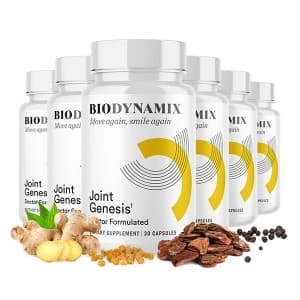
The presentation runs for well over thirty minutes and is narrated by a figure named Dr. Mark Wise, introduced as a physician, former US Army medical officer, and current Medical Research Director at Biodynamics. The product he presents; Joint Genesis, is a once-daily oral capsule built around a patented hyaluronic acid matrix ingredient called Mobilee, combined with French maritime pine bark extract, ginger root, Boswellia serrata, and BioPerine. The VSL positions the formula as the first supplement to address what it calls the "newly discovered root cause" of age-related joint pain: not wear and tear on cartilage, but the progressive depletion of hyaluronic acid from synovial fluid, which the script memorably brands as "joint jello." The branding is not trivial, it transforms an obscure biochemical molecule into a visceral, household concept that any viewer can picture losing.
What makes this VSL worth studying is not merely what it sells but how it sells. The letter operates as a layered persuasive architecture, part medical documentary, part personal redemption story, part investigative exposé of the pharmaceutical industry, and it deploys an unusually sophisticated stack of rhetorical mechanisms for a consumer health pitch. It is structured around a genuine scientific concept (hyaluronic acid in synovial fluid is indeed well-researched), amplified through selective citation, and wrapped in emotional storytelling tight enough to make a viewer forget they are watching a commercial. The question this piece investigates is straightforward: does the science behind Joint Genesis hold up under scrutiny, and does the marketing around it play fair with the evidence?
What Is Joint Genesis?
Joint Genesis is an oral dietary supplement manufactured by Biodynamics, a US-based health company, and sold primarily through a direct-response video sales letter (VSL) of the kind common in the health supplement market. The product comes in capsule form, one capsule per day, taken with water, and is positioned within the highly competitive joint-health subcategory of the broader nutraceutical market. Its market positioning is deliberately anti-establishment: rather than competing head-to-head with dominant ingredients like glucosamine and chondroitin, the VSL spends considerable time dismantling those ingredients as outdated and ineffective, clearing the field for a new mechanism. This is a textbook example of what copywriting tradition calls a "category reframe", the product does not enter an existing category so much as declare the existing category broken and propose a replacement.
The stated target user is an American adult aged roughly 50 to 80 experiencing joint pain in any of the major synovial joints. Knees, hips, ankles, back, neck, shoulders, elbows, wrists, or fingers. The VSL is careful to include both genders and a wide pain-severity range, explicitly noting the formula "can work for anyone, whether you're male or female, 39 or 99, experiencing mild, moderate, or severe pain." This inclusive framing serves a commercial purpose: it maximizes the addressable audience while simultaneously signaling that no one should self-exclude. The product is manufactured in an FDA-inspected, GMP-certified facility in the United States and is marketed as vegetarian, gluten-free, and free from common allergens and GMOs, details that appear near the end of the presentation as quality and trust signals.
The formula's commercial identity rests almost entirely on Mobilee, a patented ingredient described in the VSL as a high-molecular-weight hyaluronic acid matrix derived from rooster comb and produced in Barcelona, Spain. Mobilee is a real, commercially available ingredient with a published research record. An important distinction from many supplement VSLs where proprietary ingredients are invented for the occasion. The combination of Mobilee with French maritime pine bark extract is presented as unique to Joint Genesis and unavailable in any competing product, a claim that functions as both a differentiation argument and a barrier to comparison shopping.
The Problem It Targets
Joint pain is among the most prevalent chronic conditions affecting adults in the developed world. According to the CDC, an estimated 58.5 million Americans have been diagnosed with arthritis, and joint pain more broadly; including non-arthritic musculoskeletal discomfort, affects a substantially larger population. The economic burden runs into the hundreds of billions of dollars annually when medical costs, lost productivity, and reduced quality of life are accounted for. For the supplement industry, this represents a vast and emotionally motivated market: people in genuine pain who have often tried multiple treatments, experienced limited success, and are still actively searching for relief. The Joint Genesis VSL is calibrated for precisely this buyer, what direct-response marketers would call a "stage 4 or 5 awareness" customer who knows their problem intimately and has already been disappointed by at least one proposed solution.
The VSL frames the problem on two levels simultaneously. The first is physical: the loss of synovial fluid quality as hyaluronic acid depletes with age, leading to cartilage deterioration, inflammation, and the familiar cascade of pain and stiffness. The second, and rhetorically more powerful, is existential. The letter's extended case study of a patient named Sarah maps joint pain not just onto physical limitation but onto identity loss, spousal conflict, professional collapse, and depression. "Joint pain had robbed her of her business, her identity, and her independence," Dr. Wise narrates, and in doing so transforms a musculoskeletal complaint into a crisis of selfhood. This framing is deliberate and sophisticated: it elevates the perceived stakes of the purchase decision far above the cost of a supplement and into the territory of life reclamation.
The VSL also performs an important intellectual move by attacking the dominant explanatory model, the wear-and-tear theory, before proposing its replacement. It cites a Harvard-affiliated study by researcher Ian Wallace, who analyzed ancient skeletal remains and found that hunter-gatherer ancestors showed far less joint decay than modern humans, despite far greater physical activity. Harvard professor Daniel Lieberman is quoted as confirming that joint pain "is not caused by wear and tear." This is a genuine area of scientific debate: epidemiological and evolutionary research does suggest that modern sedentary lifestyles, diet, and environmental exposures may contribute to joint disease in ways that go beyond mechanical wear. The VSL uses this legitimate scientific nuance to build a convincing case for its preferred root cause, hyaluronic acid depletion. While presenting that conclusion with more certainty than the current literature strictly supports.
The deeper commercial opportunity the VSL is exploiting is what might be called therapeutic frustration: the large segment of the joint-pain population that has tried glucosamine, chondroitin, NSAIDs, or physical therapy and found inadequate relief. By citing real and legitimate criticisms of glucosamine and chondroitin. Drawing on actual Harvard-affiliated physicians' statements about their limited efficacy; the letter positions itself as the honest broker in a field full of false promises. Whether or not that self-description is warranted is a separate question, but the rhetorical architecture is sound.
Curious how other VSLs in this niche structure their pitch? Keep reading, the next sections break down both the mechanism claims and the psychology behind every persuasion move above.
How Joint Genesis Works
The central biological claim of the Joint Genesis VSL is that age-related joint deterioration is primarily driven by declining concentrations of hyaluronic acid (HA) in the synovial fluid, the viscous, lubricating liquid that fills the cavity of every major joint in the body. The VSL explains, accurately, that synovial fluid performs three critical functions: it lubricates and cushions cartilage surfaces, it delivers oxygen and nutrients to cartilage tissue (which lacks its own blood supply), and it acts as a protective barrier against inflammatory cytokines that would otherwise degrade cartilage. It further explains, again accurately, that hyaluronic acid is the molecule primarily responsible for synovial fluid's characteristic thickness and viscoelastic properties, and that each HA molecule can absorb up to 1,000 times its weight in water. These are well-established facts in joint physiology and are broadly consistent with the peer-reviewed literature.
The VSL then makes a specific quantitative claim sourced to a study published in Arthritis Research and Therapy: that humans lose approximately 2% of their hyaluronin stores per year after age 40, implying a 40% loss by age 60 and 80% loss by age 80. This figure is presented without the caveat that individual variation is substantial, that total-body HA turnover is extremely rapid under normal conditions, and that the relationship between serum or synovial HA levels and clinical joint outcomes is more complex than a simple linear depletion model suggests. The general concept, that synovial HA concentration decreases with age and that this contributes to joint dysfunction, is supported in the literature, including research published in journals such as Osteoarthritis and Cartilage. The precise percentage figures, however, should be treated as illustrative approximations rather than established population-level constants.
The proposed solution is oral supplementation with Mobilee, a patented ingredient consisting of high-molecular-weight hyaluronic acid combined with collagen and polysaccharides, standardized to 60% HA content. The claim that 80mg of Mobilee "multiplies hyaluronin levels in the joints by a factor of 10" is sourced to the ingredient's manufacturer-funded clinical studies. The mechanism by which oral HA reaches joint tissue, given that HA molecules are large and would theoretically be degraded during digestion, has historically been contested. More recent research, including studies cited in Nutrition Journal, suggests that oral HA may influence joint tissue through bioactive fragments that survive digestion and act on joint-lining cells (synoviocytes) to stimulate endogenous HA production, rather than through direct deposition. This distinction matters: the supplement may work through a different mechanism than the VSL's "replenishing" framing implies, but the functional outcome, increased HA in synovial fluid. Appears plausible based on available evidence. Calling the results "proven" overstates the scientific consensus; calling them "plausible and supported by early-stage clinical data" is the more honest characterization.
Key Ingredients and Components
The Joint Genesis formula is built around five active ingredients. The VSL describes the selection process as deliberate and research-driven, positioning the combination. Particularly the pairing of Mobilee with French maritime pine bark; as a proprietary synergy unavailable elsewhere. Two introductory points are worth making before the individual components: first, all five ingredients have genuine published research behind them, which is not universally true in the supplement category; second, the quality of that research varies considerably, ranging from well-replicated randomized controlled trials to smaller manufacturer-funded studies whose independence is less certain.
Mobilee (patented hyaluronic acid matrix, 80mg): Mobilee is produced by Bioibérica S.A.U. in Barcelona, Spain, and consists of high-molecular-weight HA, collagen, and polysaccharides. The VSL cites 14 randomized, placebo-controlled, double-blind clinical studies supporting its efficacy at 80mg per day, including a study published in Clinical Nutrition Supplements reporting progressive pain reduction over six months. Independent reviews of oral HA supplementation, including a 2016 meta-analysis in Scientific Reports, have found statistically significant improvements in knee pain scores, though effect sizes are moderate and most studies involve relatively small sample sizes. The 1,000% hyaluronin increase claim derives from Bioibérica's own research and should be interpreted within that context.
French Maritime Pine Bark Extract (Pycnogenol-class): Derived from Pinus pinaster trees along the southwest coast of France, this extract is rich in proanthocyanidins, potent antioxidant compounds. Multiple independent studies have examined its effects on osteoarthritis, including a three-month randomized controlled trial published in Phytotherapy Research (Belcaro et al., 2008) that found significant reductions in pain and stiffness compared to placebo. The VSL's claim that its antioxidants distribute directly into synovial fluid is sourced to a study in Nutrients and, if confirmed, would represent a meaningful mechanistic advantage. The combination with Boswellia showing enhanced effects is supported by a study published in Phytomedicine.
Ginger Root Extract: Ginger (Zingiber officinale) contains gingerols and shogaols with documented anti-inflammatory and analgesic properties. A Cochrane-adjacent systematic review and several randomized trials have found modest but statistically significant reductions in knee pain from ginger supplementation, though effect sizes are generally smaller than for pharmaceutical comparators. It is a well-tolerated addition to a joint formula.
Boswellia Serrata Extract: Derived from the resin of the Indian frankincense tree, Boswellia serrata contains boswellic acids that inhibit 5-lipoxygenase, an enzyme involved in leukotriene-mediated inflammation, a distinct anti-inflammatory pathway from most NSAIDs. A randomized, double-blind, placebo-controlled trial published in Phytomedicine (Kimmatkar et al., 2003) found significant improvements in knee pain, stiffness, and physical function. Its inclusion in the Joint Genesis formula is scientifically defensible and adds complementary anti-inflammatory coverage.
BioPerine (patented black pepper extract, Piper nigrum): BioPerine is a standardized piperine extract produced by Sabinsa Corporation. Its primary documented function is enhancing the bioavailability of co-administered nutrients and compounds by inhibiting certain metabolic enzymes and intestinal transport mechanisms. Multiple studies have demonstrated BioPerine's ability to increase absorption of curcumin, selenium, and other compounds by 20-2000%, depending on the molecule. Its inclusion as a "systemic bioavailability enhancer" is one of the more scientifically sound choices in the formula.
Hooks and Ad Angles
The VSL opens with what is arguably its single most powerful rhetorical device: a direct visual and conceptual comparison between American joint deterioration and Japanese joint health, delivered in the first fifteen seconds before the speaker is even introduced. The specific line, "this is a joint of the average American senior experiencing pain... and this is a joint of the average senior from a tiny remote village in Japan experiencing no pain", functions as a contrarian frame layered over a curiosity gap. It doesn't open with the product, the pain, or even the solution. It opens with an anomaly: a group of people who have apparently defeated the condition the viewer is suffering from. This is a Eugene Schwartz Stage 4 market sophistication move, a buyer who has seen every direct pitch for glucosamine, every promise of "fast relief," will tune it out immediately. But a credible anomaly, rooted in a real location with a real population, earns attention because it implies the existence of a mechanism the buyer hasn't encountered yet.
The Yuzurihara framing also performs a second function: it provides exotic authority without requiring institutional credentials. The Japanese mountain village is real and has been referenced in media coverage (including ABC News, as the VSL notes), which lends the hook a veneer of journalistic legitimacy that a straightforward product pitch would lack. By the time Dr. Mark Wise introduces himself roughly five minutes into the presentation, the viewer has already been primed by the village story to trust that a genuine discovery is about to be revealed. The pivot from anomaly to mechanism, from "why don't these villagers have joint pain?" to "because of joint jello" to "because of hyaluronin", is a well-constructed epiphany bridge that makes the audience feel they are arriving at a conclusion through their own reasoning rather than being sold to.
Secondary hooks observed in the VSL:
- "A breakthrough Harvard study of two ancient skeletons has changed everything we thought we knew about age-related joint decay"
- "Why taking this popular joint pain pill for just one week could increase your risk of a heart attack by 50%"
- "The shocking truth about glucosamine and chondroitin. And why you should never take these ingredients ever again"
- "100% of participants reported either significant or life-changing improvement by the end of the trial"
- "This simple joint jello trick has already helped thousands of US seniors reclaim the joint comfort of their 20s and 30s"
Ad headline variations for Meta or YouTube testing:
- "Harvard Research Reveals the Real Cause of Joint Pain (It's Not Wear and Tear)"
- "Japanese Villagers in Their 90s Farm 8 Hours a Day. Scientists Finally Know Why"
- "Your Joints Are Losing This One Molecule Starting at Age 30. Here's How to Get It Back."
- "The Ingredient Shown to Multiply Joint Fluid by 10x; Why Your Doctor Never Mentioned It"
- "Glucosamine Failed You. This Harvard-Backed Alternative Might Not."
Psychological Triggers and Persuasion Tactics
The overall persuasive architecture of the Joint Genesis VSL is more sophisticated than most supplement pitches in its category. Rather than stacking social proof and urgency in the conventional direct-response sequence, the letter first invests heavily in epistemic authority, the work of convincing the viewer that the speaker understands the biology better than any prior source they have consulted. This is a deliberate sequencing choice: if the mechanism explanation is credible, every subsequent claim about the product inherits that credibility. The persuasion structure follows a Problem-Agitate-Solution-Proof-Offer arc, but the "Agitate" phase is unusually extended, running for roughly fifteen minutes through the Sarah case study and the dismantling of glucosamine/chondroitin before any product is named. This extended agitation serves to deepen emotional investment and lower the viewer's critical defenses before the solution is introduced.
The compound effect of the VSL's tactics is worth naming explicitly: it is not that any single element is unusually manipulative, but that authority, loss aversion, identity threat, social proof, false scarcity, and risk reversal are deployed in a stacked, sequential manner rather than in parallel, each one building on the emotional and cognitive groundwork laid by the one before it.
Authority stacking (Cialdini, Influence, 1984): Harvard, Brigham and Women's Hospital, Beth Israel Deaconess, the British Medical Journal, the US Army, and the University of Kansas are invoked in rapid succession during the first third of the VSL. This institutional pile-up functions as borrowed authority, the institutions are real, the citations are selectively but not always inaccurately deployed, but the cumulative effect is to make the viewer feel that the entire scientific establishment is behind this product.
Loss aversion amplification (Kahneman & Tversky, Prospect Theory, 1979): The extended description of Sarah's deterioration, from knee stiffness while changing a diaper, to marital conflict, to business abandonment, to suicidal-level despair, is a clinical exercise in loss aversion. The viewer is not shown what they might gain so much as made to feel acutely what they are already losing and will continue to lose without intervention.
Epiphany bridge / new mechanism (Russell Brunson; Schwartz Stage 4 sophistication): The hyaluronin depletion narrative is presented as a discovery the viewer is making alongside Dr. Wise, not a claim being made at them. This participatory framing, where the buyer "arrives" at the conclusion rather than being told it, is the defining feature of the VSL's structure and its most effective persuasion mechanism.
False enemy framing (Godin's tribes; adversarial copywriting tradition): Big Pharma is named explicitly as a $78 billion entity determined to suppress this information. Glucosamine and chondroitin manufacturers are implicitly cast as peddlers of debunked science. This enemy framing creates in-group identity: the viewer who stays to watch is someone who is willing to hear the truth that the establishment doesn't want them to know.
Social proof stacking (Cialdini): The VSL layers three distinct categories of social proof, individual video-style testimonials, a detailed narrative case study (Sarah), and an internal clinical trial claiming 100% improvement rates among 189 participants. The third category deserves scrutiny: a 100% success rate in a six-month trial is an extraordinary claim that would, if independently verified, represent a landmark result in clinical medicine. It is not presented with any independent verification.
Artificial scarcity (Cialdini's Scarcity principle): The "250 spots only" framing, combined with ingredient supply constraints and the Big Pharma suppression threat, creates a manufactured time pressure designed to prevent the deliberation that might lead a viewer to research competing products or consult a physician.
Risk reversal via extreme guarantee (Jay Abraham's risk reversal framework; Thaler's endowment effect): The six-month empty-bottle money-back guarantee is genuinely unusual in its generosity and functions to neutralize the most common objection to supplement purchases. By framing the payment as a "refundable deposit," the VSL removes the perceived financial risk of the transaction entirely, which, combined with urgency, makes the decision to purchase feel both safe and time-sensitive simultaneously.
Want to see how these persuasion tactics compare across 50+ VSLs in the health and wellness space? That's exactly what Intel Services is built to show you.
Scientific and Authority Signals
The Joint Genesis VSL makes more serious attempts at scientific legitimacy than is typical in the supplement category, and several of its citations check out. The study by Daniel Lieberman and colleagues on ancient skeletal joint health is real; Lieberman is a genuine Harvard professor of human evolutionary biology who has published extensively on physical activity and musculoskeletal disease, and his work does challenge simplistic wear-and-tear framings of joint degeneration. The citations of Dr. Aliprantis and Dr. Shmerling from Harvard-affiliated hospitals regarding glucosamine and chondroitin reflect positions those physicians have actually expressed in published commentary and media. The British Medical Journal NSAIDs cardiac risk finding is grounded in real research. A 2017 BMJ study by Bally et al. did find elevated short-term cardiac risk associated with NSAID use.
Where the authority signaling becomes more complicated is in the direct attribution of institutional endorsement to Biodynamics or Joint Genesis specifically. None of the Harvard-affiliated researchers or institutions cited are endorsing the product. They are cited for statements about joint physiology or competing ingredients that the VSL then leverages to build the case for its own formulation. This is a form of borrowed authority: real credentials, real statements, assembled in a way that implies institutional backing that was never granted. A careful viewer will notice that every citation establishes a negative (glucosamine doesn't work; wear and tear isn't the cause; NSAIDs are dangerous) rather than a positive endorsement of Joint Genesis itself.
The Mobilee research record is more directly relevant to the product. Bioibérica, the Spanish ingredient manufacturer, has sponsored multiple randomized controlled trials, and several have been published in indexed journals including Clinical Nutrition Supplements and Nutrients. Independent systematic reviews of oral hyaluronic acid supplementation (including work by Tashiro et al. published in Nutrition Journal, 2012) have found statistically significant benefits for knee pain and function, though authors consistently note the need for larger independent trials. The claimed 1,000% increase in joint hyaluronin concentration is a manufacturer-generated figure from Mobilee's own trial data; it is not independently replicated. The French maritime pine bark evidence base, including the Belcaro et al. trials, is somewhat more independently established, though much of it involves Pycnogenol specifically rather than generic pine bark extract, and not all pine bark products are equivalent.
Dr. Mark Wise's credentials as presented; University of Kansas School of Medicine, rural hospital Chief of Staff, Wounded Warrior Clinic at Fort Knox, and Walter Reed PTSD screening program, are specific enough to be either verifiable or deliberately unverifiable. No external verification of these credentials is provided in the VSL. His current role as "Medical Research Director at Biodynamics" means his financial interest in the product's success should be weighed when evaluating his stated conclusions.
The Offer, Pricing, and Risk Reversal
The pricing architecture in the Joint Genesis VSL follows a well-established direct-response pattern: establish an anchor so high it makes the real price feel like a gift, then layer in multi-bottle bundles, bonuses, and a guarantee to maximize average order value. The anchor is constructed in two steps: first, raw ingredient costs for a 30-day supply are estimated at $350; then, a single bottle retail price is placed at "double that, at least", effectively $700. Neither figure is independently verifiable, and the ingredient cost estimate in particular is a rhetorical construction rather than a transparent accounting. The actual selling prices are not stated verbatim in the transcript, which is a deliberate technique: the viewer is told they will be "pleasantly surprised, maybe even shocked" by the discounts available below, which redirects attention to the order page rather than allowing rational price comparison within the VSL itself.
The multi-bottle structure, one, three, or six-month supplies, is both a commercial optimization and a mechanistic argument. The VSL makes the case, grounded in the Mobilee clinical study design, that continuous use over six months produces progressively improving results. This is not implausible given the study data, and it is also a highly effective strategy for increasing customer lifetime value through front-loaded bulk purchases. The two free digital bonuses (17 Joint Supporting Smoothies and Youthful Joints for Life) are stacked exclusively onto the three- and six-bottle options, creating a perceived value asymmetry that nudges buyers toward the larger, higher-margin packages. Free shipping on larger orders serves the same function.
The six-month empty-bottle money-back guarantee is structurally the most consequential element of the offer. In a category where consumer trust is low and purchase anxiety is high, an unconditional money-back guarantee that explicitly covers fully consumed product removes the primary cognitive barrier to purchase. Whether this guarantee is as accessible in practice as it is in the script, whether refund requests are processed smoothly, whether customer service is responsive, is a question the VSL cannot answer and that prospective buyers should investigate through independent review platforms before committing to a multi-bottle order.
Who This Is For (and Who It Isn't)
The ideal buyer for Joint Genesis, as constructed by the VSL, is an American adult in their late 50s to mid-70s, more likely female than male, given the higher prevalence of osteoarthritis and joint-related disability in older women. Who has been experiencing joint pain for at least several years, has tried glucosamine or chondroitin without notable benefit, and has either experienced side effects from NSAIDs or been advised to reduce their reliance on them. Psychographically, this person values natural health solutions, distrusts pharmaceutical companies to some degree, and is motivated less by vanity than by the desire to maintain functional independence. To continue gardening, playing with grandchildren, managing a home, or pursuing a craft or hobby. The Sarah narrative is written to mirror this avatar precisely, which is why it lands with such emotional force: it describes not a worst-case scenario but a recognizable trajectory.
The pitch is also designed for someone who responds to authority; who feels reassured by institutional credentials, clinical study references, and manufacturing quality signals, even when those signals are presented selectively. A buyer who is inclined to independently verify every citation before purchasing is not the primary target, and the VSL's structure actively discourages that deliberation through urgency and emotional immersion.
There are several categories of buyer for whom this product is probably not the right starting point. Individuals with severe, structurally documented joint damage, confirmed bone-on-bone articulation on imaging, significant cartilage loss measurable on MRI, are unlikely to achieve the dramatic outcomes depicted in the testimonials from a supplement alone, and the VSL's implicit suggestion that Joint Genesis can address such advanced conditions should be treated with appropriate skepticism. Anyone currently taking anticoagulants, immunosuppressants, or complex medication regimens should consult a physician before adding any new supplement stack, including this one. And anyone whose joint pain may have an inflammatory autoimmune origin (rheumatoid arthritis, psoriatic arthritis, ankylosing spondylitis) is dealing with a pathophysiology for which the synovial HA model is an incomplete explanation, and for whom Biodynamics is not the right clinical partner.
Still evaluating whether Joint Genesis fits your situation? The FAQ section below answers the most common questions researchers bring to this product.
Frequently Asked Questions
Q: Does Joint Genesis really work for joint pain?
A: The core ingredient, Mobilee (a patented hyaluronic acid matrix), has been studied in multiple randomized, placebo-controlled trials and the published data does show statistically significant improvements in pain, stiffness, and physical function for people with age-related joint discomfort. French maritime pine bark extract also has a credible independent research record. Whether Joint Genesis specifically produces the dramatic results depicted in the VSL, including the 100% success rate, cannot be verified independently. Realistic expectations for a well-formulated HA supplement fall closer to meaningful-but-moderate relief, particularly for mild-to-moderate joint discomfort.
Q: Is Joint Genesis a scam?
A: The product is not a fabrication, it contains real, researched ingredients manufactured in a GMP-certified facility, and the primary ingredient (Mobilee) has a published clinical record. However, several elements of the marketing are exaggerated or unverifiable: the 100% clinical trial success rate, the specific percentage loss figures for hyaluronin, and the framing of the product as uniquely "suppressed" by Big Pharma are rhetorical constructions rather than documented facts. Buyers should approach the marketing claims critically while recognizing that the underlying formulation has a legitimate scientific basis.
Q: What are the ingredients in Joint Genesis?
A: The formula contains five active ingredients: Mobilee (patented high-molecular-weight hyaluronic acid matrix, 80mg), French maritime pine bark extract, ginger root extract, Boswellia serrata extract, and BioPerine (patented black pepper extract for absorption enhancement). The product is vegetarian, gluten-free, and free from common allergens and GMOs.
Q: Are there any side effects of Joint Genesis?
A: The VSL does not discuss side effects directly, which is itself a marketing choice worth noting. Oral hyaluronic acid and the other ingredients in the formula are generally well-tolerated in published clinical studies, with no significant adverse events reported at the tested dosages. Ginger and Boswellia can occasionally cause mild gastrointestinal discomfort in sensitive individuals. BioPerine (piperine) may interact with certain medications by affecting drug metabolism. Anyone on prescription medications should consult a healthcare provider before starting any new supplement.
Q: Is Joint Genesis safe for seniors?
A: Based on published safety data for its individual ingredients, the formula appears appropriate for most older adults. Mobilee trials specifically enrolled participants in the senior age range without safety concerns. That said, "safe for most" is not the same as "safe for all", anyone with complex medical histories, compromised kidney or liver function, or significant polypharmacy should seek professional guidance before adding any supplement regimen.
Q: How long does it take for Joint Genesis to work?
A: The Mobilee clinical study cited in the VSL reported noticeable improvements beginning as early as month one, with results continuing to improve through the full six-month trial period. This timeline is consistent with the general literature on oral HA supplementation, which suggests that meaningful benefit accumulates over weeks to months rather than days. The VSL's emphasis on the six-bottle option is partly driven by this evidence. Longer use does appear to correlate with greater benefit in the available studies.
Q: What is Mobilee and does it actually increase hyaluronic acid in joints?
A: Mobilee is a patented ingredient produced by Bioibérica S.A.U. in Spain, consisting of high-molecular-weight hyaluronic acid combined with collagen and polysaccharides. The VSL's claim of a 1,000% increase in joint hyaluronin is sourced to Bioibérica's own clinical studies. The mechanism appears to involve both direct action and stimulation of endogenous HA production by synoviocytes. Independent meta-analyses of oral HA supplementation, including a 2016 review in Scientific Reports, have found significant improvements in knee pain outcomes, supporting the plausibility of the mechanism even if the specific percentage figure should be treated with caution.
Q: Does Joint Genesis have a money-back guarantee?
A: The VSL describes a six-month, empty-bottle, 100% money-back guarantee with no questions asked. According to the pitch, refunds are available even if all bottles have been fully consumed, contactable by phone or email with details on the packaging. This is a more generous guarantee structure than most supplement brands offer. Independent verification of how smoothly refunds are processed in practice is advisable. Searching customer review platforms for refund-related feedback is a reasonable due-diligence step before purchasing a multi-bottle supply.
Final Take
The Joint Genesis VSL is one of the more carefully constructed pitches in the joint-health supplement space, and its quality reveals something important about where this market currently sits. The buyers it is targeting are not credulous first-time supplement purchasers; they are people who have already spent money on glucosamine and chondroitin, who have read the negative studies, who have perhaps taken ibuprofen for years and felt the side effects. The VSL's investment in debunking prior solutions before proposing a new one is a direct response to this sophistication level, and it works because it aligns with something true: glucosamine and chondroitin do have a weak evidence base, NSAIDs do carry real cardiovascular risks, and hyaluronic acid in synovial fluid is a genuinely important subject of current joint health research. The letter succeeds partly by being more honest about the failures of existing treatments than most of its competitors dare to be.
What the VSL does less honestly is present its own evidence with equal rigor. A 100% success rate in an internal, uncontrolled trial is not a scientific finding, it is a marketing claim. The dramatic quantitative depletion figures for hyaluronin with age, the 1,000% replenishment claim for Mobilee, and the suggestion that Big Pharma is actively suppressing this formula are all rhetorical amplifications of a more modest but genuine underlying story: that oral high-molecular-weight hyaluronic acid supplementation, combined with anti-inflammatory botanicals, represents a plausible and reasonably well-studied approach to mild-to-moderate age-related joint discomfort. That is a meaningful product claim. It did not need to be inflated to be credible, and the inflation is where the VSL loses its intellectual integrity.
For the prospective buyer, the practical takeaway is this: if you are experiencing mild-to-moderate joint discomfort, have not previously tried oral hyaluronic acid supplementation, and are not relying on the supplement as a substitute for medical evaluation of a potentially serious condition, the formulation has a reasonable scientific basis and a generous guarantee structure that genuinely limits financial risk. The six-month guarantee is not theatrical, it does provide a meaningful safety net. What should be treated skeptically are the extreme outcome claims, the urgency mechanics, and the implicit suggestion that Joint Genesis alone can reverse decades of structural joint damage in a matter of weeks.
The deeper story this VSL tells about its category is that the joint-health supplement market has matured past the era when "contains glucosamine" was sufficient positioning. Buyers now want mechanism explanations, clinical citations, and root-cause narratives, and they can smell a thin pitch. The Joint Genesis VSL is the market's adaptation to that demand: a pitch designed to feel like a research briefing, dense enough with legitimate science to earn sustained attention, and built on a genuine ingredient with a real evidence record. Whether it fully delivers on its promises is, as with most supplements, a matter the individual buyer will resolve for themselves over those six months.
This breakdown is part of Intel Services, our ongoing library of VSL and ad-copy analyses. If you're researching similar products or want to understand how supplement marketing works at a structural level, keep reading.
Disclaimer: This article is for research and educational purposes only. It is not medical, legal, or financial advice, and it is not affiliated with the product or its makers. Always consult a qualified professional before making health or financial decisions.
Source-backed reader context
Additional Reported Experience
These statements were presented in the product's sales transcript. Daily Intel did not independently verify the speakers, purchase status, or reported outcomes, and the statements are not used in Product aggregateRating.
Patient Sarah (case study)
Date not stated
returned to baking wedding cakes, ran up stairs pain-free — her 'Independence Day
Comments(0)
No comments yet. Members, start the conversation below.
Related reads
 reviews
Jocko Greens Review: Does One Scoop Match the Evidence?
Jocko Greens is a one-scoop powder with approximately 30 calories and 9 billion colony-forming units of probiotics per serving. Jocko Fuel also confirms ashwagandha extract and makes a digestive-support claim. The harder question is whether the available research matches this specific formula. It does not match closely enough to establish a finished-product outcome.
Read reviews
NooCube Review: Does the 250 mg Bacopa Dose Match the Research?
NooCube is one of the few nootropics that prints a milligram number next to an ingredient instead of hiding it in a blend. This review takes that one number, 250 mg Bacopa monnieri, and checks it against a real trial that used 300 mg in a very different population, then shows exactly where the comparison breaks down.
Read reviews
Olly Goodbye Stress Review: Label Claims vs. Evidence
OLLY Goodbye Stress combines GABA, L-theanine, and lemon balm extract in a Berry Verbena gummy aimed at occasional stress, not sleep. Here's what the label discloses, what a real L-theanine trial found, and exactly where the evidence stops.
Read